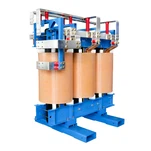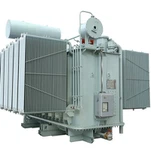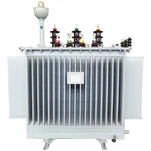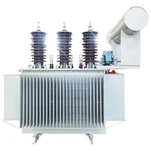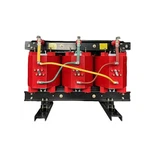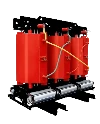


A pad-mounted transformer is a type of electrical transformer that is installed on a concrete pad at ground level. It is enclosed in a locked, weatherproof steel cabinet and is commonly used in residential, commercial, and light industrial areas where underground electrical distribution is used.
Here's what's typically inside a pad-mounted transformer:
1. Core and Coil Assembly
- Core: Made of laminated steel, it provides a path for the magnetic flux.
- Coils: Copper or aluminum windings wrapped around the core, used to step voltage up or down.
2. Insulating Fluid (Mineral Oil or FR3)
- Cools the transformer and provides electrical insulation.
- Some are filled with biodegradable or fire-resistant fluids.
3. High-Voltage (Primary) Bushings
- Connects incoming high-voltage underground cables to the transformer.
- Typically rated for 15kV, 25kV, or 35kV systems.
4. Low-Voltage (Secondary) Bushings
- Connects the transformer to the load (e.g., buildings or homes).
- Often 120/240V, 208Y/120V, 480V, or similar.
5. Tap Changer (Optional)
- Allows small voltage adjustments on the primary winding to maintain proper output voltage.
6. Fusing
- Bayonet Fuse: External or internal, protects the transformer from overloads.
- ELSP Fuse (Elastimold): Protects from internal faults.
7. Pressure Relief Valve
- Releases pressure buildup due to internal faults or overheating.
8. Grounding System
Ensures safety and helps dissipate fault currents.
9. Cooling Fins or Radiators (sometimes)
- Helps dissipate heat, although many pad-mounted transformers are sealed and rely on oil circulation.