


Pad Mounted Transformer
Why Choose Us
Quality products
We offer high-quality power transmission and transformation equipment that meets international standards and customer specifications.
Cost-effective
Our products are competitively priced. We employ an efficient manufacturing process that reduces production costs and enhances customer value.
Professional team
Our team of engineers, technicians, and sales personnel has over ten years of experience in the manufacturing and supply of power transmission and transformation equipment.
Customer-focused
We prioritize customer satisfaction. We work closely with our customers to understand their requirements and provide tailor-made solutions to meet their needs.
What Is Pad Mounted Transformer?
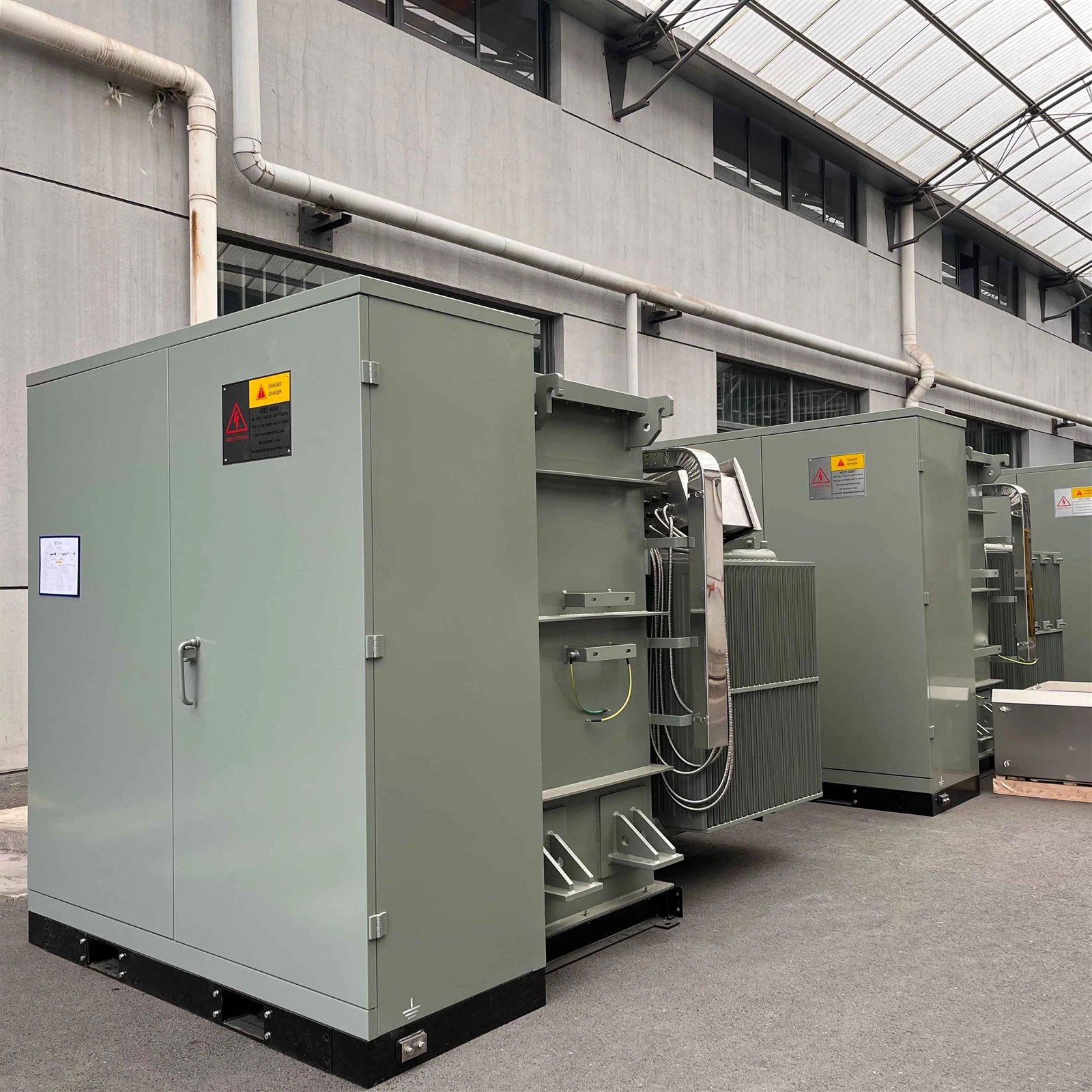
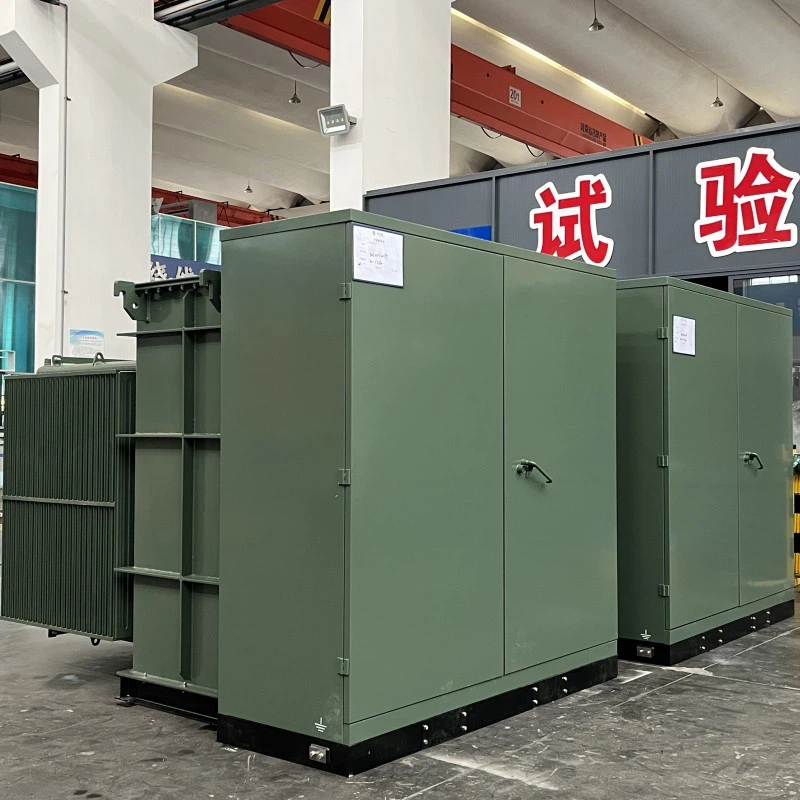
A pad mounted transformer is an outdoor electrical component that is used to transform the voltage of electricity from a higher voltage to a lower voltage, or vice versa. They are typically located on a concrete pad or other durable surface and are designed to withstand exposure to the elements. These transformers are commonly used in residential and commercial areas to distribute power from the electric grid to homes and businesses. Pad mounted transformers are composed of a transformer core, insulating material, coils, and protection devices. They are also equipped with fuses or circuit breakers to protect against overloads or short circuits.
-
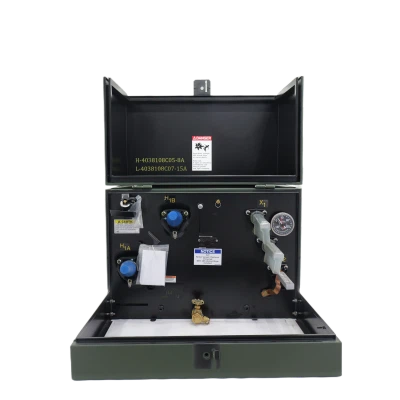 Single Phase Pad Mounted TransformerSingle Phase Pad Mounted Transformer (SPMVT) is a type of transformer that is designed to be installed on a concrete pad or small platform at ground level. This type of transformer is commonly usedAdd to Inquiry
 -
 Three Phase Pad Mounted TransformerSpecifications:. Base Rating: 45-12000 kVA. Primary Voltage: 2.4-46 KV. Secondary Voltage: 208Y/120 V to 24940 V. . Description:. Ryan three-phase pad mounted transformer fully complies with ULAdd to Inquiry


- Tel: +86-513-88781828
- Fax: +86-513-88837088
- Email: Ryancustomerinquiry@redq.cc
- Add: No.229, Huanghai West Road, Haian City, Jiangsu Province, China.
Space-saving design
Pad mounted transformers are designed to be compact and efficient, making them a great option for areas with limited available space. They require no additional structures like poles or buildings to be installed.
Underground installation
Unlike overhead transformers, pad mounted transformers can be installed underground, providing a safer and more discreet solution for power distribution. This also means they are less susceptible to environmental damage.
Higher safety standards
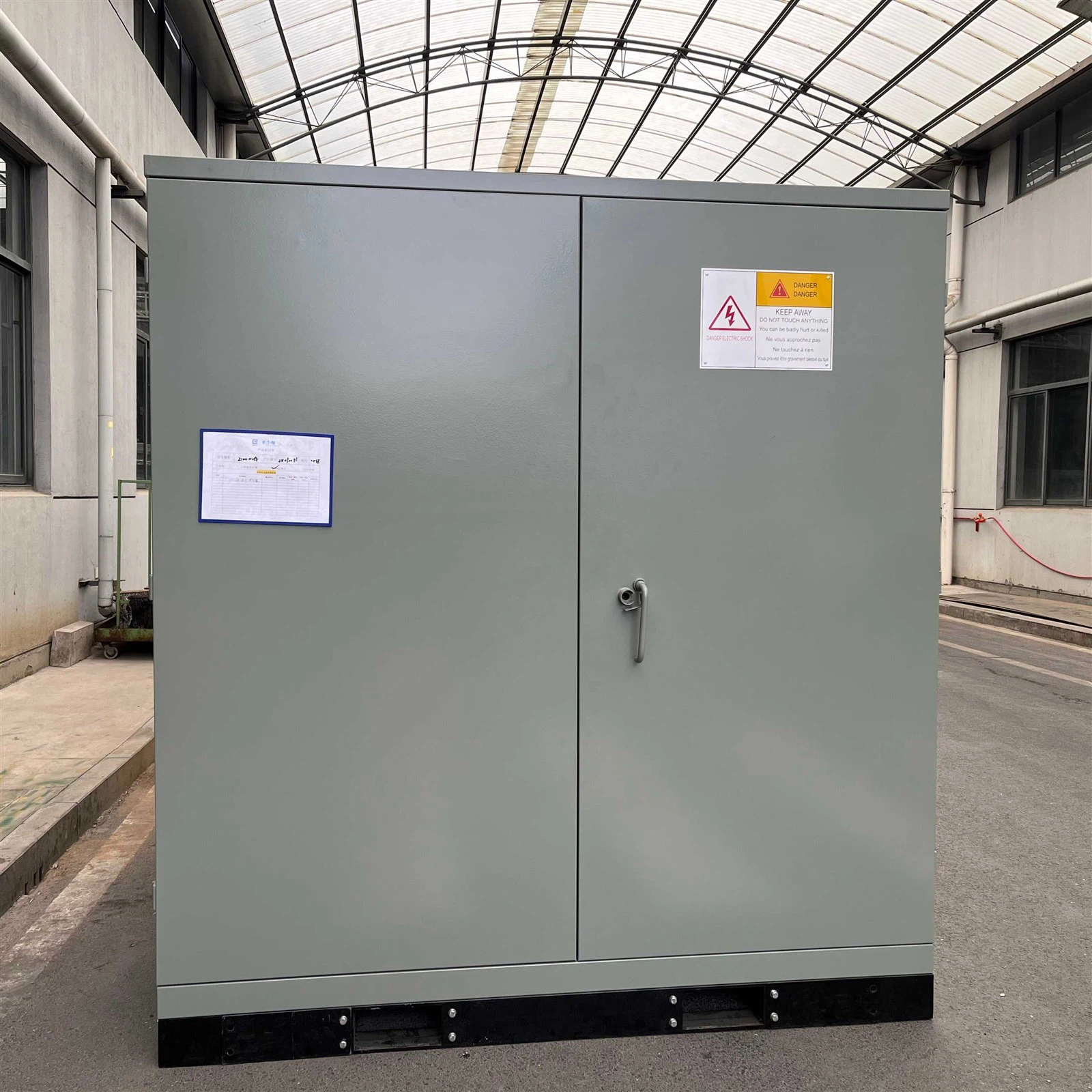
Pad mounted transformers are designed to be tamper-proof and secure. They are enclosed in a metal box, so there is no risk of accidental contact with live parts.
Better aesthetics
Pad mounted transformers generally blend in well with their surroundings, making them a better option for residential neighborhoods and areas with strict zoning restrictions.
Enhanced power quality
Pad mounted transformers offer a high level of voltage regulation, ensuring consistent power supply. This results in improved system efficiency and reduced downtime.
Reduced maintenance costs
Pad mounted transformers have a closed design, which means that they require less maintenance than overhead transformers. This can lead to significant cost savings over time.
Improved reliability
Pad mounted transformers are designed to be robust and durable, with a long service life. This makes them a reliable choice for power distribution in both urban and rural areas.
Factors to Consider When Selecting a Pad Mounted Transformer
Power requirements
One of the primary factors to consider when selecting a Pad Mounted Transformer is the power requirements of your application. This includes the required voltage and current levels, as well as the frequency of the ac power source. Transformers are designed to convert ac power from one voltage level to another, and choosing the right transformer with the appropriate power rating is essential for ensuring that your equipment operates correctly.
Efficiency
Efficiency is another crucial factor to consider when selecting a transformer. A more efficient transformer will convert more of the input power into the desired output power, resulting in less energy waste and reduced operating costs. The efficiency of a transformer can be affected by factors such as the quality of the core materials, the design of the windings, and the type of cooling used.
Load characteristics
The load characteristics of your application will also affect the selection of the transformer. This includes the type of load (inductive, capacitive, or resistive), the level of harmonics, and the overall power factor of the load. Different types of loads require different types of transformers, and selecting the wrong transformer can result in reduced efficiency, increased heat, and potential damage to the equipment.
Environmental conditions
The environmental conditions in which the transformer will operate are also an essential consideration. Transformers can generate heat, and the ambient temperature of the environment can affect their performance. In addition, transformers can be affected by humidity, dust, and other environmental factors. Transformers that will be used in harsh environments such as outdoors or in industrial settings may require additional protection or special designs to ensure optimal performance.
Type of Pad Mounted Transformer
Pad Mounted Transformers come in different types, including step-up transformers, step-down transformers, isolation transformers, autotransformers, and more. Each type of transformer has its own unique characteristics and advantages, and selecting the right type of transformer is essential for ensuring that your equipment operates correctly.
Size and weight
The size and weight of the transformer are also essential factors to consider when selecting a Pad Mounted Transformer. The size of the transformer will depend on the amount of power it needs to handle, and the weight of the transformer will depend on the type of core materials used. It is important to ensure that the transformer you select is appropriately sized and can be easily installed in your application.
Because current transformers are devices that can handle high voltage, it is vitally important that there are a series of safety measures to be followed when direct handling is necessary, all with the aim of avoiding accidents.
● Perform a pre-installation inspection and check for a burning smell or any damaged or misplaced parts.
● Keep the current input disconnected when working with transformers.
● Always wear the appropriate protective equipment and carefully observe the voltage output indication of the equipment.
● Make sure you know the maximum voltage of your transformers.
● Remember also that multiple transformers help balance the load.
● Always keep small metal objects like nuts and bolts away from your transformers.
● Make sure your transformer is grounded to avoid static electricity.
● Always keep your transformers and components protected from contact with water or other liquids.
Pad Mounted Transformer Safety
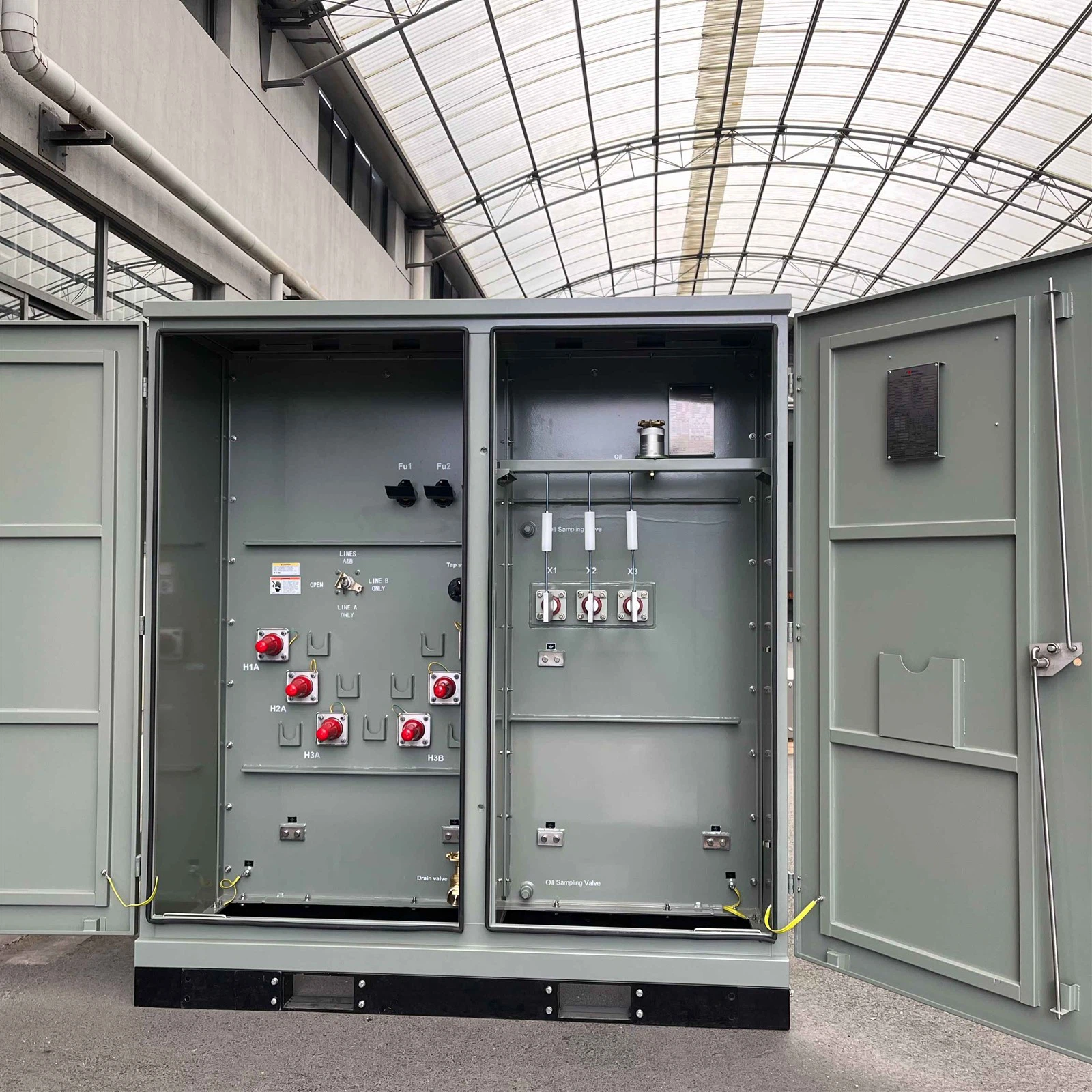
Pad mounted transformers, those big green utility boxes commonly seen around town, serve the purpose of lowering high voltage to standard household voltage used to power electronics, appliances and lighting. These transformers are not protected in the way overhead lines and substations are. Though they may appear safe to use as workbenches and climbing obstacles, electrical equipment can still pose a risk to anyone who may come in contact with it. Members should always use caution and keep a safe distance.
In many newer subdivisions and residential developments pad mounted transformers are more common – and in many cases are located on consumer property. These transformers are connected to primary high voltage lines, and secondary lines can extend from the transform in several directions underground. Remember this before planting shrubs or trees, setting fence posts, installing sprinkler systems or digging anywhere near a transformer.
From an economic perspective, transformer efficiency is important because it directly affects the cost of electricity. The higher the transformer efficiency, the lower the cost of electricity. This is because less energy is lost in heat so that the transformer can generate more power with the same input energy. Transformer efficiency is crucial from a technical perspective since it affects the overall performance of the electrical system.
A more efficient transformer will result in less heat loss, which means the transformer can operate for a longer period without needing to be replaced or serviced. In addition, a more efficient transformer will generate less noise, which can be important in sensitive applications.
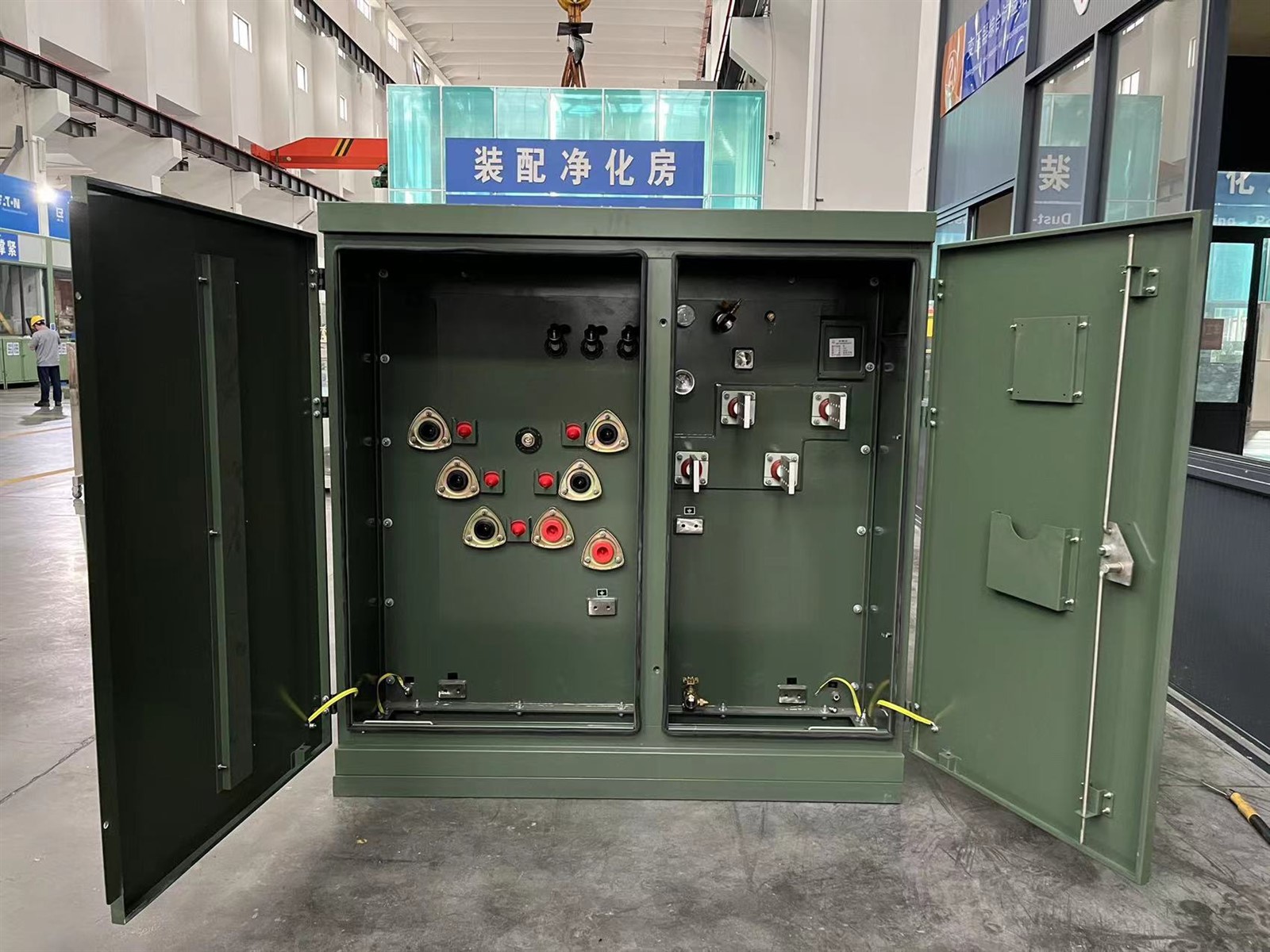
Windings: Pad Mounted Transformer
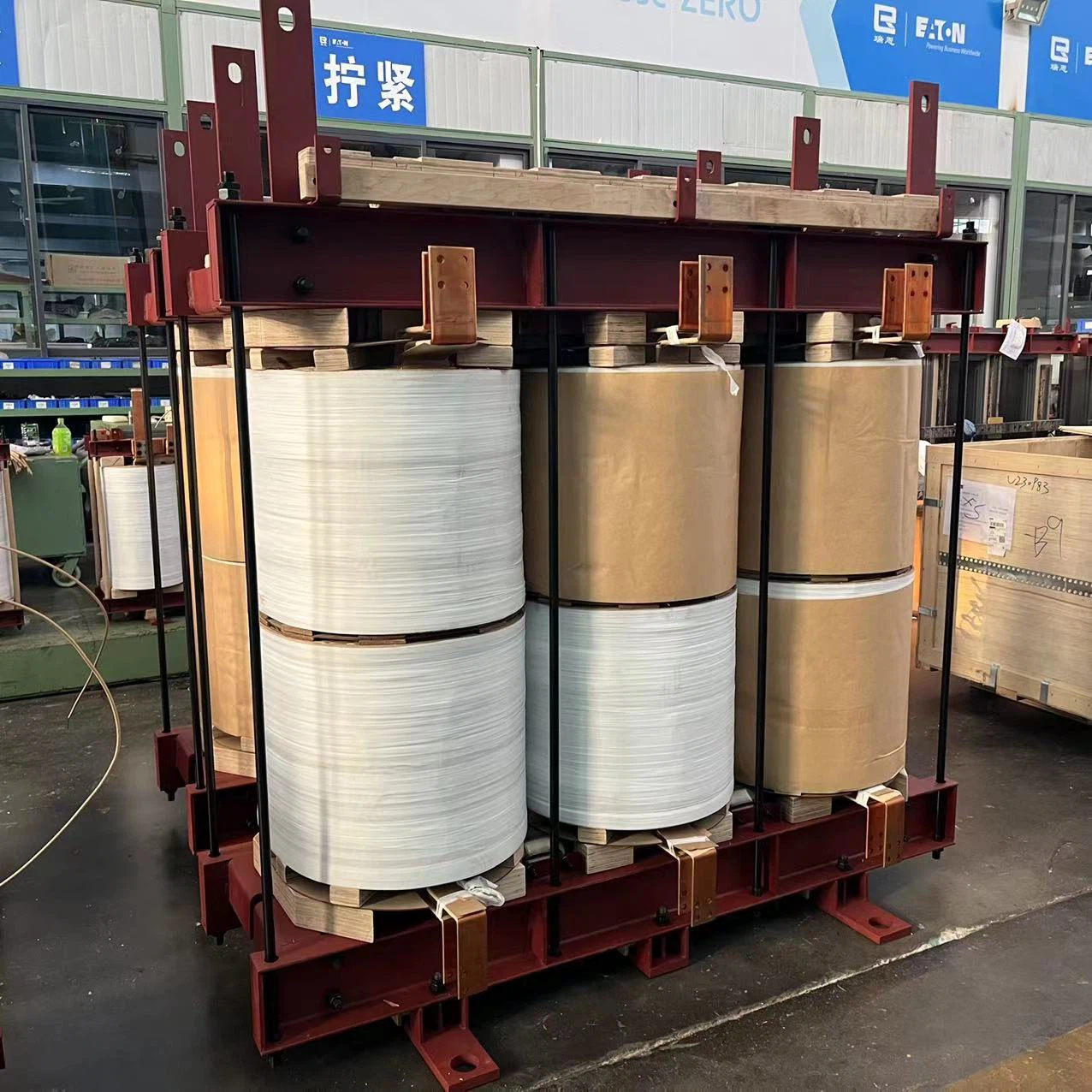
All pad mounted transformers have windings, but they can come in different materials. They can come in aluminum or copper. While copper is a better conductor in general, aluminum windings are held to the same standard as copper windings per the latest doe regulations. The downfalls of aluminum are made up for when transformers are built. That means that they will have very similar energy losses. When comparing winding material for pad mounted transformers, the biggest problem we are having, is the cost and lead time for copper windings. Copper windings are in high demand, that effects the price and lead time of them. So, pad mounted transformers with copper windings are more expensive and typically have a higher lead time than that of a unit with aluminum.
How Are Pad Mounted Transformers Installed?
There are several steps involved in installing a pad mounted transformer
Site preparation
The first step is to prepare the site where the transformer will be installed. This involves clearing the area of any vegetation or debris and leveling the ground.
Base construction
A concrete base is constructed at the bottom of the hole. The base must be strong enough to support the weight of the transformer.
Excavation
The next step involves digging a hole where the transformer will be placed. The size of the hole will depend on the size of the transformer. The hole must be deep enough to accommodate the transformer and provide enough room for proper ventilation.
Transformer placement
The transformer is then lowered into the hole and positioned on top of the concrete base. The transformer must be level and stable.
Conduit installation
Conduits are installed to connect the transformer to the electrical system. These conduits are buried underground and provide a path for electrical wiring and cables.
Electrical connection
The final step is to connect the transformer to the electrical system. This involves connecting the cables and wiring to the transformer and testing the electrical system to ensure everything is working properly.
Pad mounted transformers are technically designed to be safe for the community when installed and maintained properly. They undergo rigorous testing and adhere to safety standards to ensure their reliable and secure operation. This design minimizes the risk of accidental contact with live electrical parts, making them safer for the community.
To ensure safety, it is important for utility companies to regularly inspect and maintain pad mounted transformers to minimize any potential risks to the community. Adequate safety measures should also be put in place to prevent accidents or tampering with the equipment. Overall, pad mounted transformers should be safe for the community if they are installed and maintained properly.
How Can I Stay Safe Around Pad Mounted Transformers?
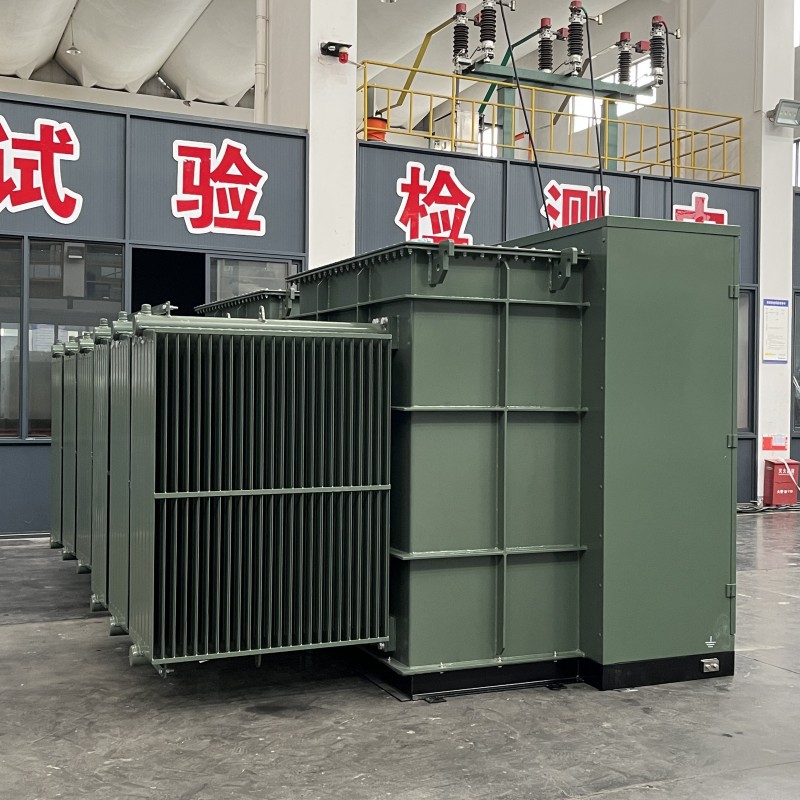
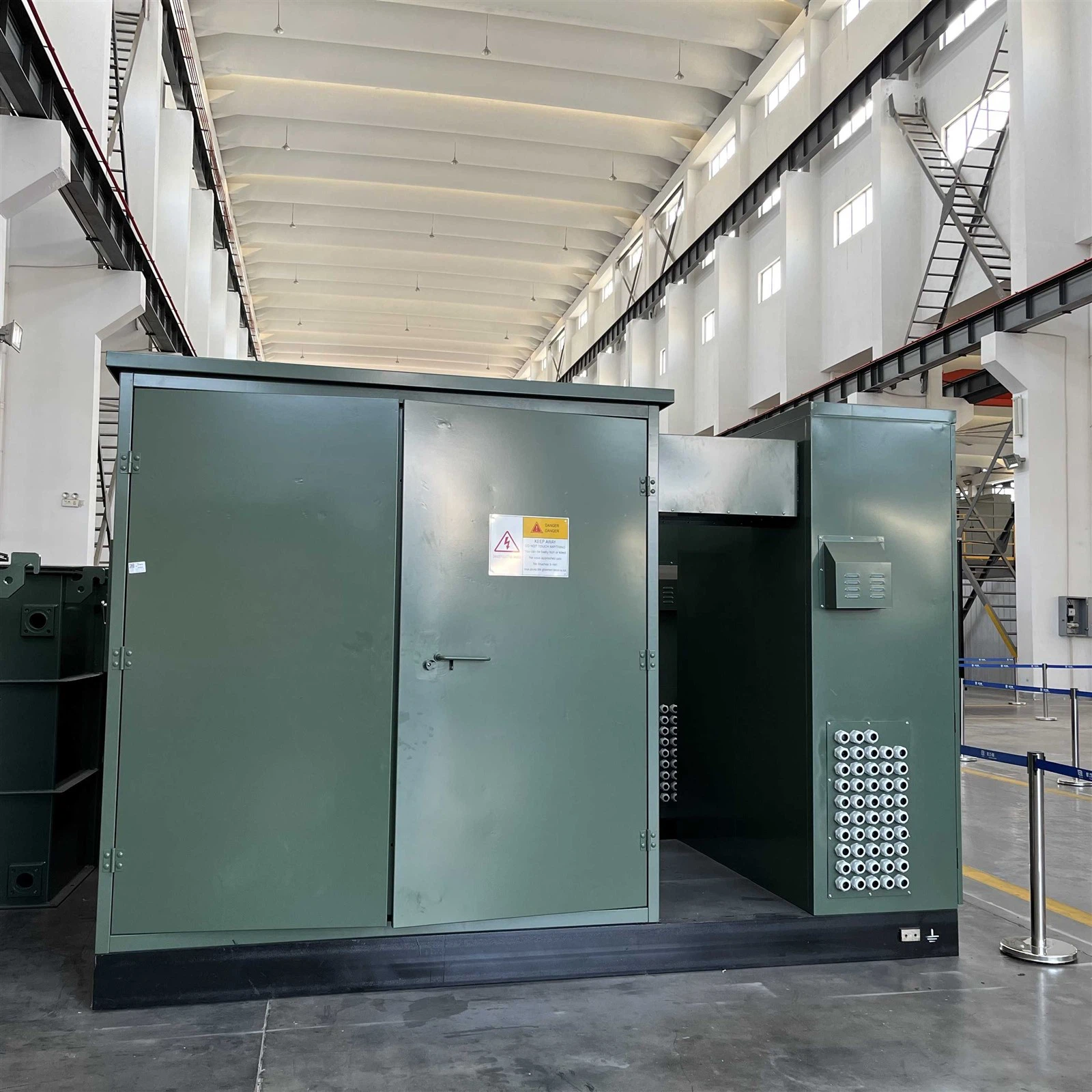
Pad mounted transformers are locked and marked as dangerous. These big green boxes should never be used as benches. Kids should not play on or near them. Landscaping should not be planted around these boxes since power linemen may need to access them safely and easily, and any roots could interfere with underground wires. Never dig anywhere near a pad-mounted transformer. It is just as important for people to be safe around underground power lines and pad-mounted transformers as it is to be safe around overhead power lines.Do not climb on or around the transformer, climbing on or around a pad mounted transformer can be very dangerous and is never advise.
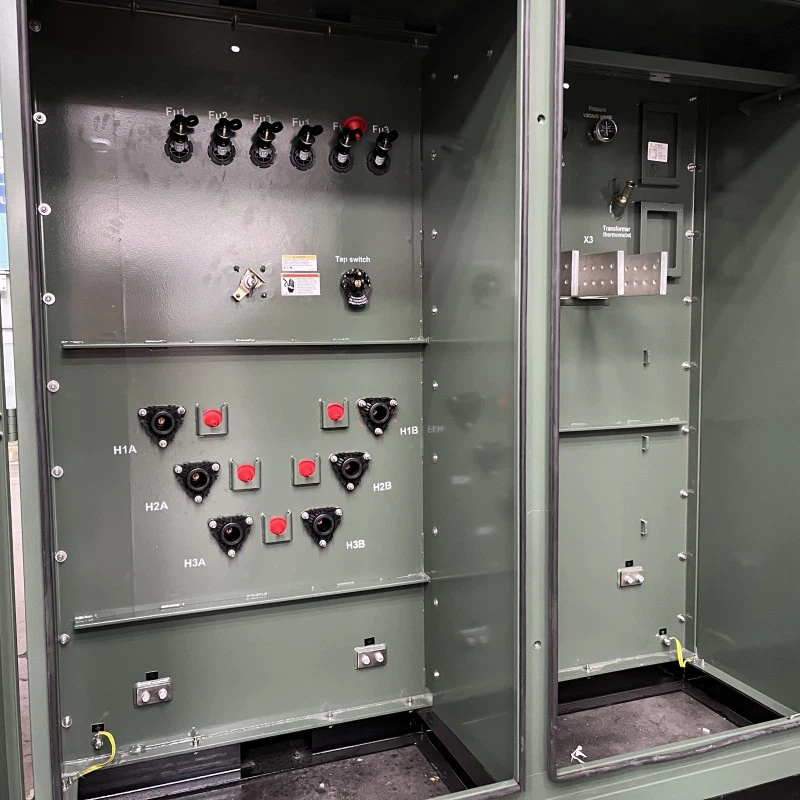
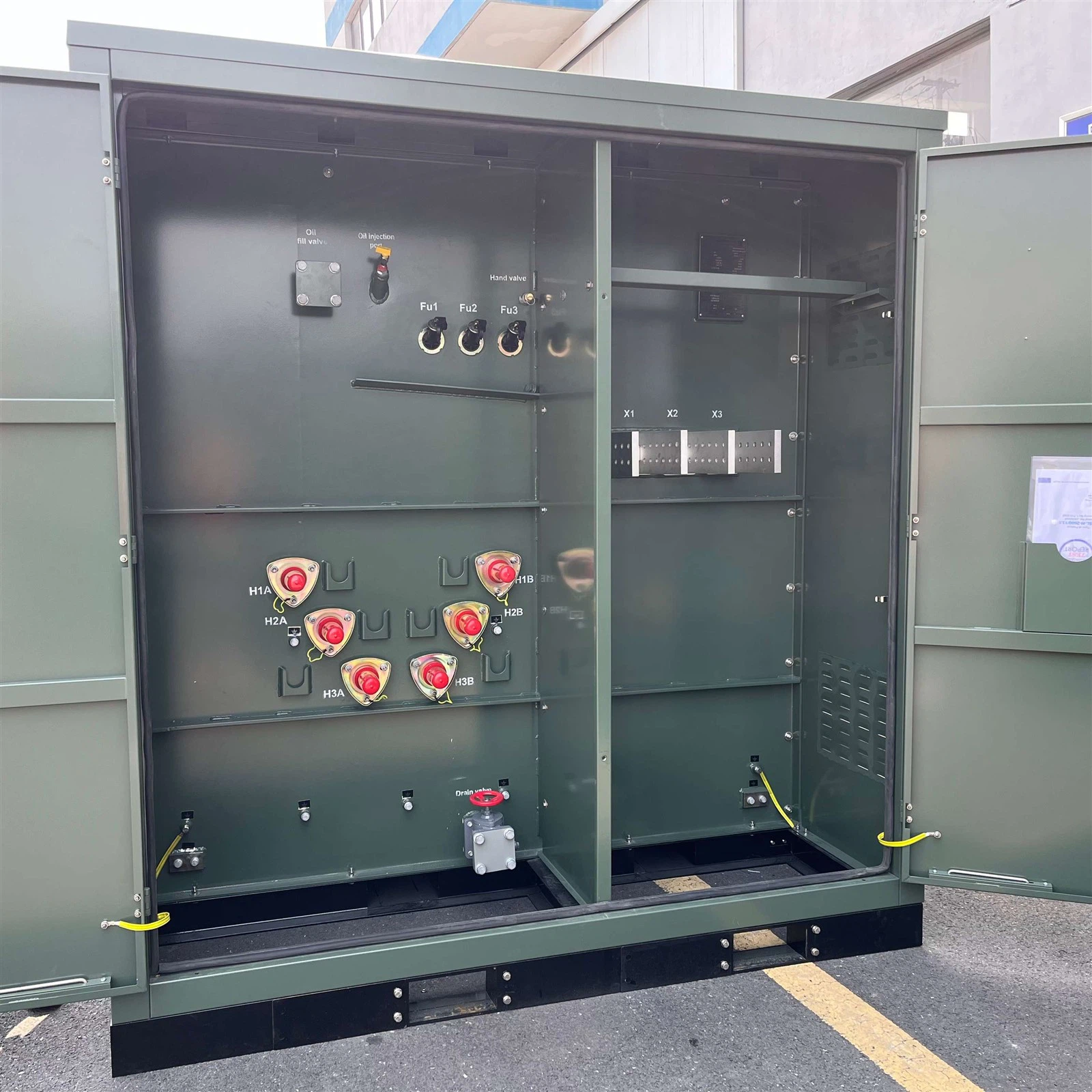
High-voltage bushings: These are insulated devices that allow high-voltage connections to be made to the transformer.
Transformer core: This is the central part of the transformer that consists of a laminated iron core designed to provide a path for the magnetic flux.
Windings: The transformer windings are made up of insulated copper conductors that are wound around the transformer core to provide the necessary voltage transformation.
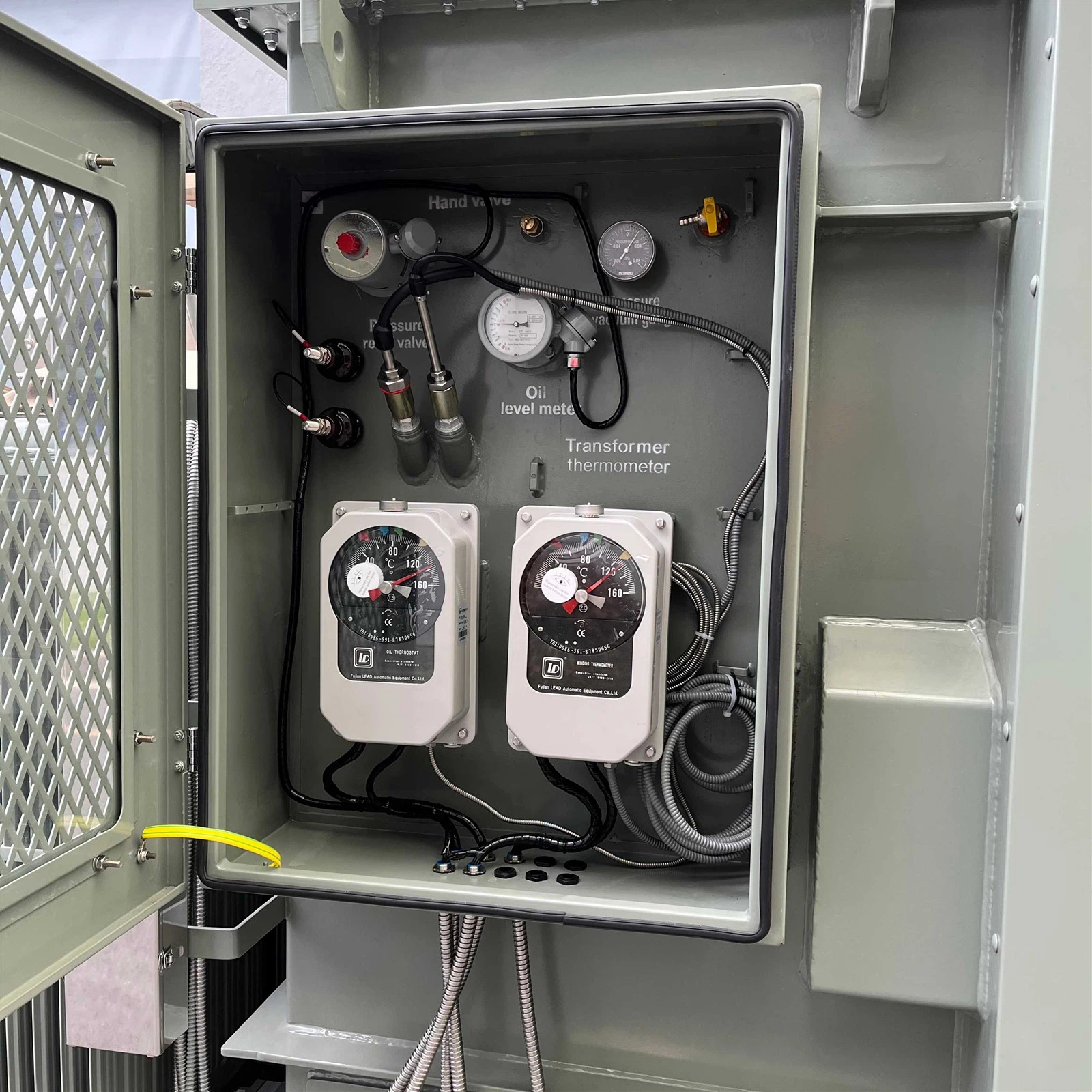
Tap changer: This is an adjustable device that allows the transformer's output voltage to be varied by changing the number of turns in the transformer winding.
Insulation: The transformer is filled with a suitable insulating fluid, such as mineral oil, to provide electrical insulation and cooling.
Protection and control equipment: This may include circuit breakers, fuses, and relays that protect the transformer and the distribution system from overloads and faults.
Low-voltage bushings: These are insulated devices that allow low-voltage connections to be made to the transformer.
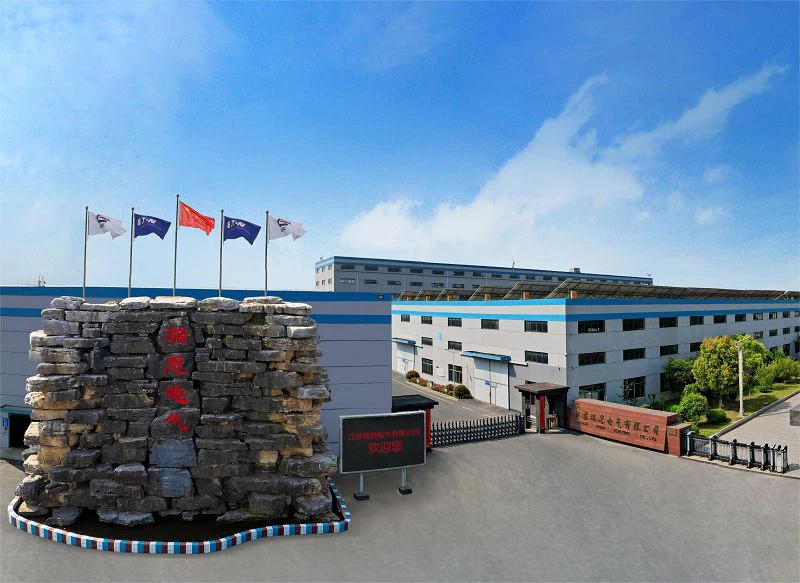
Our Factory
Established in 2007,Jiangsu Ryan Electric Co., Ltd is a new high-tech enterprise specialized in manufacturing electric transmission and transformation equipment and has over 20 series products including cast resin dry-type series transformers (Specification:10kV, 20kV, 35kV and 110kV), oil-immersed transformers (Specification:10kV, 20kV, 35kV,66kV and 110kV), pad mounted series transformers (ANSI pad-mounted transformer and IEC prefabricated transformer) and complete sets of high and low voltage electrical switch control equipment (KYN61-40.5,KYN28-12, HXGN, MNS and GGD).
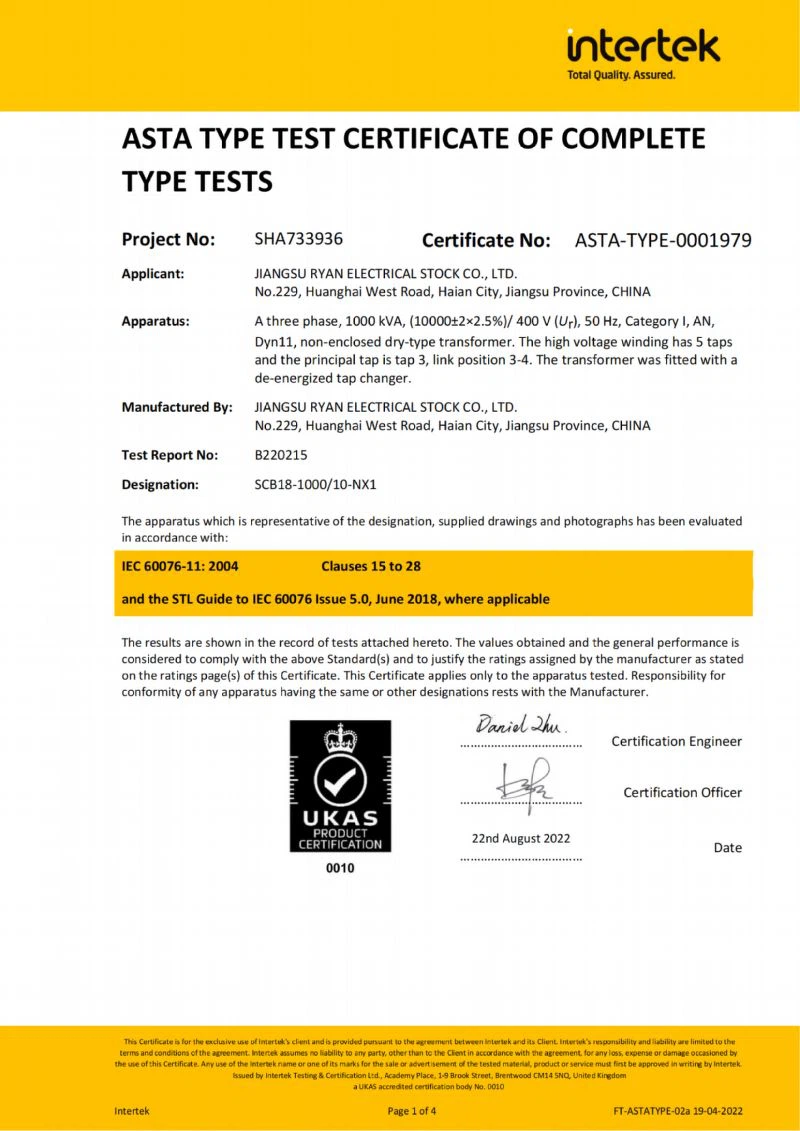
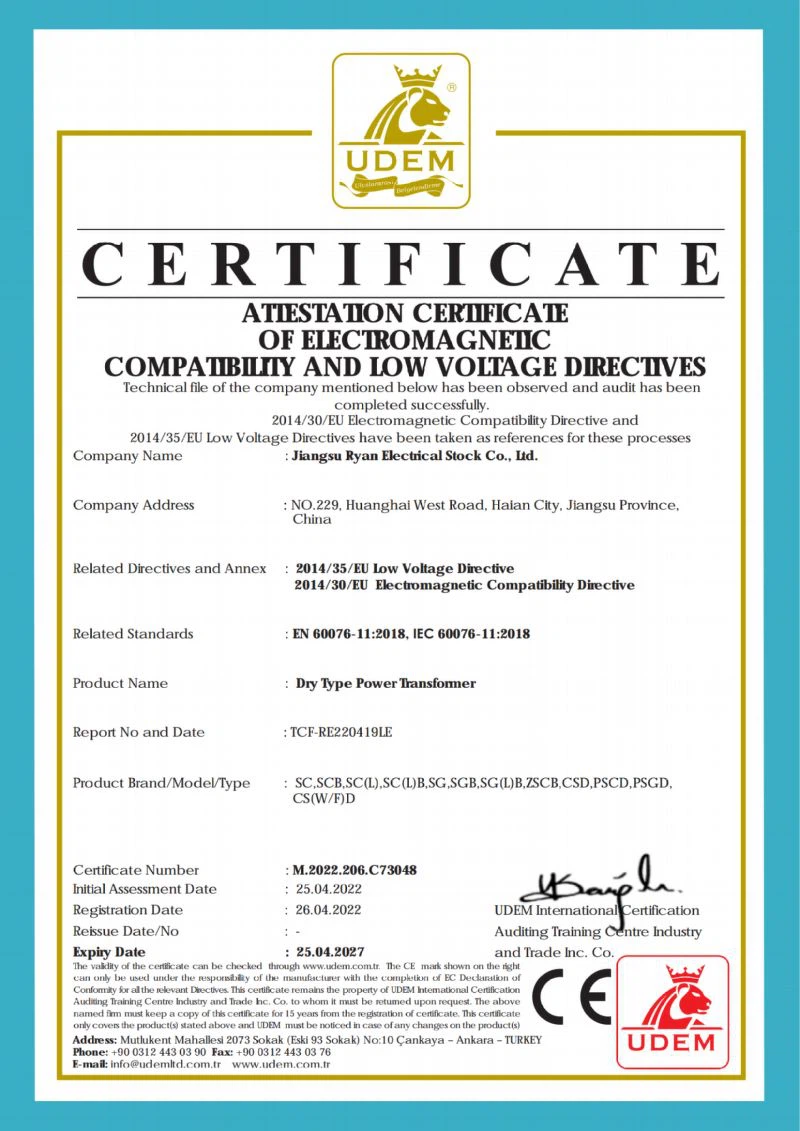
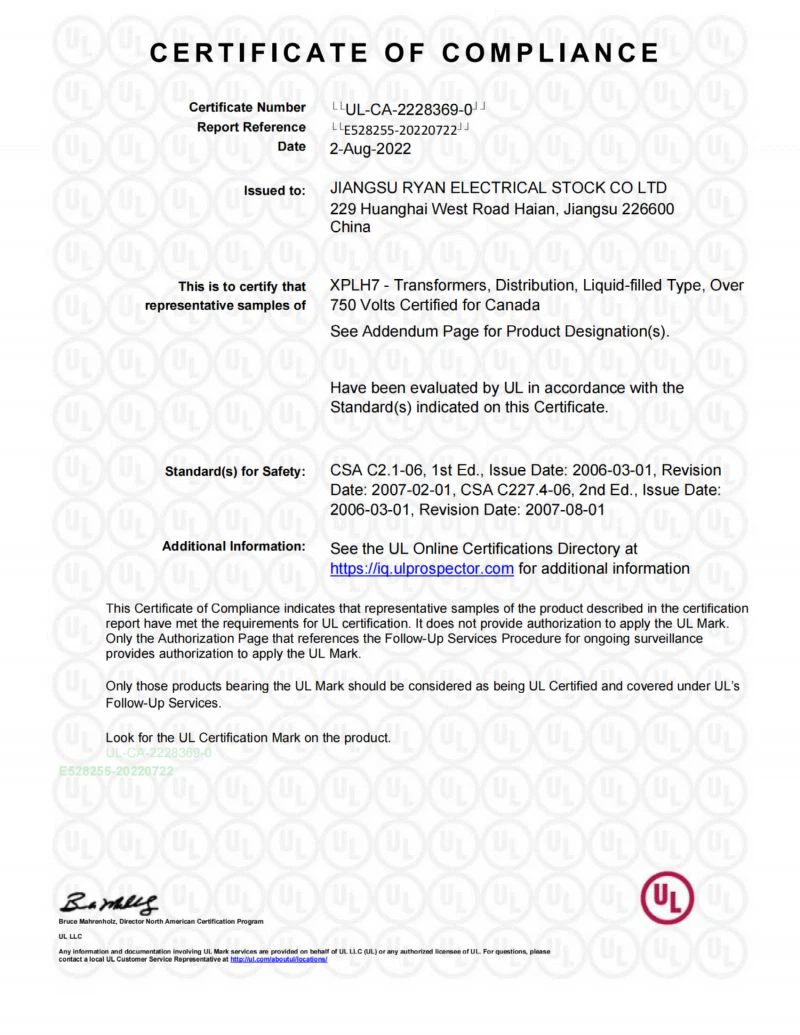
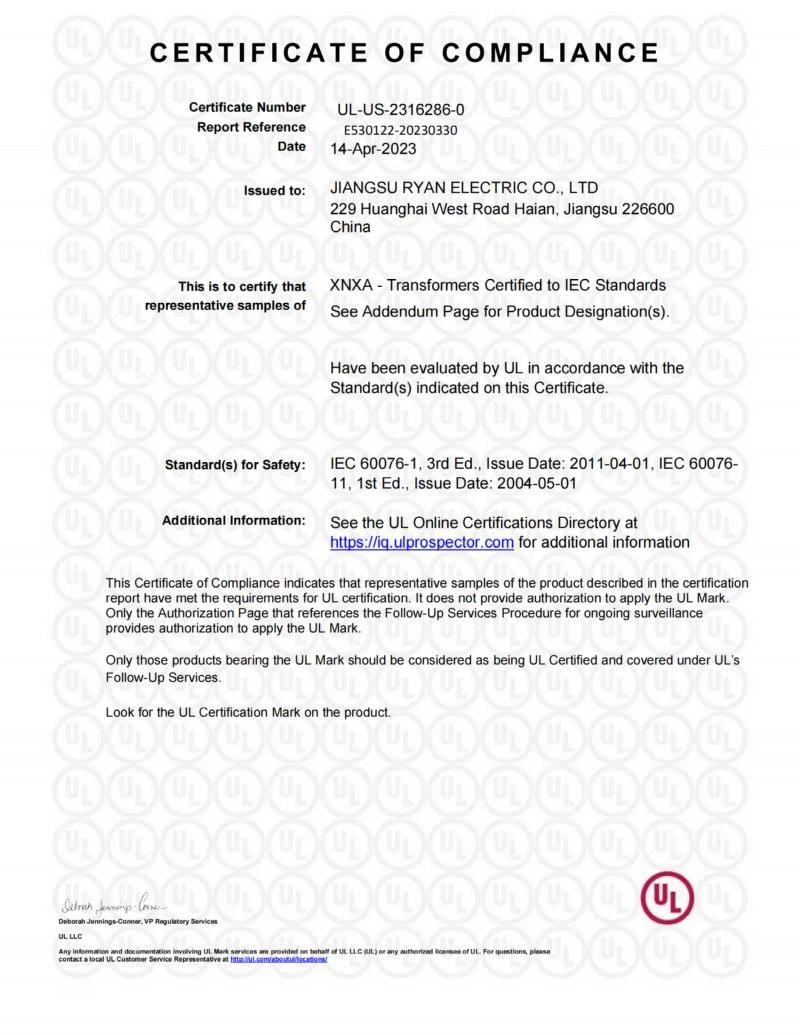
Our Certificate
FAQ
As one of the most professional pad mounted transformer manufacturers and suppliers in China, we're featured by quality products and good service. Please rest assured to buy customized pad mounted transformer from our factory.
Three Phase Pad Mounted Transformer, Pad Mounted Transformer, single phase dry type transformer