


Dry Type Transformer
Why Choose Us
Quality products
We offer high-quality power transmission and transformation equipment that meets international standards and customer specifications.
Cost-effective
Our products are competitively priced. We employ an efficient manufacturing process that reduces production costs and enhances customer value.
Professional team
Our team of engineers, technicians, and sales personnel has over ten years of experience in the manufacturing and supply of power transmission and transformation equipment.
Customer-focused
We prioritize customer satisfaction. We work closely with our customers to understand their requirements and provide tailor-made solutions to meet their needs.
What Is Dry Type Transformer?
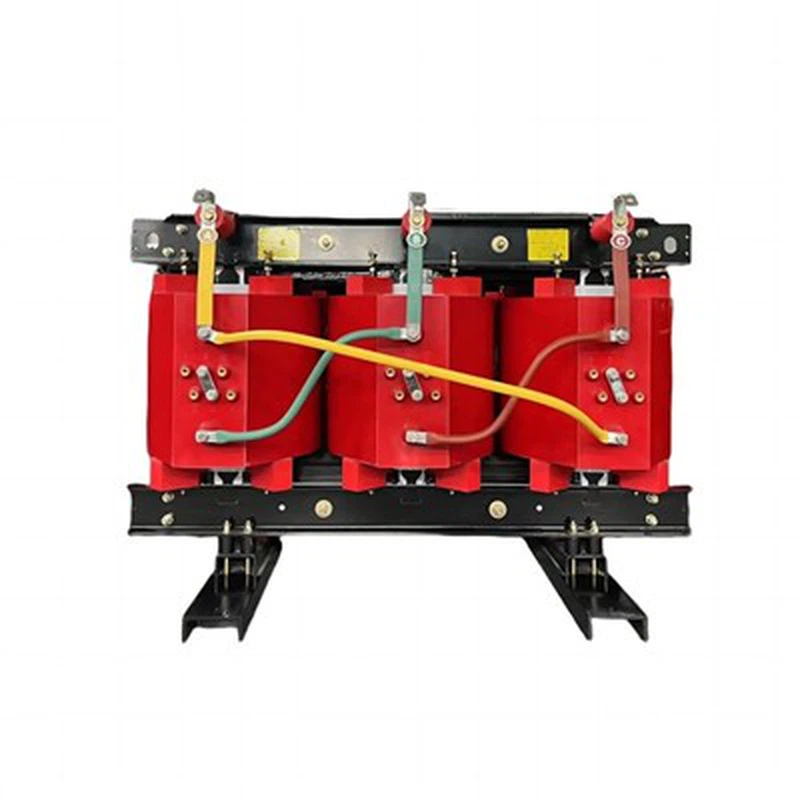
A dry type transformer is a transformer that does not use any liquid or oil as a coolant or insulator. Instead, it relies on air to cool and insulate its windings. Dry type transformers are typically used in environments where the use of oil-filled transformers is not practical or safe, such as in buildings, tunnels, and other confined spaces. They are also preferred in environments where the risk of fire is high, due to their ability to self-extinguish in the event of a fire. Dry type transformers are typically more expensive than oil-filled transformers, but they require less maintenance and have a longer lifespan.
-
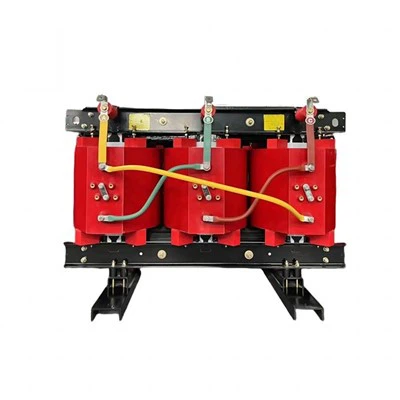 SC(B) SERIES · CAST RESIN·10KV 10kV Cast Resin Dry Type T...50 kVA to 40 MVA· Primary voltage 4.16 kV – 15 kV· Secondary 110 V – 600 VUL/CE/DEKRA/ASTA/IEC/IEEE/DOE certifiedAdd to Inquiry
 -
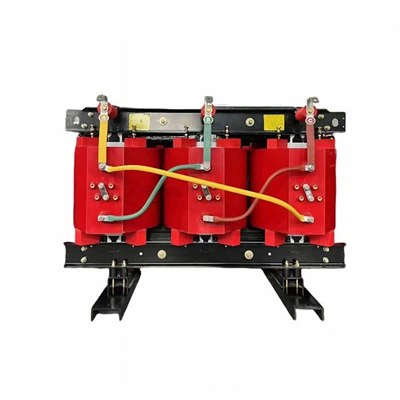 Dry Type TransformersWhy Choose Us Quality products We offer high-quality power transmission and transformation equipment that meets international standards and customer specifications. Cost-effective Our products areAdd to Inquiry
 -
Dry Type TransformersDry-type transformers are typically used in indoor applications where it is necessary to minimize the risk of fire or environmental contamination. They are commonly found in commercial buildings,Add to Inquiry
-
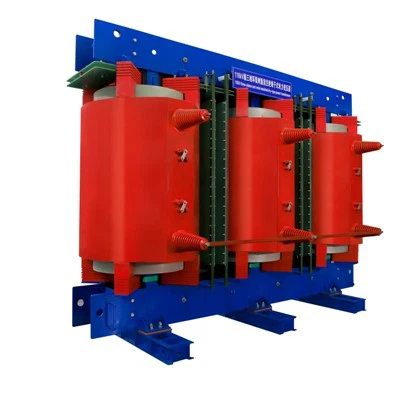 Cast Resin Dry Type TransformerSpecifications:. Primary Voltage Ratings: 6-13.2/20-24/35-38.5 or others. Secondary Voltage Ratings: 0.2-0.6kv or orther. H.V. TAP RANGE: ±2×2.5%. CONNECTION TYPE: Dyn11 Yyn0. . Description:. As anAdd to Inquiry
 -
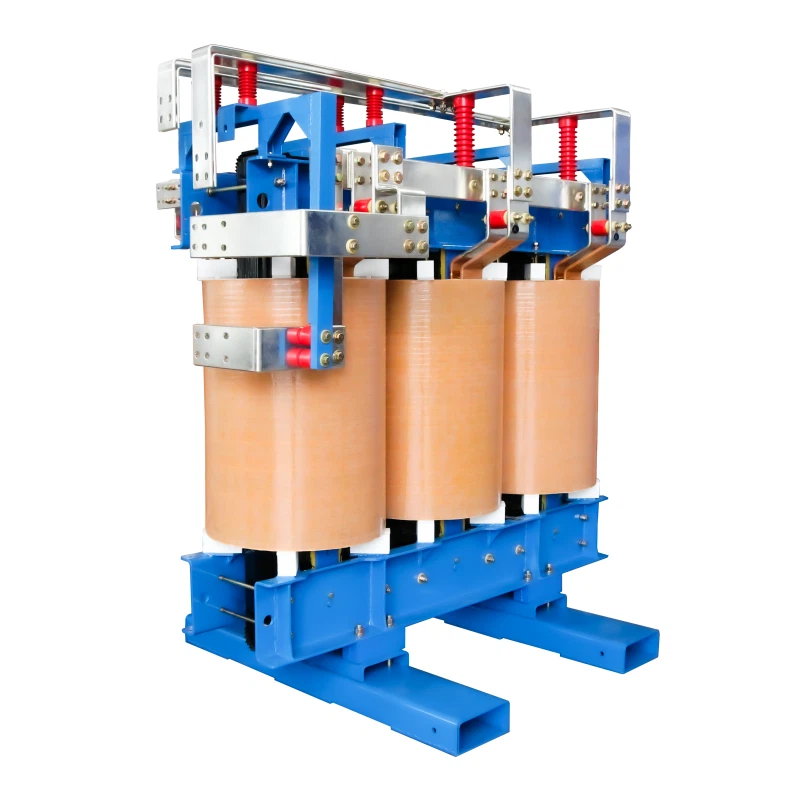 VPI TransformerSpecifications:. Rating :100 kVA to 20 MVA . Voltage Class:Up to 22 kV . Frequency :50/60 Hz. Cooling:AN/AF . . Description:. Ryan can help minimize costs while still delivering exceptionalAdd to Inquiry


- Tel: +86-513-88781828
- Fax: +86-513-88837088
- Email: Ryancustomerinquiry@redq.cc
- Add: No.229, Huanghai West Road, Haian City, Jiangsu Province, China.
Lower fire hazard
Dry type transformers use non-flammable insulation materials, making them less likely to ignite, propagate, or escalate a fire.
Maintenance-free
Dry transformers are self-cooled and do not require any cooling oil or other liquids. Hence, they require very low maintenance.
Reduced noise
As dry type transformers do not use oil, they generate no noise, making them suitable for applications in noise-sensitive areas.
Environment-friendly
As dry type transformers do not contain oil or other hazardous fluids, they pose no threat to the environment in terms of contamination of soil, water, or air.
Easy to install
Dry type transformers are easy to install and require no special foundation or tranches for excavation.
Long life expectancy
Dry transformers operate at lower temperatures than oil-filled transformers and, hence, have a longer life expectancy.
Space saving
Dry type transformers are smaller and lighter than oil-filled transformers. They occupy less space, making them ideal for applications where space is at a premium.
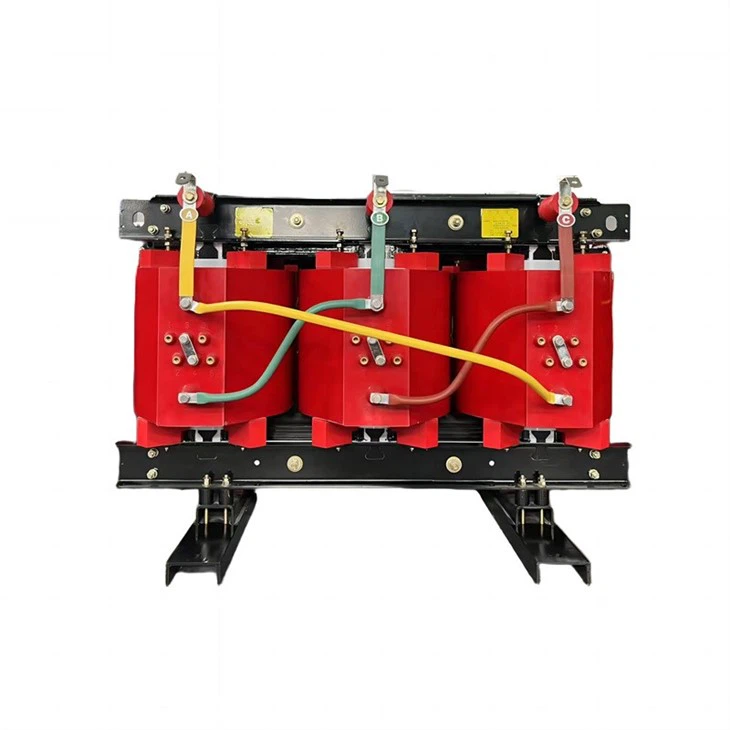
For extended life and optimal performance, maintenance activities of your dry type transformer are highly recommended on a periodic basis.
Checking for dust accumulation
● Visually inspect cover louvers, screens, and internal coil cooling ducts for dust build-up. If found, wait until the transformer is de-energized to remove any panels
● Once de-energized, vacuum out as much of the dust as possible
● Clean the transformer with a brush or lint-free rag. Avoid detergents or cleaning products as they may accumulate future dust and accelerate the deterioration of your transformer
● In inaccessible areas, blow dry air into the unit
Allowing dust and debris to accumulate over time can cause problems with your Dry type transformers that can lead to an electrical short and overheating.
While the transformer is energized
● Verify proper ventilation
● Monitor any changes in the characteristics of your transformer's audible sound
While the transformer is deenergized
● Ensure all accessible hardware is tightened
● Clean cooling fans
● Inspect insulation surfaces for any discoloration or signs of heat damage
● Isolation dampeners should be monitored for signs of deterioration
Indoor installations: Dry type transformers can be safely and easily installed indoors, making them a popular choice for office buildings, hospitals, and other commercial or residential settings.
Hazardous environments: In hazardous environments where the risk of flammability exists, Dry Type transformers are the ideal option due to their non-flammable design.
Waterfront areas: Dry type transformers are commonly used in waterfront areas where the risk of flooding is high. The transformers are filled with air and do not require cooling water, which makes them less prone to damage in these areas.
Renewable energy projects: Dry type transformers are widely used in wind farms and solar power plants, which are subject to strict safety regulations. They are safer and more reliable than oil-filled transformers in these applications.
Data centers: Dry type transformers are preferred in data centers because they do not produce oil or moisture, making them less likely to cause damage to sensitive electronic equipment.
Health care facilities: Dry type transformers are also widely used in healthcare facilities, as they produce less noise and are less disruptive to patients.
Industrial settings: Dry type transformers are commonly used in industrial settings where the risk of exposure to flammable or hazardous materials is high. They are also ideal for installations where space is limited.
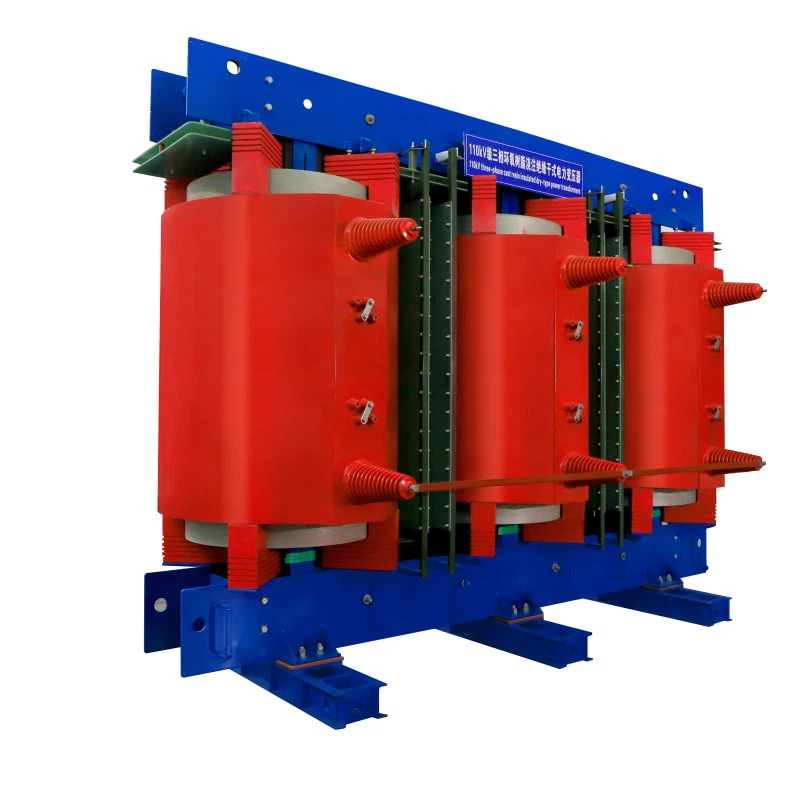
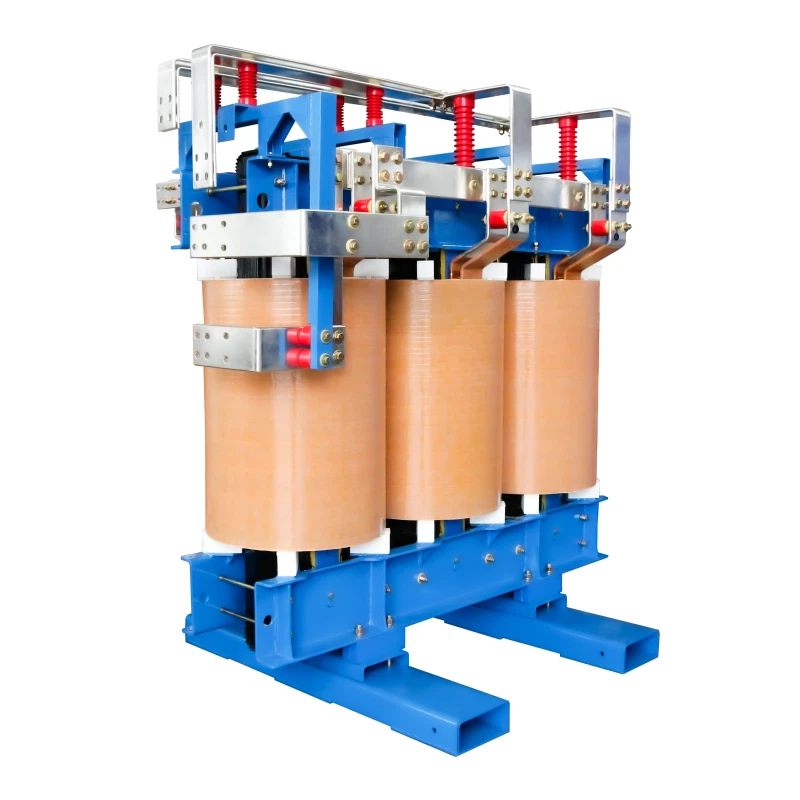
Transformer losses occur the whole time the transformer is powered. The current flows in a transformer winding and the alternating magnetic field in the core contributes to most transformer losses. Losses can be classified into two categories.
No load losses
Transformer no-load loss is often called core loss or iron loss. The no-load losses in a transformer are primarily caused by losses in the core steel. However, it is the combined losses caused by eddy current, hysteresis, stray eddy current and dielectric losses that make up the no-load losses
The size of the no-load loss is related to factors. These include transformer capacity, magnetic circuit structure, silicon steel sheet quality and depend on the unit loss of iron core material. With the voltage of the power supply being constant, the size of no-load loss remains the same value.
Load losses
The losses produced in the core are called no-load losses, meanwhile, the losses associated with the coils are called load losses. Load losses are sometimes referred to as copper losses. The term copper losses are used regardless of whether the windings are made of copper or another conductor (typically aluminium). These losses are made up of heat losses and I²R (current squared times resistance) losses. This loss is due to the primary and secondary winding resistance and is directly proportional to load, so if that increases the losses increase.
How to Solve the Abnormal Sound Inside the Dry Type Transformer?
According to the above reasons that can cause the internal sound of the dry type transformer to be investigated one by one, it was finally found that the power plant's dry type transformer tap was loose and was not found in time, resulting in abnormal internal sound of the transformer.
Maintenance workers should take their own safety protection measures first, and check the connection of the tap gear and the safety status of the resistance after power failure, and then deal with it appropriately according to the inspection results.
In addition to the abnormal internal sound of the transformer, there will also be abnormal external sound. This requires maintenance personnel to calmly respond when judging the abnormal sound of the transformer, and first determine the abnormal sound location. If the external sound is abnormal, the cause should be analyzed from the following perspectives.
1. The transformer runs for a long time, "fatigue" does work, and overloads operation, which makes the transformer bear excessive pressure during operation, and then produces abnormal sound.
2. The actual operating voltage of the Dry Type transformer does not match the rated voltage. If the actual operating voltage is too high, it is easy to overexcite the transformer, causing the transformer to operate abnormally, causing abnormal external sound and shortening the service life of the transformer.
3. Loss of phase operation, this is a problem that often occurs in the working state of the transformer, it will cause the transformer to appear over-excitation, and make the transformer emit a very sharp sound under the normal working state.
4. Short-circuit or grounding on the low-voltage side causes abnormal sound on the outside of the transformer.
5. The floating potential does not affect the operation of the transformer, but it will cause abnormal sound when the transformer is working (in this power system, all parts of the transformer, including bolts, pull plates, etc., are sprayed with paint, which affects the performance of the parts to a certain extent. The contact between the two is affected by the leakage magnetic field, which can easily lead to the floating potential of the transformer).
6. Transformer resonance. Maintenance personnel should check the installation position of the transformer.
How to Solve the Abnormal External Sound of the Dry Type Transformer?
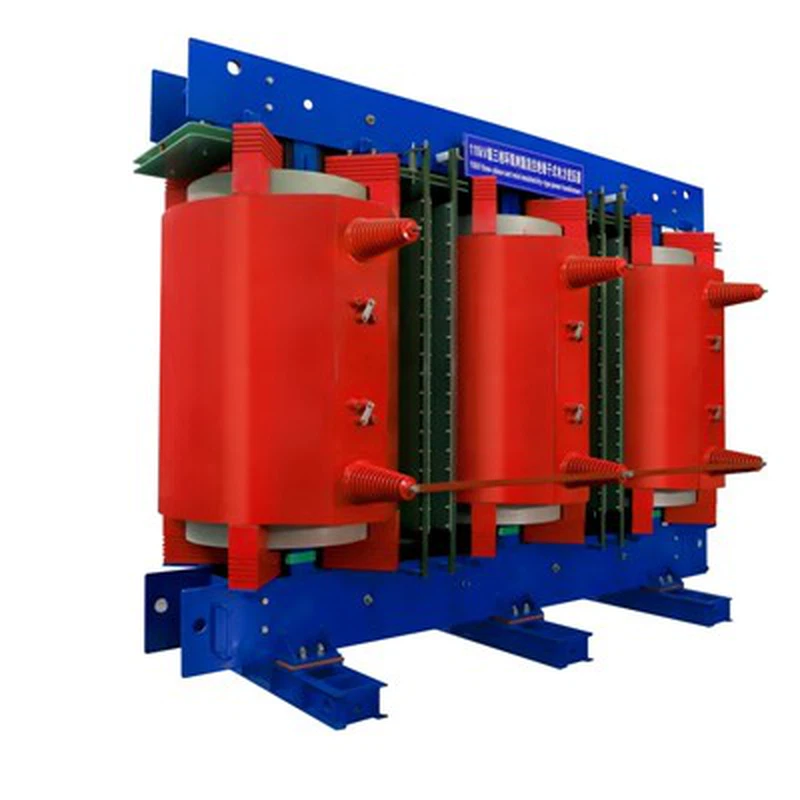

1. Adjust the operating load of the Dry Type transformer, and appropriately reduce the operating load of the transformer according to the transformer's rated voltage.
2. According to the power consumption of the power plant, appropriately adjust the operating voltage of the transformer. Use a multimeter to measure the low-voltage side voltage data, observe the low-voltage side voltage output, and compare with the rated voltage of the Dry Type transformer. The maintenance personnel should eliminate the overexcitation phenomenon by increasing the tapping position and restore the normal external sound.
3. For the transformer operating under phase loss, use a multimeter to measure whether the voltage output values of the low-voltage side of the transformer are within the normal range. If the voltage output value does not meet the requirements, the maintenance personnel should immediately cut off the power and check to see if the power circuit on the high-voltage side of the transformer is disconnected. Then take the correct response measures according to the specific situation.
4. Check the voltage on the low-voltage side of the transformer, solve the short-circuit problem, and adjust the grounding state according to the status of the low-voltage side loop. The maintenance personnel can use a scraper to scrape the paint off the transformer parts to ensure that the transformer parts are in good contact and eliminate the floating potential.
5. For the transformer resonance phenomenon, one is to check whether the transformer steel plate is loose. If there is any looseness, you need to tighten the housing screws. If the transformer resonates due to the looseness of other parts of the transformer, the corresponding parts need to be tightened.
The firmware inspection is very necessary, at least once a year, the inspection contents include.
- Check all parts of the Dry Type transformer and tighten them regularly. If the threads appear slippery, they should be replaced in time,
- Considering the easy corrosion of metal parts, the metal parts of Dry Type transformers should be inspected regularly, and the corroded parts should be replaced in time,
- Check the insulator, check whether the insulating material on the surface of the insulator has fallen off, and replace the aging insulating parts in time to ensure electrical safety and prevent electric shock accidents.

How Do You Stop a Dry Type Transformer Fire?
If a transformer fire does occur, there are a few main methods for suppressing or extinguishing it. These include.
Water-based systems: One approach is a sprinkler system for transformers. Depending on the use case, there are several types of water-based systems for transformer fire protection, including deluge, fixed water spray, water mist, and pre-action water mist systems. Water is a common suppression method, but it's an imperfect one, especially in environments where water could potentially damage other electrical systems and equipment.
Direct release systems: A direct release suppression system provides an alternative to water-based systems that instead uses a specific suppressant that is kept pressurized in a canister attached to a detection tube. If a fire ignites, the detection tube degrades, which causes the suppression agent to be released, quickly working to mitigate the fire.
Indirect release systems: An indirect release system works similarly, except when the suppressant is released, it is diffused over a much larger area, making indirect release systems preferable in cases where a larger area might be impacted.
Can Dry Type Transformers Be Installed Both Inside and Outside?
Dry Type transformers can be installed either indoors or outdoors. For indoor applications, a simple enclosure can be used but is not essential, as there is not much ingress protection required inside most buildings. The high level of safety inherent in these transformers allows them to be located indoors where they are relatively close to human traffic.
For applications which require the transformer to be located outside, there are a host of design solutions to suit the severity of the conditions. Dry Type transformers can be protected in enclosures that resist the ingress of dust and moisture. They even operate successfully on opencast coal mines, where dust is particularly fine and conductive.
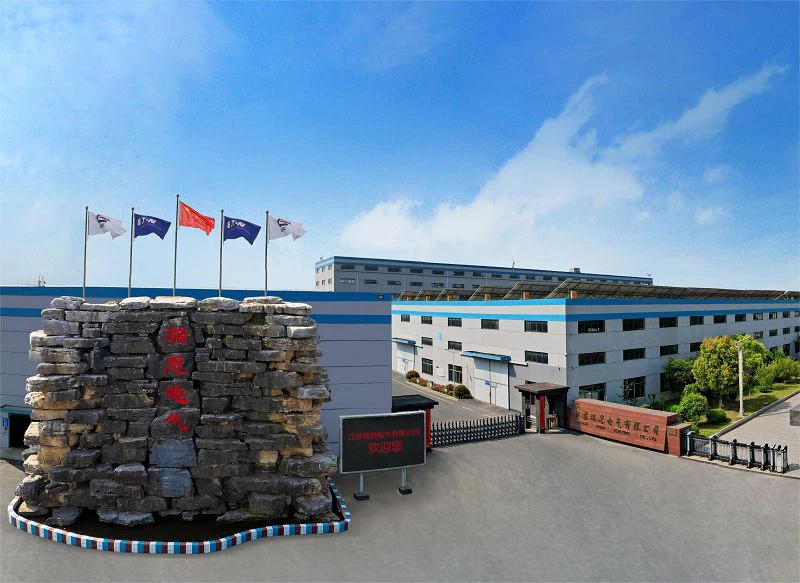
Our Factory
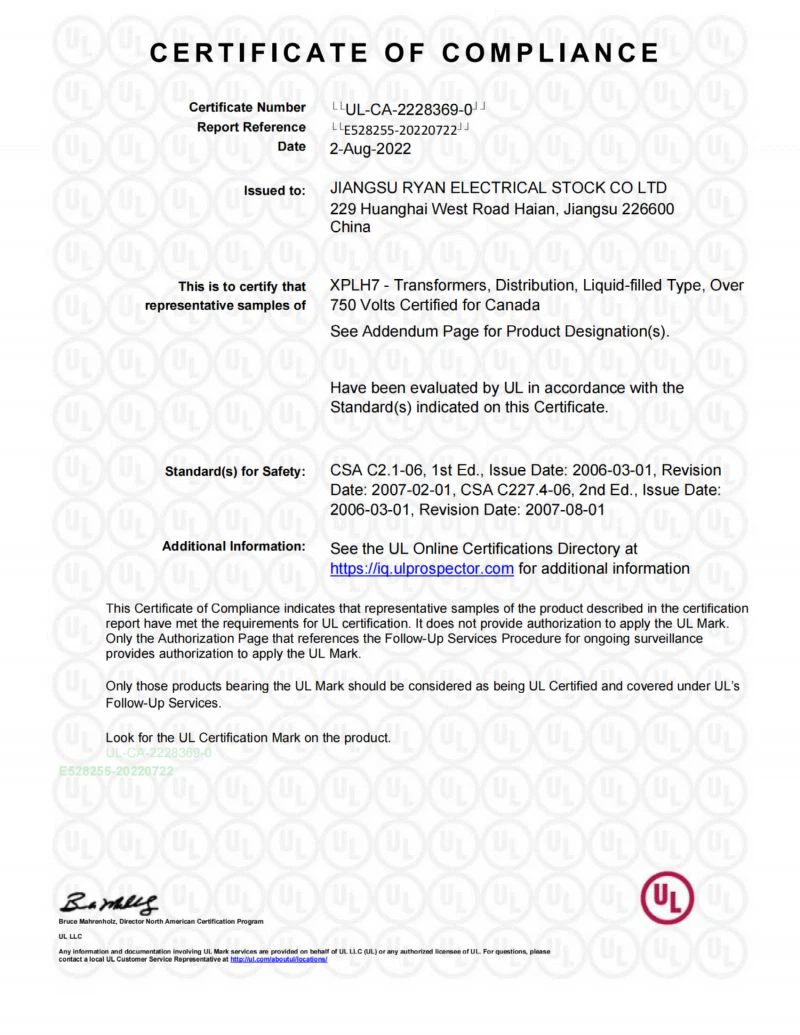
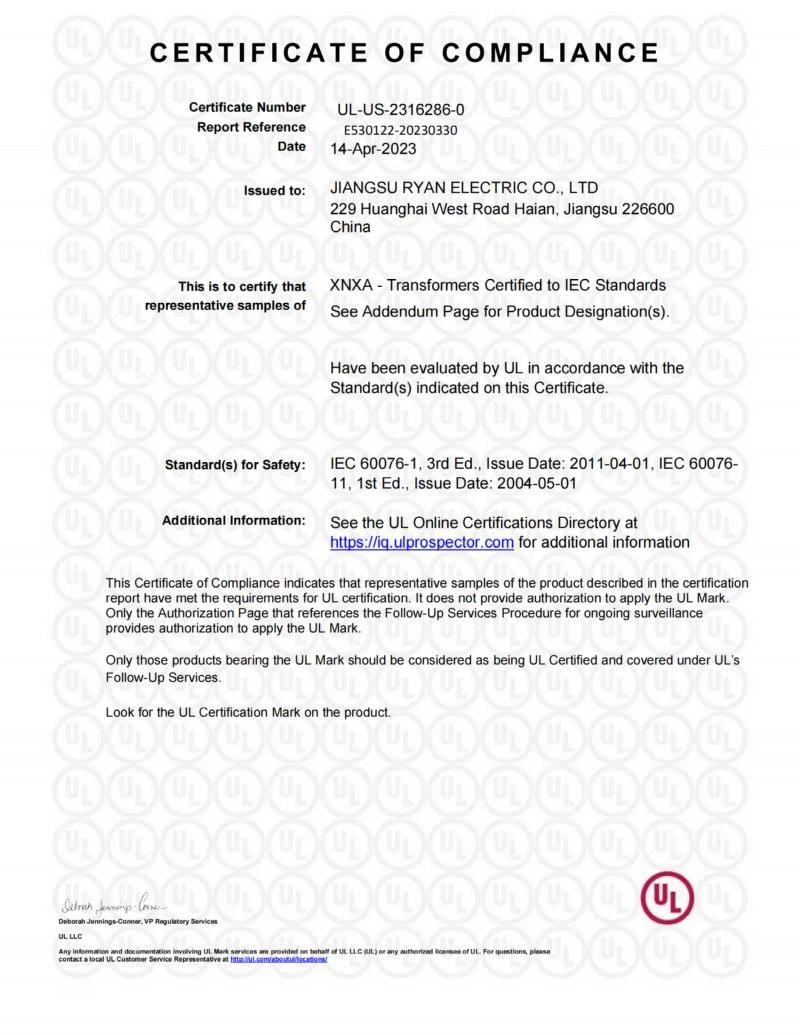
Established in 2007,Jiangsu Ryan Electric Co., Ltd is a new high-tech enterprise specialized in manufacturing electric transmission and transformation equipment and has over 20 series products including cast resin dry-type series transformers (Specification:10kV, 20kV, 35kV and 110kV), oil-immersed transformers (Specification:10kV, 20kV, 35kV,66kV and 110kV), pad mounted series transformers (ANSI pad-mounted transformer and IEC prefabricated transformer) and complete sets of high and low voltage electrical switch control equipment (KYN61-40.5,KYN28-12, HXGN, MNS and GGD).
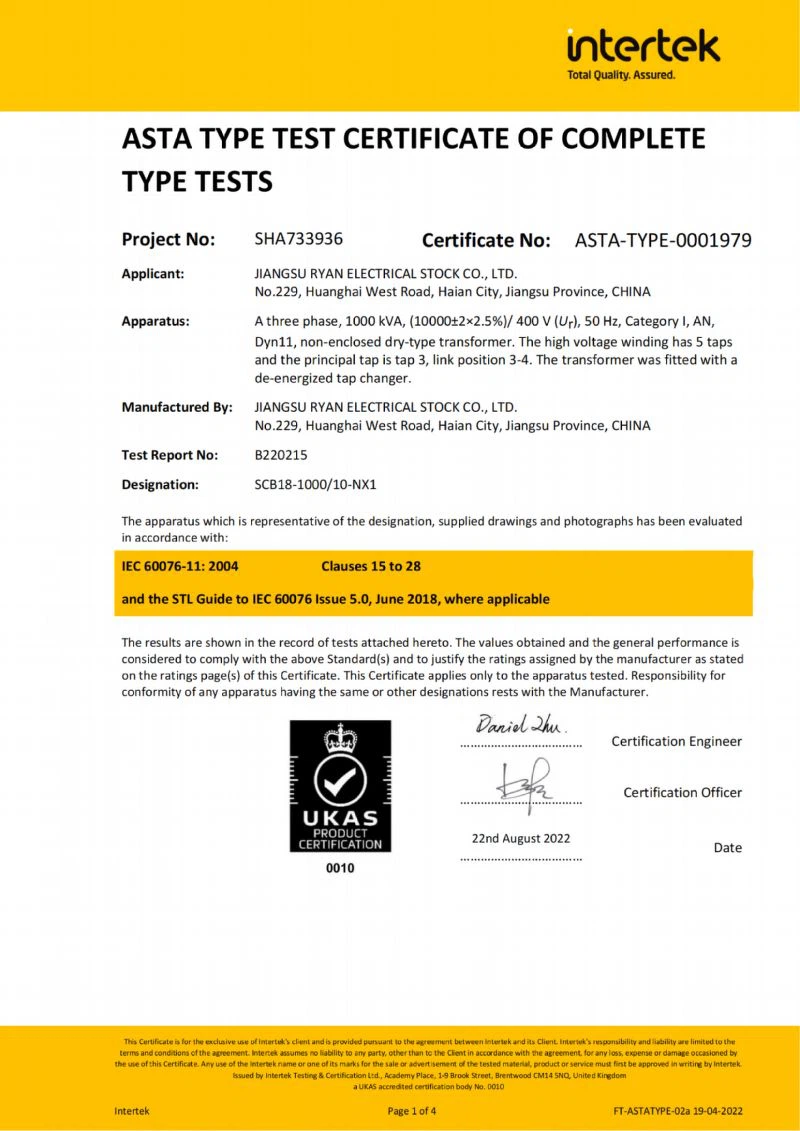
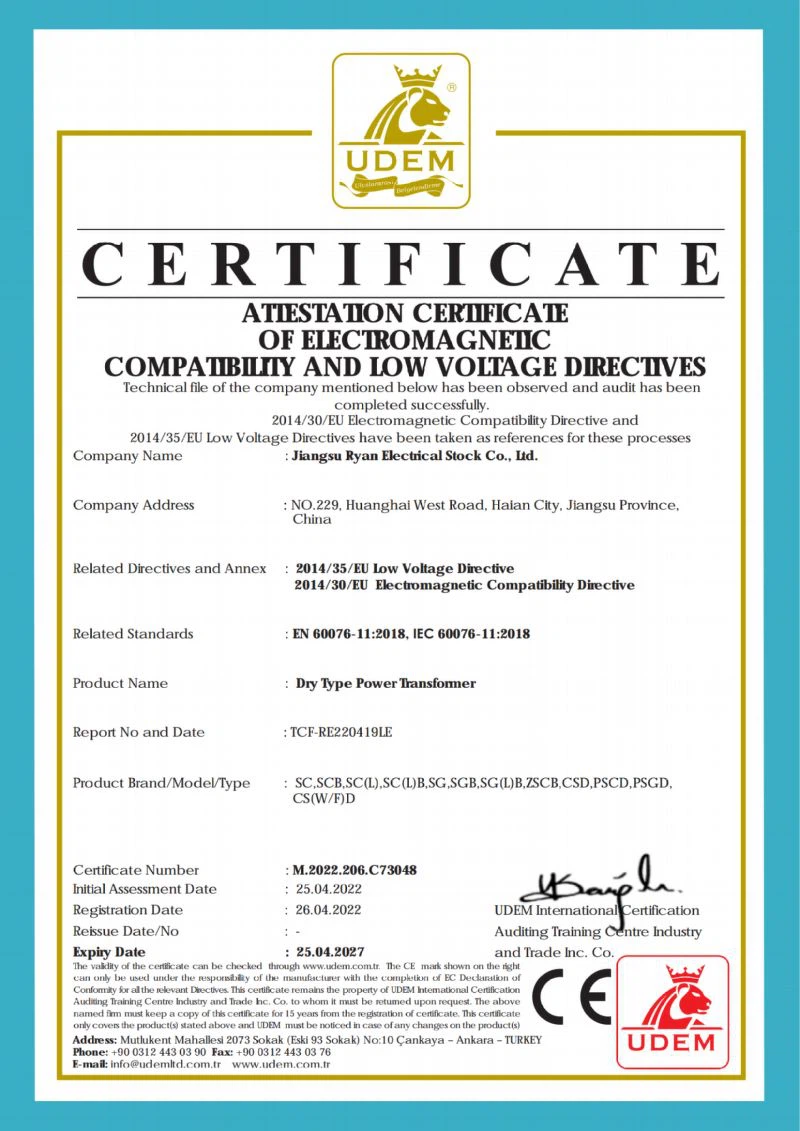
Our Certificate
FAQ
As one of the most professional dry type transformer manufacturers and suppliers in China, we're featured by quality products and good service. Please rest assured to buy customized dry type transformer from our factory.
Dry Type Transformer, Cast Resin Dry Type Transformer, type a transformer