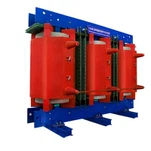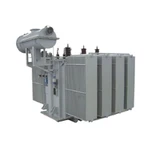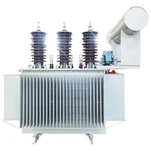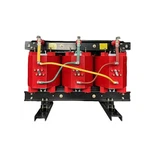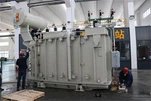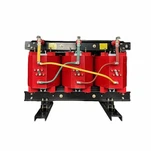


Transformers are the backbone of power distribution, but they're not invincible. Overloading a transformer - whether due to sudden demand surges or continuous high loads - can lead to overheating, insulation damage, or even catastrophic failure. Let's dive into the principles of transformer overload and the protection mechanisms that keep these vital machines safe.
🔧 1. Transformer Overload Principles
Overload happens when the transformer load exceeds its rated capacity. It's essential to understand two key types of overload:
Short-term overload: This occurs during temporary load spikes, like motor startups or sudden demand surges. Transformers can withstand short-term overloads if the duration and temperature rise stay within safe limits.
Long-term overload: Continuous overloading causes temperature to rise beyond the insulation's heat tolerance, accelerating insulation aging, deforming windings, and increasing core losses - leading to irreversible damage.
👉 Key takeaway: Transformers have high thermal capacity, allowing short-term overloads, but sustained overload must be avoided to prevent long-term damage.
🔥 2. Transformer Protection Principles
To safeguard transformers from overload damage, multiple protection mechanisms are deployed. Let's explore the most important ones:
✅ (1) Overcurrent Protection
Principle: Triggers when load current exceeds a preset threshold (usually 1.2 to 1.5 times the rated current), disconnecting the transformer from the power source to prevent damage.
Devices: Fuses, overcurrent relays, and circuit breakers.
🌡️ (2) Temperature Protection
Principle: Monitors winding and core temperatures. If temperatures exceed safe limits (e.g., 130°C or 155°C for H-class insulation), the system either issues an alarm or shuts down the transformer.
Devices: Thermal relays, thermistors, PT100 temperature probes.
⚡ (3) Overload Protection
Principle: Allows short-term overloads but increases sensitivity over time. If the overload persists beyond the safe duration, the system trips to prevent damage.
Devices: Load monitoring relays, time-delay relays.
🛠️ (4) Short Circuit Protection
Principle: Short circuits generate massive fault currents - often more than 10 times the rated current. The protection system must trip instantly to prevent coil and insulation damage.
Devices: High-speed circuit breakers, differential protection relays.
🔍 (5) Additional Protections
Gas Protection (for oil-immersed transformers): Detects gas buildup from internal faults, triggering an alarm or shutdown.
Overvoltage Protection: Prevents damage from sudden voltage spikes.
🎯 3. Smart Overload Management Strategy
Overload protection isn't just about installing devices - it's about smart load management. A comprehensive strategy includes:
Real-time load monitoring to anticipate overloads before they happen.
Load balancing to prevent sustained high loads on one transformer.
Routine maintenance checks to ensure protection devices are responsive.
🔍 Final Thoughts
Transformers can endure short bursts of overload, but continuous overloading is a silent killer. The key to keeping your transformer healthy? A balance of reliable protection devices, regular inspections, and proactive load management.
👉 Need help designing a custom protection setup or load strategy for your transformer? Let me know - I'm here to help ensure your power keeps flowing, safely and efficiently! ⚡✨