

Why Choose Us
Quality products
We offer high-quality power transmission and transformation equipment that meets international standards and customer specifications.
Cost-effective
Our products are competitively priced. We employ an efficient manufacturing process that reduces production costs and enhances customer value.
Professional team
Our team of engineers, technicians, and sales personnel has over ten years of experience in the manufacturing and supply of power transmission and transformation equipment.
Customer-focused
We prioritize customer satisfaction. We work closely with our customers to understand their requirements and provide tailor-made solutions to meet their needs.
What Is Dry Type Transformer?
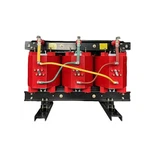
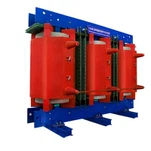
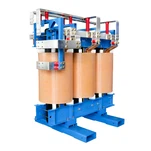
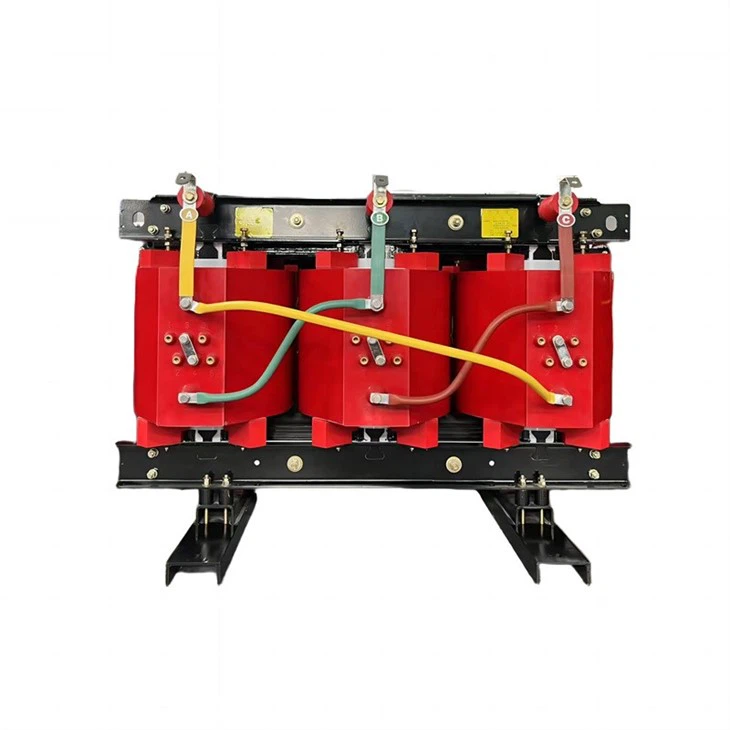
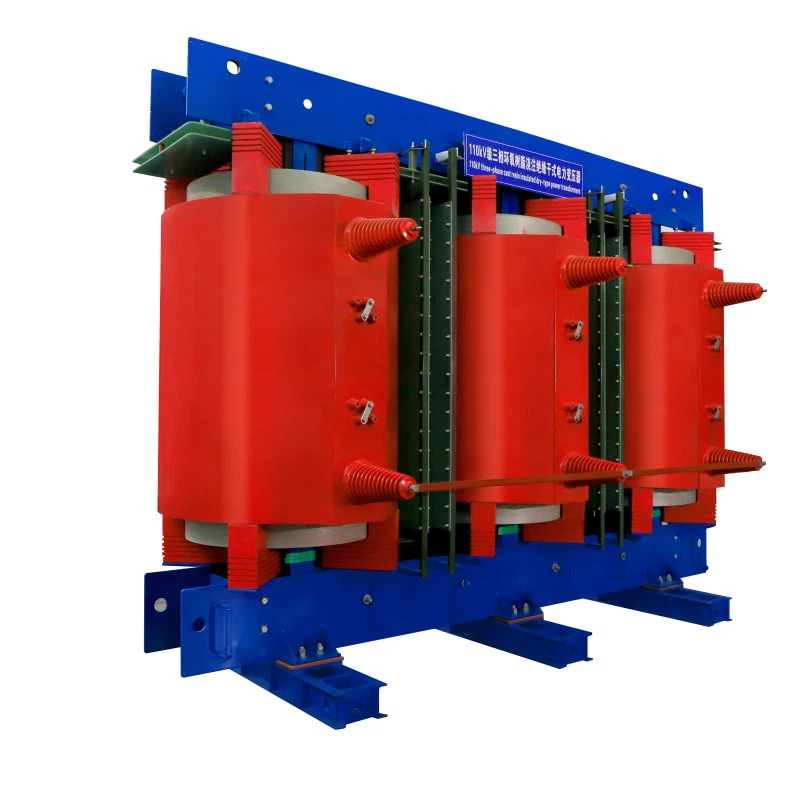
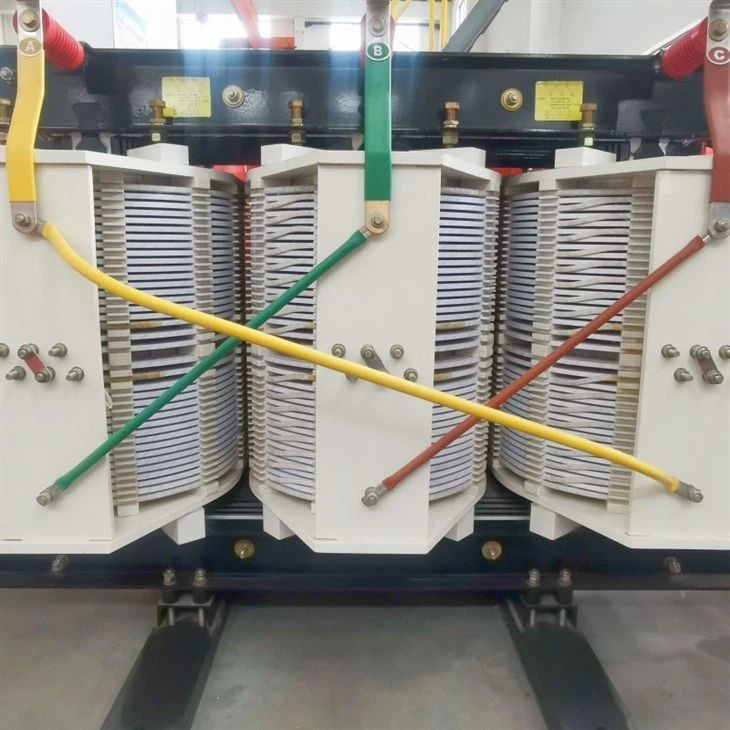
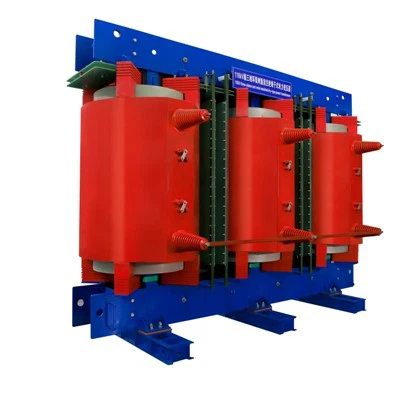
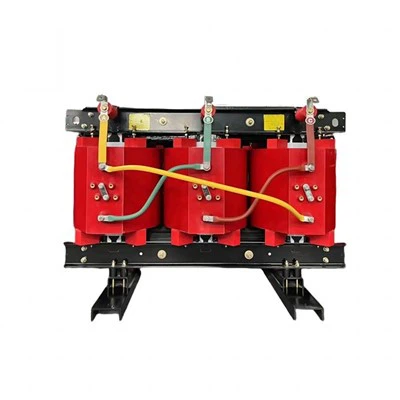
A dry type transformer is a transformer that does not use any liquid or oil as a coolant or insulator. Instead, it relies on air to cool and insulate its windings. Dry type transformers are typically used in environments where the use of oil-filled transformers is not practical or safe, such as in buildings, tunnels, and other confined spaces. They are also preferred in environments where the risk of fire is high, due to their ability to self-extinguish in the event of a fire. Dry type transformers are typically more expensive than oil-filled transformers, but they require less maintenance and have a longer lifespan.
Safety
Dry type transformers do not use any oil for cooling or insulation, which reduces the risk of fire and environmental hazard.
Low maintenance
Since there is no oil involved, there is no need for regular oil testing and replacement, which reduces the maintenance required for the transformer.
Environment-friendly
Dry type transformers have a low environmental impact due to the absence of oil and other hazardous materials.
High efficiency
Dry type transformers have a high level of efficiency and can reduce energy consumption, resulting in lower electricity costs.
Durability
Dry type transformers are designed to withstand harsh operating conditions, such as extreme temperatures and high humidity.
Compatibility
Dry type transformers are compatible with a range of equipment and can be used in both indoor and outdoor applications.
Reduced noise levels
Dry type transformers operate with lower noise levels compared to liquid-filled transformers, making them ideal for noise-sensitive areas.
Easy installation
Dry type transformers are easy to install and require minimal space compared to liquid-filled transformers.

Dry transformers are synonymous with environmental friendliness. They are stationary, motionless equipment that utilises insulation systems that are kinder to the planet. These transformers rely on air for cooling, making them energy-efficient and eco-friendly. This cooling process eliminates the need for potentially harmful oil-based cooling systems.
Dry type transformers find applications in various settings, including commercial, industrial, and utility environments. They are commonly used in small and medium-voltage applications for various electric equipment.
Various types cater to diverse needs within the realm of dry type transformers. Each variant offers unique advantages, from vacuum pressure impregnated (VPI) to open wound transformers.
According to the above reasons that can cause the internal sound of the dry type transformer to be investigated one by one, it was finally found that the power plant's dry type transformer tap was loose and was not found in time, resulting in abnormal internal sound of the transformer.
Maintenance workers should take their own safety protection measures first, and check the connection of the tap gear and the safety status of the resistance after power failure, and then deal with it appropriately according to the inspection results.

Dry Type Transformer Maintenance Checklist
For extended life and optimal performance, maintenance activities of your dry type transformer are highly recommended on a periodic basis.
Checking for dust accumulation
● Visually inspect cover louvers, screens, and internal coil cooling ducts for dust build-up. If found, wait until the transformer is de-energized to remove any panels
● Once de-energized, vacuum out as much of the dust as possible
● Clean the transformer with a brush or lint-free rag. Avoid detergents or cleaning products as they may accumulate future dust and accelerate the deterioration of your transformer
● In inaccessible areas, blow dry air into the unit
Allowing dust and debris to accumulate over time can cause problems with your Dry type transformers that can lead to an electrical short and overheating.
While the transformer is energized
● Verify proper ventilation
● Monitor any changes in the characteristics of your transformer's audible sound
While the transformer is deenergized
● Ensure all accessible hardware is tightened
● Clean cooling fans
● Inspect insulation surfaces for any discoloration or signs of heat damage
● Isolation dampeners should be monitored for signs of deterioration

The firmware inspection is very necessary, at least once a year, the inspection contents include.
- Check all parts of the Dry Type transformer and tighten them regularly. If the threads appear slippery, they should be replaced in time,
- Considering the easy corrosion of metal parts, the metal parts of Dry Type transformers should be inspected regularly, and the corroded parts should be replaced in time,
- Check the insulator, check whether the insulating material on the surface of the insulator has fallen off, and replace the aging insulating parts in time to ensure electrical safety and prevent electric shock accidents.
Indoor installations: Dry type transformers can be safely and easily installed indoors, making them a popular choice for office buildings, hospitals, and other commercial or residential settings.
Hazardous environments: In hazardous environments where the risk of flammability exists, Dry Type transformers are the ideal option due to their non-flammable design.
Waterfront areas: Dry type transformers are commonly used in waterfront areas where the risk of flooding is high. The transformers are filled with air and do not require cooling water, which makes them less prone to damage in these areas.
Renewable energy projects: Dry type transformers are widely used in wind farms and solar power plants, which are subject to strict safety regulations. They are safer and more reliable than oil-filled transformers in these applications.
Data centers: Dry type transformers are preferred in data centers because they do not produce oil or moisture, making them less likely to cause damage to sensitive electronic equipment.
Health care facilities: Dry type transformers are also widely used in healthcare facilities, as they produce less noise and are less disruptive to patients.
Industrial settings: Dry type transformers are commonly used in industrial settings where the risk of exposure to flammable or hazardous materials is high. They are also ideal for installations where space is limited.
Factors Causing the Dry Type Transformers Humming


Core lamination
Dry type transformers commonly have iron cores with laminated sheets to minimise energy losses from eddy currents. Imperfections in these sheets, such as burrs or gaps, can disrupt the smooth magnetic flux path and contribute to noise.
Cooling fans
Transformers may incorporate cooling fans or pumps to regulate temperature. If not properly maintained or if their bearings are worn, these mechanical components can introduce noise into the system.
Load conditions
Noise levels are affected by the transformer's load conditions. Transformers operating at or near full load tend to be noisier than those at partial load. Effective load management can help reduce noise. Overloading a transformer beyond its rated capacity can result in increased heat and electromagnetic forces, leading to excessive noise.
Installation conditions
The design and installation of transformer enclosures play a crucial role in influencing the sound levels associated with transformers. Inadequate sound insulation within these enclosures can lead to the escape of transformer noise, further exacerbating the issue, particularly during the process of installing transformers.
Weight of transformer
The weight of the transformer itself can lead to ambient structural vibrations, which may contribute to the emitted noise. Proper support and damping measures can help mitigate this issue.
Methods to Stop Dry Type Transformers Noise
Acoustic enclosures
Installing soundproof enclosures around transformers can significantly reduce noise transmission. These enclosures are designed to contain and absorb sound, minimising its impact on the surroundings.
Vibration damping
Implementing vibration dampeners on transformer components, like core sheets and tanks, and covering the walls of the transformer cabin with noise-absorbent materials, such as acoustic kimsul or fibreglass, can effectively reduce noise generated by the transformer.
Advanced core and coil design
Engineers can optimise transformer core and coil designs to minimise magneto-elastic effects, acoustic resonance, and noise by selecting core materials with lower magneto-elastic properties and adjusting core dimensions as necessary in the transformer design.
Maintenance and monitoring practices
Regular maintenance checks and monitoring of transformers are essential. Loose components or worn-out parts can increase sound levels, so timely repairs and replacements are crucial.
Innovative noise-reducing technologies
Utilising innovative technologies like low noise transformers, which incorporate specialised designs and materials to reduce noise emissions, can be an effective long-term solution.
Smart placement
Properly locating transformers away from sensitive areas, such as residential zones, can minimise the impact of noise on the surrounding environment.
Use of noise barriers
Erecting noise barriers or barriers with sound-absorbing properties between transformers and sensitive areas can help reduce noise propagation.
Oil coolers
Using oil coolers instead of fans for cooling in transformers involves the circulation of oil through a heat exchanger to dissipate heat. This method results in quieter transformer operation without mechanical noise from fans.
Load management
Careful load management for transformers involves maintaining a stable and balanced load and avoiding sudden or drastic load changes that can create transient noise spikes.
Regulatory compliance
Meeting noise regulations and standards set by local authorities is crucial for ensuring that transformers operate within acceptable noise limits. Compliance involves noise level measurements and limits to prevent disturbances and ensure transformers meet noise thresholds.

Dry Type transformers can be installed either indoors or outdoors. For indoor applications, a simple enclosure can be used but is not essential, as there is not much ingress protection required inside most buildings. The high level of safety inherent in these transformers allows them to be located indoors where they are relatively close to human traffic.
For applications which require the transformer to be located outside, there are a host of design solutions to suit the severity of the conditions. Dry Type transformers can be protected in enclosures that resist the ingress of dust and moisture. They even operate successfully on opencast coal mines, where dust is particularly fine and conductive.
Superior electrical conductivity
Copper serves as the epitome of a conductor with high electrical conductivity, enabling the smooth flow of electric current with minimal resistance. This attribute holds immense significance in transformers, where efficient energy transfer and minimal power loss are paramount. Copper windings, made of copper, maintain excellent electrical conductivity throughout the transformer's operation, ensuring optimal performance.
Minimal energy loss
Owing to its remarkable conductivity, copper windings facilitate the seamless transmission of electrical energy from the primary to the secondary winding. This efficiency translates into minimal energy losses during the transfer process, culminating in a transformer that operates at an elevated level of effectiveness. Reduced energy loss translates into lower operational costs and contributes to a more sustainable power distribution system.
Effective heat dissipation
The copper transformer's exceptional thermal conductivity allows for efficient transfer and dissipation of the heat generated during operation. By efficiently dissipating heat, transformers with copper windings effectively maintain safe operating temperatures, minimising the risk of performance degradation and potential damage. This reliable heat dissipation characteristic of copper contributes to the overall efficiency and reliability of copper wound transformers, making them an ideal choice for various electrical applications.
Longevity and reliability
The combination of copper's exceptional electrical and thermal properties, along with its inherent strength, contributes to the extended lifespan and unwavering reliability of transformers. Copper windings, known for their durability and resilience, can withstand the continuous demands of operation, maintaining their performance characteristics throughout the lifecycle of the transformer.
Compatibility with joining techniques
Transformers are intricate assemblies comprising various components, and the integrity of their connections is of paramount importance. Copper's compatibility with an array of joining techniques, including soldering and brazing, further elevates its allure for transformer windings and copper connections. These techniques ensure robust connections between different winding elements, contributing to the overall structural integrity of the transformer.
Our Factory
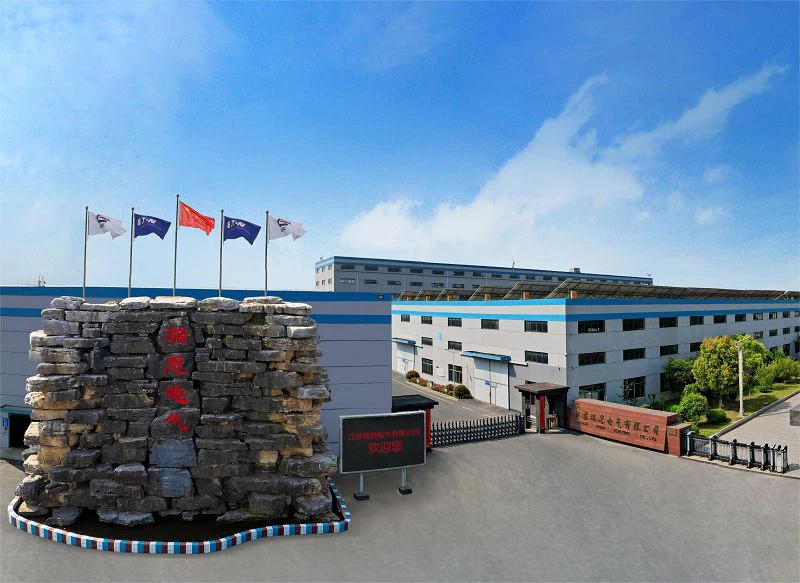
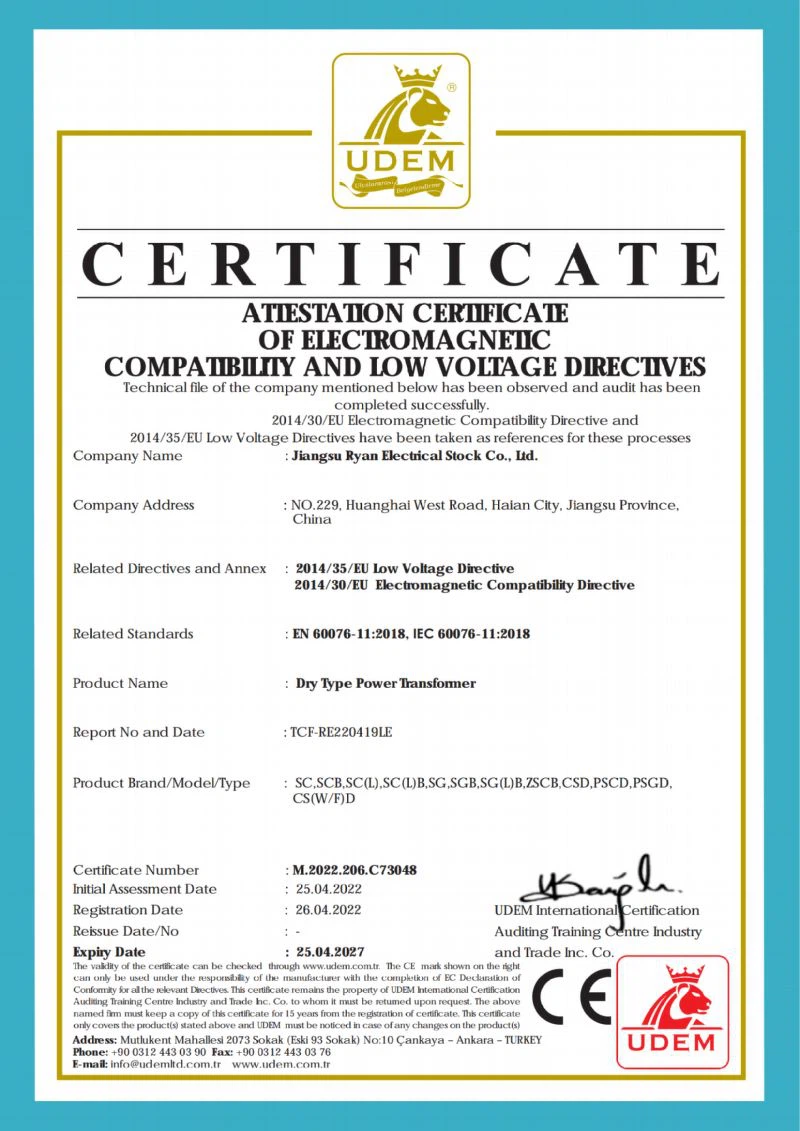
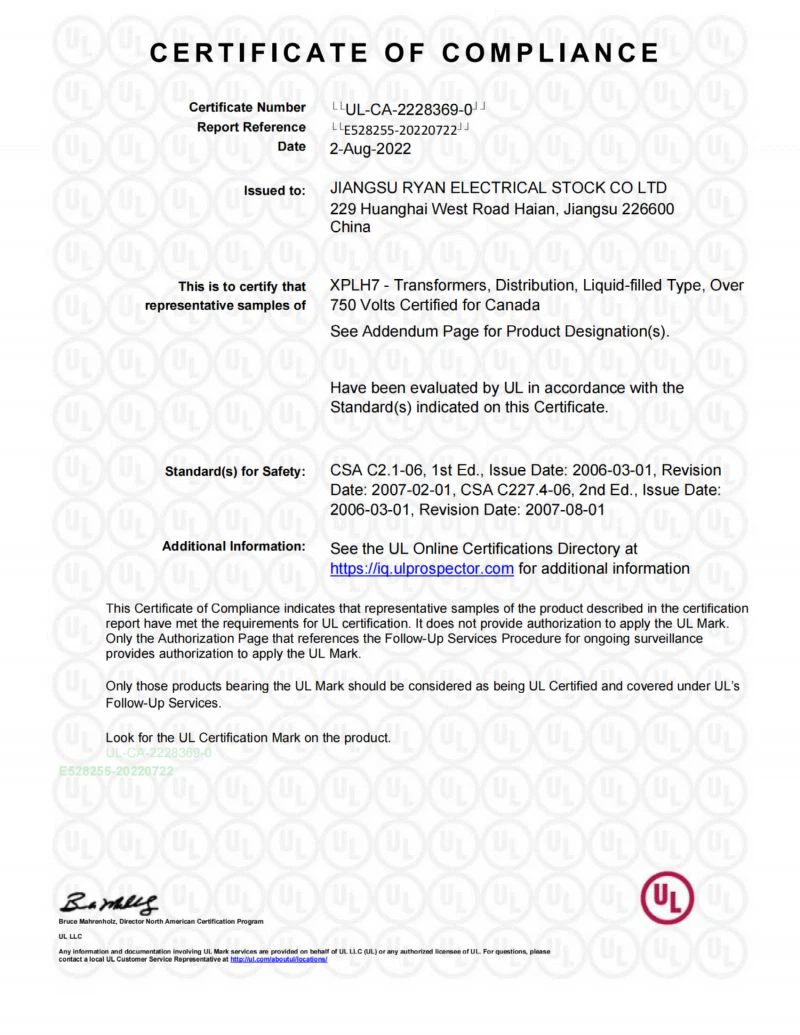
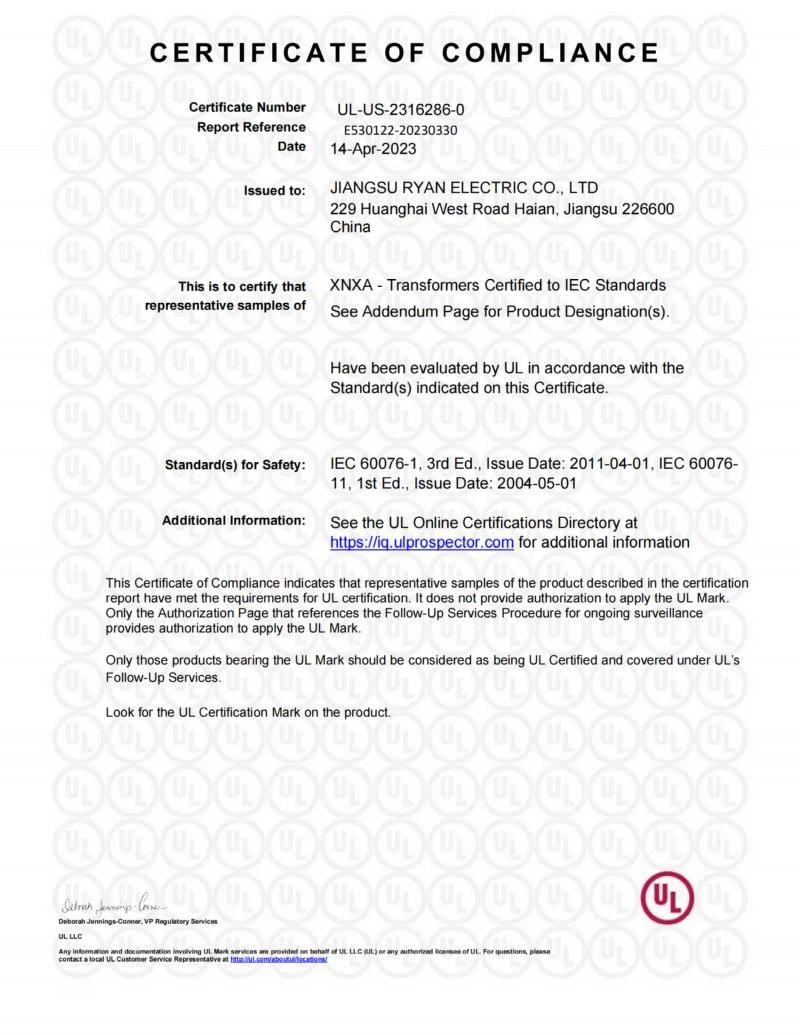
Established in 2007,Jiangsu Ryan Electric Co., Ltd is a new high-tech enterprise specialized in manufacturing electric transmission and transformation equipment and has over 20 series products including cast resin dry-type series transformers (Specification:10kV, 20kV, 35kV and 110kV), oil-immersed transformers (Specification:10kV, 20kV, 35kV,66kV and 110kV), pad mounted series transformers (ANSI pad-mounted transformer and IEC prefabricated transformer) and complete sets of high and low voltage electrical switch control equipment (KYN61-40.5,KYN28-12, HXGN, MNS and GGD).
Our Certificate
FAQ
Hot Tags: dry type transformers, China dry type transformers manufacturers, suppliers, factory, VPI Transformer, type a transformer, Cast Resin Dry Type Transformer, Dry Type Transformer