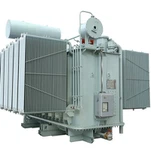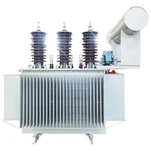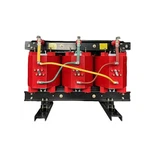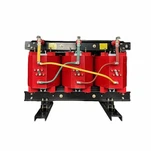


Transformers are designed to handle a rated load efficiently, but there are scenarios where a temporary overload becomes necessary - like during peak demand or equipment startup surges. However, running a transformer beyond its rated capacity isn't without risk. In this blog, let's break down the conditions under which a transformer can safely operate under overload.
🎯 1. Key Conditions for Allowing Overload
For a transformer to endure short-term overload without damage, several critical conditions must be met:
1️⃣ Temperature Limits
The winding temperature must not exceed the insulation class limits:
Class A insulation: Maximum 105°C
Class B insulation: Maximum 130°C
Class F insulation: Maximum 155°C
Class H insulation: Maximum 180°C
Exceeding these limits leads to insulation degradation and reduced transformer lifespan.
2️⃣ Load Type
The nature of the load determines how the transformer handles the overload:
Short-duration loads (e.g., motor startups) can tolerate brief overloads.
Continuous loads require stricter limits to avoid prolonged overheating.
3️⃣ Ambient Temperature
Environmental temperature impacts heat dissipation. Generally:
Cooler environments (< 25°C) allow for more overload capacity.
Hot environments (> 40°C) require load reduction to avoid overheating.
4️⃣ Cooling Capability
Cooling efficiency plays a major role:
Forced air cooling (with fans) supports higher overloads.
Natural air cooling has limited heat dissipation, requiring shorter overload times.
🔧 2. Common Overload Duration Guidelines
If all the above conditions are met, transformers can tolerate overloads for short durations. Here's a general guideline:
| Overload Level | Permissible Duration |
|---|---|
| 1.2x rated load | 60 minutes |
| 1.5x rated load | 30 minutes |
| 2x rated load | 5-10 minutes |
⚠️ Note: These values are typical benchmarks. Always refer to the manufacturer's manual for specific limits on your transformer model.
🔥 3. Risks of Prolonged Overload
While short-term overload is sometimes necessary, prolonged overloading can lead to serious consequences, including:
Accelerated insulation aging and reduced service life.
Winding overheating causing deformation or even short circuits.
Core overheating, affecting magnetic performance.
Voltage instability, impacting connected equipment.
Overload should remain an emergency measure - not a routine practice.
🔍 Final Thoughts
Understanding when and how a transformer can safely handle overload conditions is crucial for maintaining reliability and preventing costly damage. By monitoring temperature, load type, ambient conditions, and cooling performance, you can make informed decisions about short-term overload scenarios.
👉 Need help determining your transformer's safe overload capacity or running load simulations? Let me know in the comments - I'm happy to explore more!
✅ Keep your power flowing - without overloading your transformer's limits!