

In the world of electrical power distribution and transmission, transformers play a crucial role in stepping up or stepping down voltage to ensure efficient and safe delivery of electricity. Among the various components that make up a transformer, the On-Load Tap Changer (OLTC) is a critical device that allows voltage adjustments under load conditions.
In this blog, we will explore the importance of OLTC in oil transformers, how they work, and why they are essential for maintaining stable and efficient power supply systems.
What is an OLTC?
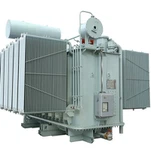
An On-Load Tap Changer (OLTC) is a mechanism used in transformers to change the transformer's tap voltage without interrupting the power supply. It is typically used in oil-filled transformers, where the oil serves as both an insulating and cooling medium.
The OLTC allows for voltage regulation while the transformer is operating, making it ideal for maintaining system stability. This is especially important in systems where voltage fluctuations are common, or the load varies throughout the day.
How Does an OLTC Work?
The OLTC is connected to the transformer's winding taps, which provide different voltage levels. By selecting different taps, the transformer adjusts its voltage output. The OLTC, as its name suggests, allows these adjustments to happen while the transformer is under load-without needing to shut down the system.
When the load on the transformer changes (for example, in response to shifts in power demand), the OLTC selects the appropriate tap to adjust the output voltage. The key is that the tap change occurs without cutting off the electrical supply, avoiding power interruptions.
Key Components of OLTC Systems
Diverter Switch: The diverter switch is used to short-circuit the winding, ensuring that the switch's operation does not cause a disruption in the current flow during the tap change.
Tap Selector: The tap selector allows the choice of the appropriate tap on the transformer winding to regulate the voltage output. The OLTC can have multiple tap positions, depending on the voltage regulation range required.
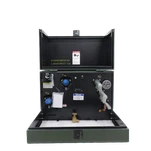
Motor and Gearbox: The motor and gearbox mechanism is responsible for controlling the movement of the tap changer. The motor is typically driven by a remote control system for automated operation.
Oil Compartment: Since OLTCs are used in oil-filled transformers, the oil plays an essential role in insulating and cooling the equipment. It also helps in suppressing arc formation when the tap change occurs.
Why Are OLTCs Important in Oil Transformers?
Voltage Regulation: OLTCs are crucial for maintaining voltage levels within a specified range, ensuring the proper functioning of electrical equipment. They provide a dynamic response to fluctuating power demands and mitigate voltage dips or surges.
Improved Efficiency: By allowing for on-load voltage adjustments, OLTCs enhance transformer performance. This leads to better efficiency and less energy loss, benefiting both power producers and consumers.
Increased Transformer Lifespan: OLTCs help ensure that transformers operate within optimal voltage parameters, reducing the stress on the transformer and contributing to longer service life.
Minimization of Power Interruptions: OLTCs allow for voltage regulation without taking the transformer offline, reducing the likelihood of power outages or disruptions in service.
Challenges and Maintenance of OLTCs
While OLTCs are highly effective, they are not without challenges. Some common issues with OLTCs include:
Arcing During Tap Changes: Though oil serves as an insulator and arc suppressant, arcing during tap changes can still occur. Over time, this can lead to the degradation of oil and the contacts inside the OLTC.
Wear and Tear: The mechanical components of the OLTC, including the diverter switch and motor, can wear out over time. Regular inspection and maintenance are required to ensure optimal performance.
Oil Quality: The quality of the oil used in oil transformers is critical to the safe and efficient operation of the OLTC. Degraded or contaminated oil can lead to overheating, electrical faults, or failure of the OLTC.
Maintenance Tips for OLTCs:
Regularly check oil levels and quality.
Inspect mechanical components for wear and tear.
Ensure proper calibration of tap positions.
Clean and replace oil as needed.
Conclusion
OLTCs are essential components of oil transformers, providing the necessary functionality for voltage regulation without interrupting the power supply. They are indispensable in modern electrical power systems, contributing to the efficient and reliable transmission of electricity.
By understanding how OLTCs work and their importance in oil transformers, power systems can be optimized to ensure stable voltage levels and improve overall efficiency. Regular maintenance and proper functioning of these devices are key to achieving these goals and extending the lifespan of the transformer.
Call to Action: If you're working with oil transformers or managing power systems, make sure your OLTCs are in optimal condition. Regular checks and proper care can help avoid unnecessary outages and ensure the reliable operation of your equipment.