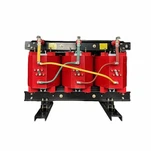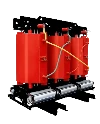


Dry-type transformers are widely used in various industries due to their safety, reliability, and low maintenance requirements. However, regular maintenance and timely inspections are essential to ensure optimal performance and prolong their lifespan. In this blog, we'll dive into the key aspects of maintaining and inspecting dry-type transformers.
🎯 1. Daily Maintenance
1. Keep it Clean
Regularly clean the transformer's exterior and cooling vents to prevent dust buildup, which can lead to overheating.
Pay close attention to high-voltage terminals and insulation supports, ensuring they're free from conductive dust that could cause electrical discharge.
2. Monitor Temperature
Verify that the temperature control devices are functioning properly. Monitor the transformer's winding and core temperatures to ensure they stay within safe limits - typically below 155°C for H-class insulation (check your transformer's nameplate for specifics).
3. Listen and Smell for Trouble
A healthy transformer emits a consistent, low humming sound. Unusual noises (like buzzing or crackling) may indicate loose parts or partial discharge.
If you detect a burning smell, it's a strong warning sign of overheating or insulation failure. Immediate shutdown and inspection are advised.
🔧 2. Periodic Inspections (Every 6-12 Months)
1. Tightness Check
Inspect and tighten all electrical connections on both the high and low voltage sides. Loose connections can lead to dangerous overheating and potential failures.
2. Insulation Resistance Testing
Use a megohmmeter to measure insulation resistance between the windings and to the ground. A healthy reading should be in the range of hundreds of megohms or higher. A significant drop in resistance could indicate moisture ingress or insulation degradation.
3. Cooling System Verification
Ensure cooling fans and ventilation systems are operating correctly. Any obstructions in the airflow can lead to heat buildup and reduced efficiency.
Test temperature sensors or thermostats to confirm they trigger cooling mechanisms appropriately.
4. Core and Winding Inspection
Check that the transformer core is securely fastened without signs of displacement. Loose cores may vibrate, causing abnormal noise and potential damage.
For advanced checks, use an infrared thermal imaging camera to detect hotspots that may indicate poor connections or internal damage.
🛠 3. Troubleshooting Common Issues
1. Partial Discharge Detection
If buzzing or sparking sounds occur, they may indicate partial discharge - a breakdown of insulation within the transformer. Use ultrasonic or partial discharge detection equipment to locate the source and address the issue promptly.
2. Overheating Solutions
Overheating can result from overloading, poor connections, or insufficient cooling. Identify and address the root cause, whether it's cleaning vents, tightening connections, or reducing load.
3. Moisture Control
Long-term shutdowns or humid environments can lead to moisture absorption. If insulation resistance tests indicate dampness, apply drying methods like hot air circulation or low-voltage, high-current heating to restore optimal performance.
🔍 Final Thoughts
Dry-type transformers are robust and require less maintenance than oil-filled counterparts. However, neglecting routine checks and basic upkeep can lead to costly repairs or even complete transformer failure. By implementing a structured maintenance schedule - including daily monitoring, periodic inspections, and timely repairs - you'll ensure your transformer operates reliably and efficiently for years to come.
Would you like to dive deeper into advanced maintenance techniques or troubleshooting specific issues? Let me know in the comments below - I'm happy to explore more!
✅ Keep your transformer healthy, and it will power your operations smoothly!