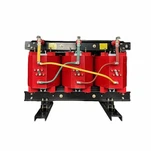


A transformer plug is a device that converts electrical voltage from one level to another, allowing appliances to operate safely when plugged into an outlet with a different voltage. It is commonly used for international travel or for devices that require a different voltage than what is supplied by the electrical outlet.
How a Transformer Plug Works
A transformer plug consists of a built-in step-up or step-down transformer that adjusts the voltage to match the requirements of the connected device. Here's how it functions:
1. Input Power Connection
- The transformer plug is inserted into a wall outlet, receiving AC (alternating current) power at the voltage supplied by the electrical grid (e.g., 120V in the U.S. or 230V in Europe).
2. Voltage Transformation
- Inside the plug, the transformer has two windings:
Primary winding (connected to the wall outlet)
Secondary winding (connected to the output socket)
- Depending on the design, the transformer either:
Steps down the voltage (e.g., 230V → 120V for U.S. appliances in Europe)
Steps up the voltage (e.g., 120V → 230V for European appliances in the U.S.)
- The power remains AC unless the transformer plug includes a rectifier to convert AC to DC (direct current).
3. Output Power to Device
- The transformed voltage is supplied to the connected device, ensuring it operates safely at the correct voltage level.