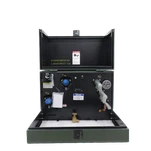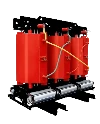


Overvoltage protection is a critical aspect of electrical and electronic systems, designed to safeguard equipment and infrastructure from damage caused by voltage levels that exceed the rated or permissible limits. Overvoltage can occur due to various reasons, such as lightning strikes, switching operations, or faults in the power system. Overvoltage protection devices and strategies are implemented to detect and mitigate these excessive voltage levels, ensuring the safety and reliability of the system.
1. Causes of Overvoltage
Overvoltage can be caused by:
Lightning Strikes: Direct or indirect lightning strikes can induce extremely high voltages in power lines or equipment.
Switching Operations: Sudden changes in the power system, such as switching off large loads or capacitor banks, can cause transient overvoltages.
Faults: Ground faults or short circuits can lead to temporary overvoltages in unaffected phases.
Resonance: Resonance conditions in the power system can amplify voltages to dangerous levels.
External Factors: Grid instability or improper voltage regulation can also result in overvoltage.
2. Types of Overvoltage
Overvoltage can be classified into two main types:
Transient Overvoltage: Short-duration voltage spikes, typically caused by lightning or switching events.
Sustained Overvoltage: Longer-duration voltage increases, often due to faults or grid issues.
3. Overvoltage Protection Devices
Several devices are used to protect against overvoltage:
a. Surge Arresters
Function: Divert high-voltage surges (e.g., from lightning) to the ground, protecting downstream equipment.
Applications: Used in power transmission and distribution systems, as well as in electronic devices.
b. Voltage Clamping Devices
Function: Limit the voltage to a safe level by clamping excess voltage.
Examples: Metal Oxide Varistors (MOVs), Zener diodes.
Applications: Used in low-voltage circuits and electronic devices.
c. Overvoltage Relays
Function: Monitor the voltage level and trip the circuit breaker if the voltage exceeds a set threshold.
Applications: Used in industrial and commercial power systems.
d. Isolation Transformers
Function: Isolate the load from the power source, preventing overvoltage from reaching sensitive equipment.
Applications: Used in data centers, hospitals, and other critical facilities.
e. Uninterruptible Power Supplies (UPS)
Function: Provide stable voltage and protect against overvoltage by switching to battery power during voltage spikes.
Applications: Used in computers, servers, and other sensitive electronic equipment.
4. Overvoltage Protection Strategies
a. Grounding and Bonding
Proper grounding and bonding of electrical systems reduce the risk of overvoltage by providing a low-impedance path for fault currents.
b. Shielding
Shielding power lines and equipment can protect against induced overvoltages from external sources, such as lightning.
c. Redundancy
Designing systems with redundant components ensures that overvoltage events do not cause complete system failure.
d. Regular Maintenance
Inspecting and maintaining protection devices (e.g., surge arresters, relays) ensures they function correctly during overvoltage events.
5. Importance of Overvoltage Protection
Equipment Protection: Prevents damage to expensive and sensitive equipment, such as transformers, motors, and electronic devices.
Safety: Reduces the risk of fire, electric shock, and other hazards caused by overvoltage.
System Reliability: Ensures continuous operation of power systems and minimizes downtime.
Cost Savings: Avoids costly repairs and replacements by preventing damage from overvoltage events.
6. Standards and Regulations
Overvoltage protection is governed by various international standards, such as:
IEC 61643: Standards for surge protective devices.
IEEE C62.41: Guidelines for surge protection in low-voltage AC power circuits.
NEC (National Electrical Code): Provides requirements for grounding and bonding to mitigate overvoltage risks.