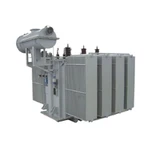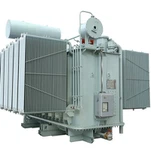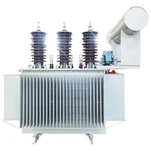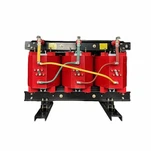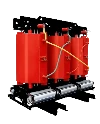


DC resistance testing is a critical procedure in the maintenance and diagnostics of electrical equipment, such as transformers, motors, and cables. It involves measuring the DC resistance of windings or conductors to ensure the equipment operates safely and efficiently. Below are the key reasons why DC resistance testing is essential:
1. Detecting Winding or Conductor Integrity
DC resistance testing helps identify issues in windings or conductors, such as:
Open Circuits or Broken Wires: A significant increase in resistance (or infinite resistance) indicates a break in the winding or conductor.
Poor Connections: Loose or corroded connections (e.g., joints, terminals) can cause abnormally high resistance.
Conductor Degradation: Aging or corrosion of conductor materials can lead to increased resistance.
By detecting these issues early, potential failures during operation can be prevented.
2. Assessing Winding or Conductor Quality
DC resistance testing evaluates the quality of windings or conductors:
Material Consistency: Comparing resistance values across different windings ensures uniformity in conductor materials.
Manufacturing Defects: Deviations from design resistance values may indicate manufacturing flaws, such as uneven winding or poor soldering.
3. Diagnosing Equipment Faults
DC resistance testing is a vital tool for fault diagnosis:
Short Circuits: A significant drop in resistance may indicate a short circuit in the winding.
Turn-to-Turn Shorts: In transformers or motors, turn-to-turn shorts can cause abnormal resistance in specific windings.
Ground Faults: DC resistance testing can help locate ground faults by identifying unexpected resistance paths to ground.
4. Verifying Design Compliance
After manufacturing or major repairs, DC resistance testing ensures the equipment meets design specifications:
Resistance Values: Confirms that the measured resistance aligns with the design specifications.
Phase Balance: In three-phase equipment, the DC resistance of all phases should be nearly equal. Significant deviations may indicate winding issues.
5. Monitoring Equipment Aging
DC resistance testing helps monitor the aging of electrical equipment:
Resistance Trends: Regular testing tracks changes in resistance over time, indicating potential aging or degradation.
Predicting Remaining Lifespan: Abnormal resistance changes can help predict when maintenance or replacement is needed.
6. Ensuring Safe Operation
DC resistance testing contributes to the safe operation of equipment:
Preventing Overheating: High resistance can cause excessive heat, leading to equipment damage or fire hazards.
Avoiding Electrical Failures: Detecting abnormal resistance helps prevent short circuits, open circuits, and other electrical faults.
7. Compliance with Standards and Regulations
DC resistance testing is often required by international standards and regulations, such as:
IEC 60076 (Power Transformers)
IEEE C57.12.90 (Transformer Testing)
GB/T 10228 (Chinese Transformer Standards)
Conducting DC resistance testing ensures compliance with industry and regulatory requirements.
8. Improving Equipment Efficiency
DC resistance testing helps optimize equipment performance:
Reducing Energy Losses: Identifying and fixing high-resistance issues minimizes energy losses, improving efficiency.
Extending Equipment Lifespan: Early detection of resistance-related problems prolongs the life of the equipment.
Conclusion
DC resistance testing is an indispensable part of electrical equipment maintenance and diagnostics. It helps detect winding or conductor issues, assess quality, diagnose faults, verify design compliance, monitor aging, ensure safe operation, and comply with standards. By performing regular DC resistance tests, the reliability, safety, and efficiency of electrical equipment can be significantly enhanced, reducing the risk of failures and maintenance costs.