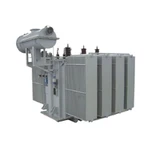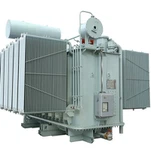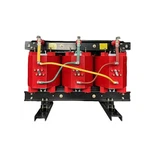


Transformers used at substations are primarily of two types: power transformers and distribution transformers.
Power transformers are large and high-voltage transformers used in electrical power transmission and distribution systems. They are typically located at power substations and convert electrical energy between different voltage levels. These transformers play a crucial role in stepping up the voltage for efficient long-distance transmission and stepping down the voltage for local distribution.
Distribution transformers, also known as service transformers, are used in electrical distribution networks to supply power to residential, commercial, and industrial areas. These transformers step down the high voltage received from the power grid to lower voltage levels suitable for local consumption. Distribution transformers are usually smaller in size compared to power transformers and are commonly mounted on utility poles or placed on concrete pads.

Both power transformers and distribution transformers are essential components of the electrical grid infrastructure, ensuring the efficient transmission and distribution of electrical power to end-users.