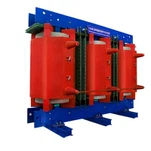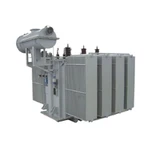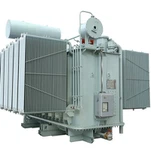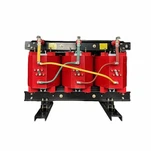


Partial discharge (PD) is a localized electrical discharge that occurs in an insulating material or along the boundary of an insulating and conducting material, without completely bridging the electrodes. It often happens in areas of high electric stress due to imperfections, voids, or defects in the insulation. Partial discharges are significant because they can deteriorate the insulation material over time, potentially leading to equipment failure.
1. How Partial Discharge Occurs
Partial discharge typically occurs in regions where the electric field exceeds the dielectric strength of the insulation material. Common scenarios include:
Voids or Bubbles in Solid Insulation: Air-filled cavities inside solid insulation have a lower dielectric strength than the surrounding material, causing localized discharges.
Sharp Edges or Protrusions: High electric field concentrations at sharp edges or protrusions can initiate PD.
Contaminants in Insulation: Particles or moisture can cause localized field enhancement.
Surface Discharge: Discharges along the surface of an insulator, often due to contamination or humidity.
2. Types of Partial Discharge
Internal Discharge:
Occurs within voids or gaps in solid or liquid insulation.
Common in transformer windings or solid insulators.
Surface Discharge:
Occurs along the surface of an insulating material.
Often due to moisture, dirt, or other contaminants.
Corona Discharge:
Occurs around sharp points or edges in gaseous insulation (e.g., air).
Common in high-voltage overhead lines.
Treeing:
A progressive form of PD that creates branching discharge paths within insulation, eventually causing breakdown.
3. Effects of Partial Discharge
Degradation of Insulation:
PD causes chemical and physical damage to the insulation, such as carbonization or erosion.
Reduced Lifespan:
Accelerates aging and shortens the operational life of electrical equipment.
Electrical Breakdown:
If undetected, PD can lead to catastrophic insulation failure and equipment damage.
Noise and Interference:
PD emits electromagnetic waves and acoustic noise, which can interfere with nearby devices.
4. Detection and Measurement
PD is typically detected using specialized diagnostic tools. Common methods include:
Electrical Detection:
Monitors high-frequency pulses in the system caused by PD.
Instruments: Oscilloscopes, spectrum analyzers.
Acoustic Detection:
Detects ultrasonic emissions generated by PD activity.
Instruments: Ultrasonic microphones or sensors.
Optical Detection:
Captures light emissions from PD (e.g., in gases like SF₆ in switchgear).
Chemical Detection:
Measures byproducts of PD, such as gases (e.g., hydrogen, CO, CO₂) in oil-filled transformers.
Thermal Imaging:
Detects heat generated by PD in severe cases.
5. Prevention and Mitigation
High-Quality Insulation:
Use materials with high dielectric strength and minimal defects.
Proper Design:
Avoid sharp edges, protrusions, or areas prone to high electric stress.
Maintenance:
Regular cleaning and inspection to remove contaminants and moisture.
Condition Monitoring:
Use PD monitoring systems for early detection and preventive maintenance.
Oil Processing:
For oil-filled transformers, degasification and filtration reduce contamination.
6. Importance of Monitoring
Regular monitoring of partial discharge is critical for maintaining the reliability and safety of high-voltage equipment, such as:
Power transformers
High-voltage cables
Switchgear
Rotating machines
By identifying PD early, utilities and industries can plan maintenance, prevent unplanned outages, and extend equipment lifespan.