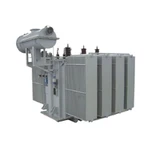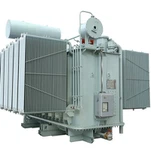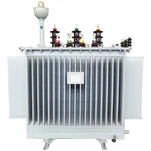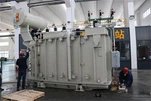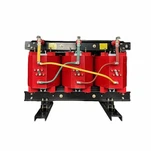


Replacing the natural ester insulating oil in a transformer is an important procedure to maintain the performance and safety of the equipment. Over time, the oil can degrade due to factors like high temperatures, moisture absorption, and contamination. The process of replacing the oil involves careful planning, safety measures, and adherence to industry standards. Here's a general step-by-step guide for replacing natural ester insulating oil in a transformer:
1. Preparation and Safety Precautions
Before starting the replacement procedure, it's important to take the necessary safety precautions and prepare the transformer and equipment.
Shut down the transformer: Ensure the transformer is de-energized and disconnected from the power supply. Verify that no electrical current is flowing to the transformer.
Lockout/Tagout (LOTO): Follow Lockout/Tagout procedures to ensure the transformer is isolated from any electrical power sources and cannot be accidentally energized during the process.
Ensure proper ventilation: Make sure the work area is well-ventilated, especially if the transformer is in an enclosed space.
Personal Protective Equipment (PPE): Wear appropriate PPE, including gloves, safety goggles, face shield, and protective clothing, to avoid exposure to hot oil, hazardous chemicals, or electrical hazards.
Check for oil containment: Prepare adequate containment systems (e.g., spill containment trays or a sealed container) to catch any spillage of oil during the replacement process.
2. Draining the Existing Oil
Once all safety measures are in place, begin the oil replacement process by draining the existing oil from the transformer.
Locate the oil drain valve: The transformer will typically have a dedicated drain valve at the bottom of the tank for removing used oil. Ensure you know the location and how to safely access the drain valve.
Drain the oil: Open the drain valve slowly and allow the oil to drain into an approved container for disposal or recycling. It's essential to collect and store the used oil properly according to local environmental regulations.
Monitor the oil draining process: Keep an eye on the draining process to ensure that the oil is being safely removed. You may need to use pumps or other equipment to assist in the removal if the oil doesn't drain by gravity.
Remove any residual oil: Once the oil has been drained, some residual oil may remain in the transformer's internal components. To ensure complete removal, you can use a vacuum or suction device to remove any remaining oil in the tank. This helps ensure that there is no contamination when the new oil is added.
3. Cleaning the Transformer (Optional)
Although not always necessary, cleaning the transformer's internal components can help ensure the new oil is not contaminated by any residues from the old oil.
Clean the tank: If required, clean the internal tank of the transformer with a cleaning agent that is compatible with the materials of the transformer and does not harm the new oil. Some cleaning agents are designed to remove oil residue and moisture.
Inspect for contaminants: Inspect the transformer's components for signs of contaminants such as sludge, water, or other particles. If contamination is found, it may be necessary to clean the components more thoroughly or dry them out before adding the new oil.
4. Drying the Transformer (if necessary)
In cases where the transformer has absorbed moisture from the environment or the old oil, drying it before filling with new oil is crucial to prevent contamination and to preserve the electrical performance of the insulating oil.
Use a drying process: Depending on the moisture content, use a heating process or vacuum dehydration system to remove moisture from the transformer. This may involve:
Vacuum drying: Applying a vacuum to remove moisture trapped in the paper insulation and other components.
Heat drying: Applying heat to the transformer (if permissible) to drive out moisture.
Ensure moisture-free environment: Before filling with new oil, ensure that the transformer's interior is free of moisture. This is especially critical when using natural ester oils, which are sensitive to water contamination.
5. Filling the Transformer with New Natural Ester Insulating Oil
Once the transformer is dry and free from residual oil, it is time to fill the transformer with fresh natural ester oil.
Check the oil quality: Before adding the new oil, ensure it meets the required specifications (e.g., dielectric strength, acidity, viscosity, etc.). Check for any visible contamination or damage to the new oil containers.
Pour or pump in the new oil: Slowly begin adding the new natural ester insulating oil into the transformer. Depending on the size of the transformer, this can be done manually or using a pump system.
Fill the oil tank gradually: Avoid overfilling or introducing air bubbles into the transformer. Fill the tank to the manufacturer-recommended level, typically indicated on the transformer's oil gauge.
Monitor the oil level: As the oil fills the tank, closely monitor the oil level to ensure it is within the correct range. Some transformers have sight glasses or oil gauges for this purpose.
Vent the transformer: To avoid air locks, ensure that any trapped air inside the transformer is vented out as the oil is added.
6. Testing and Inspection
After filling the transformer with new oil, it's important to conduct several tests and inspections to ensure the transformer is functioning properly.
Test the oil: Perform tests on the new oil to ensure it meets the required standards for electrical insulation, such as dielectric strength, moisture content, acidity, and interfacial tension.
Check for leaks: Inspect the transformer for any leaks around the oil tank, seals, or valves. Tighten any loose connections and replace any damaged seals.
Check the oil temperature: After the transformer is re-energized, monitor the oil temperature to ensure it remains within the safe operating range. The temperature should stabilize after a few hours of operation.
Monitor oil levels: Regularly check the oil level during the initial startup period. Ensure the oil is circulating properly and that there are no air pockets.
7. Re-energizing the Transformer
Once all tests and inspections are complete, and everything is functioning properly, the transformer can be re-energized.
Close the oil fill and vent valves: Ensure that all valves are properly closed after filling the transformer with oil.
Reconnect the power supply: Reconnect the transformer to the electrical system and monitor its performance during operation.
8. Disposal of Old Oil
The used natural ester oil must be disposed of or recycled in an environmentally responsible manner. Follow local regulations for the disposal of electrical oils, as improper disposal can harm the environment.
Recycle the oil: In many cases, used natural ester oil can be recycled and purified for reuse.
Dispose of the oil: If recycling is not an option, ensure that the oil is disposed of at an approved hazardous waste facility.
Conclusion
Replacing natural ester insulating oil in a transformer requires careful planning, adherence to safety protocols, and attention to detail. Proper oil replacement ensures that the transformer operates efficiently, safely, and with optimal performance. Regular maintenance, including oil replacement, helps extend the life of the transformer and reduce the risk of faults or failures.