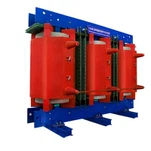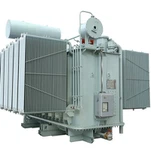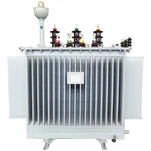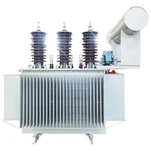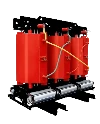


Natural ester insulating oil is a type of dielectric oil derived from natural, plant-based sources such as vegetable oils (e.g., soybean oil, rapeseed oil) or animal fats. It is used in electrical equipment, particularly transformers, as an insulating medium and cooling fluid. Natural ester oils are known for their excellent environmental properties, biodegradability, and improved fire safety compared to traditional mineral oils.
1. Composition of Natural Ester Insulating Oil
Natural ester oils are typically produced by the esterification process, where plant or animal oils (fats) react with alcohols to form esters. The primary components of these oils are fatty acid esters, which contribute to their insulating properties. Common plant sources include:
Soybean oil
Rapeseed oil
Sunflower oil
Palm oil
These oils are refined and processed to meet the specific requirements of electrical insulation, cooling, and operational stability in transformers and other electrical equipment.
2. Advantages of Natural Ester Insulating Oil
Natural ester oils have several key benefits that make them increasingly popular for use in transformers and electrical equipment:
Environmental Friendliness and Biodegradability
One of the most notable advantages of natural ester oils is their high biodegradability. Since they are derived from plant or animal sources, they break down naturally in the environment without causing significant pollution. This makes them an environmentally friendly option, especially in the case of leaks or spills.
Fire Safety
Natural ester oils have a higher flash point and fire point compared to mineral oils. Typically, the flash point of natural ester oils is above 300°C (572°F), making them less flammable and more fire-resistant. This feature enhances safety, especially in high-temperature or fire-risk environments.
Excellent Electrical Insulation
Natural ester oils provide excellent electrical insulating properties, which are essential for the safe and efficient operation of transformers and electrical equipment. Their high dielectric strength ensures effective insulation, preventing electrical breakdown under normal operating conditions.
Thermal Stability and Oxidation Resistance
Natural ester oils exhibit good thermal stability, meaning they can withstand high temperatures without breaking down. They also have strong oxidation resistance, which helps extend the life of the oil and the electrical equipment it is used in. This resistance to oxidation helps maintain the oil's insulating properties over time.
Cooling Performance
Due to their relatively low viscosity, natural ester oils provide effective heat transfer, helping to dissipate the heat generated by electrical losses in transformers and other electrical devices. This efficient cooling capability helps maintain the operational temperature of electrical equipment, enhancing reliability and longevity.
Low Toxicity
Natural ester oils are non-toxic, which makes them safer for both the environment and human health in the event of leaks or spills. This is a significant advantage over mineral oils, which can have toxic effects on ecosystems and water sources if not handled properly.
3. Applications of Natural Ester Insulating Oil
Natural ester insulating oils are used in a wide range of electrical equipment, particularly where high environmental or fire safety standards are required. Their common applications include:
Transformers
Natural ester oils are widely used in power transformers, distribution transformers, and other types of electrical transformers as both an insulating and cooling medium. Their superior fire safety and biodegradability make them an ideal choice for transformers, especially in environmentally sensitive or high-risk areas.
Switchgear and Electrical Equipment
In addition to transformers, natural ester oils are also used in gas-insulated switchgear (GIS), circuit breakers, and other high-voltage electrical equipment where efficient insulation and cooling are necessary.
Environmentally Sensitive Areas
Due to their biodegradability and low toxicity, natural ester oils are particularly well-suited for use in sensitive environments such as near rivers, forests, or urban areas where leaks could cause significant environmental damage.
4. Limitations of Natural Ester Insulating Oil
Despite their numerous advantages, natural ester oils have some limitations that may affect their use in certain applications:
Higher Cost
Natural ester oils tend to be more expensive than traditional mineral oils due to the cost of raw materials (plant or animal fats) and the processing required to refine them. This can make them less cost-effective in large-scale or low-budget applications.
Poor Low-Temperature Performance
Natural ester oils have lower fluidity at lower temperatures compared to mineral oils, which may impact their performance in very cold climates. To mitigate this, certain additives or modifications may be necessary to improve low-temperature performance.
Water Absorption
Natural ester oils are more prone to absorbing moisture from the environment, which can degrade the oil's electrical insulating properties. It is essential to prevent moisture contamination in transformers using natural ester oils to maintain their performance.
5. Standards for Natural Ester Insulating Oil
Natural ester oils must meet certain industry standards to ensure they are suitable for use in electrical equipment. These standards define the oil's electrical, physical, and chemical properties to ensure safe and reliable operation. Key standards include:
IEC 60296: This international standard outlines the requirements for unused mineral insulating oils, including ester-based oils for use in transformers and switchgear.
IEEE C57.91: A standard for the temperature rise and thermal performance of transformers, which includes guidance on insulating oils.
ASTM D6871: This standard from ASTM International outlines the requirements for natural ester oils used in electrical equipment.
6. Conclusion
Natural ester insulating oil offers a range of benefits, including environmental sustainability, fire safety, and excellent electrical insulating properties, making it an increasingly popular alternative to traditional mineral oils in transformers and electrical equipment. While it may have some limitations, such as higher costs and poorer low-temperature performance, its advantages in terms of safety and environmental impact make it a valuable option in many applications, particularly in sensitive or high-risk environments. Regular maintenance and careful management of moisture levels are essential to ensure that natural ester oils continue to perform effectively in the long term.