

1. Equipment and material preparation
Transformers should be equipped with nameplates. The nameplate should indicate the manufacturer's name, rated capacity, primary and secondary rated capacity, primary and secondary rated voltage, current, impedance, voltage, and wiring group and other technical data. The capacity, specifications, and model of the transformer must meet the design requirements. The accessories and spare parts are complete, and there are factory certificates and technical documents. Section steel: Various specifications of section steel should meet the design requirements and have no obvious corrosion. Bolts: Except for anchor bolts and shock absorber bolts, galvanized bolts should be used, and corresponding flat washers and spring washers should be provided. Other materials such as welding electrodes, anti rust paint, and mixed paint should meet the design requirements and have product certification.
2. Main equipment
Handling and hoisting equipment: truck crane, truck, winch, suspension chain, three-step scaffolding, track timber, steel wire rope, belt rope, roller bar; Installation equipment: bench drill, grinding wheel, welding machine, gas welding tool, hammer, vise, adjustable wrench, chuck, threading plate; Testing equipment: steel tape measure, steel ruler, level ruler, plumb bob, shake meter, multimeter, bridge and testing instruments.
3. Working conditions
The construction drawings and technical data are complete and accurate; The basic construction of civil engineering has been completed.
4. Operation process
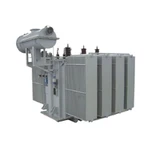
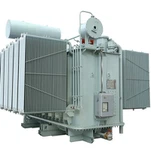
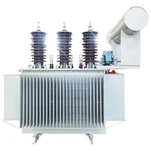
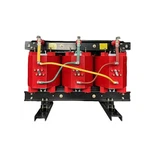
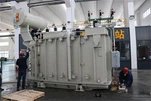
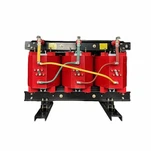
Equipment point inspection: Equipment point inspection should be carried out jointly by the installation unit, the supply unit, and representatives from the construction unit, and records should be kept. According to the equipment list, construction drawings, and equipment technical documents, verify whether the specifications and models of the transformer body and accessory spare parts meet the requirements of the design drawings. Whether it is complete, whether there is any loss or damage. The appearance inspection of the transformer body shows no damage or deformation, and the paint is intact without any damage. Check for damage, defects, and cracks in insulated porcelain and epoxy resin castings. The secondary handling of transformers should be carried out by crane operators with the cooperation of electricians. It is best to use a car crane for lifting, or a suspension chain for lifting. When transporting transformers, attention should be paid to protecting the porcelain bottles. It is best to cover the high and low voltage porcelain bottles with cloth boxes or cardboard boxes to prevent damage. During the transportation of transformers, there should be no impact or severe vibration. When using mechanical traction, the traction point should be below the center of gravity of the transformer to prevent tilting. The transportation tilt angle should not exceed 15 ° to prevent internal structural deformation. Before handling or loading/unloading large transformers, the direction of the high and low voltage sides should be checked to avoid difficulties in changing directions during installation.
Stable installation of transformer: The transformer can be directly thrown into the transformer room by a truck crane, or a temporary track can be set up with wooden blocks. It can be lifted onto the temporary track by a three-step crane and a suspension chain, and then pulled into a suitable position inside the room by the suspension chain. When the transformer is in place, attention should be paid to ensuring that its orientation and distance from the wall are consistent with the drawing, with an allowable error of ± 25mm. If there is no annotation on the drawing, it should be positioned longitudinally according to the track, with a horizontal distance from the wall not less than 800mm and a distance from the door not less than 1000mm.
Attachment installation; The content of transformer handover test: measuring the DC resistance of the coil together with the bushing; Check the transformation ratio of all tap changer transformers; Check the wiring group of the three-phase transformer and the polarity of the single transformer lead out line; Measure the insulation resistance of the coil and sleeve together; Perform AC withstand voltage test on the coil together with the sleeve. Inspection before transformer power transmission: A comprehensive inspection should be conducted before the trial operation of the transformer power transmission to confirm that it meets the trial operation conditions before it can be put into operation. Before the trial operation of the transformer, it must be inspected and qualified by the quality supervision department.
Inspection content before transformer trial operation: All handover test documents are complete and the data meets the requirements; The transformer should be cleaned and wiped clean, with no debris left on the top cover, and the body and accessories should be undamaged; The phase of the primary and secondary leads of the transformer is correct and the insulation is good; Good grounding wire; The ventilation facilities have been installed and are working normally; Hang the signboard and lock the door.