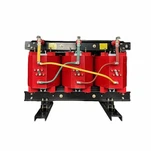


Which Transformer is Actually Better? Dry Type vs. Oil Immersed: A Reality Check for Procurement Teams
Last Tuesday, a phone call from a data center contractor in Dallas reminded me why I love-and sometimes hate-the transformer business. He had a 2500 kVA unit spec'd for a tight basement vault. His problem? The budget guy wanted an oil-filled unit to save $15k, but the fire marshal was already threatening to pull the occupancy permit. This isn't just a technical spec sheet debate. It's a real-world clash between short-term savings and long-term facility survival.
 If you're weighing dry type vs oil immersed transformer options, forget the marketing brochures for a second. Let's talk about what actually happens after the unit arrives at your site.
The "Grandfather" Tech vs. The Resin Reality
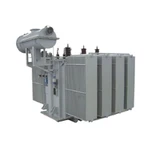
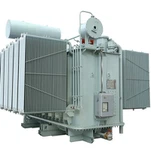
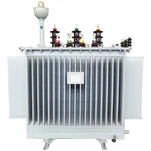
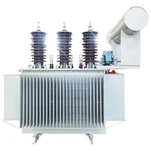
Oil-immersed transformers are the industry's old guard. They've been around since the grid was born, and honestly, they're hard to beat for raw reliability in outdoor utility substations. The design is simple: put the core and coils in a tank of mineral oil. The oil keeps things cool and prevents sparks. But there's a kicker-oil is flammable. In a high-voltage fault, that tank isn't just a container; it's a potential fuel source.
That's why the cast resin transformer exists. We don't use fluid. Instead, we encapsulate the windings in solid epoxy resin under a vacuum. No leaks, no fire walls needed, and it's essentially self-extinguishing. For high-rise buildings, hospitals, or data centers, the 'extra cost' of a dry-type unit is really just an insurance policy against your building burning down.
Reality Check: The Maintenance Myth
I often hear sales reps say dry transformers are 'maintenance-free.' That's a lie. Nothing in a power room is maintenance-free. But the tasks are different. With a dry-type unit, you're mostly fighting dust. You shut it down once a year, blow out the vents, and tighten some bolts. Done.
Now, look at the oil side. You've got oil sampling, Dissolved Gas Analysis (DGA), gasket leaks at the radiators, and the constant fear of moisture ingress. For a remote utility pole, that's fine. For a facility manager with a skeleton crew? It's a headache. When we talk about total cost of ownership, the labor hours spent on oil testing over 20 years usually eat that initial $15k saving by year seven.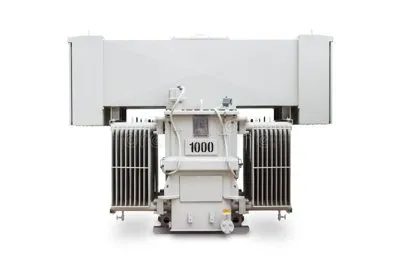
Efficiency & The Environment
Let's be honest about transformer efficiency. Oil is a better heat conductor than air. Always has been. So, oil transformers are naturally better at keeping cool in tight footprints. However, following DOE 2024 standards, the playing field is now level. At Ryan Electric, we use laser-cut high-grade silicon steel to pull the same efficiency numbers out of our dry-type units. The environment part is simpler: if a dry unit cracks, you fix it. If an oil unit cracks near a drain, you call the EPA and start writing million-dollar checks.
Fire Safety: The Non-Negotiable
 For our North American clients, fire safety is usually where the conversation ends. Insurance underwriters are getting aggressive. We've seen premiums jump 15% just for having oil-filled gear inside a facility. According to the IEEE Power & Energy Society, risk mitigation starts at the design phase. If you're building a commercial basement or a parking garage substation, don't even look at oil. The savings aren't worth the structural liability.
Which one should you pick? If it's going in a field, go with oil. If it's going near people or expensive equipment, go with dry-type. Still not sure? Send us your floor plan and your load requirements. Our engineers at Ryan Electric have been solving these spatial and thermal puzzles for 17 years. We'll give you a straight answer, not a sales pitch. Get your technical quote today.