

What is a dry type transformer used for?

Introduction: Beyond the Liquid Horizon
In the rapidly evolving landscape of 2026, the demand for safe, reliable, and environmentally friendly power distribution has reached an all-time high. For modern data centers, high-rise urban developments, and high-tech manufacturing plants, the era of compromise is over. These facilities are increasingly turning their backs on traditional oil-filled units in favor of advanced dry-type technology. But the real question remains: as a project lead or procurement manager, what is a dry type transformer used for, and why is it becoming the non-negotiable standard for indoor substation infrastructure?
At Ryan Electric, from our 120,000㎡ facility in Jiangsu, we've witnessed a massive shift in how global industries approach power safety. We aren't just a dry type transformer manufacturer; we are partners in building infrastructure that doesn't just work-it stays safe. This guide dives deep into the specific use cases and technical justifications that define dry-type technology today.
What is a dry type transformer used for? (PAA Core Insights)
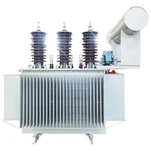
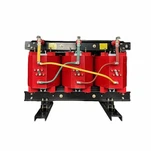
The primary use case for a dry-type transformer is any environment where fire safety and environmental impact are top priorities. Unlike liquid-filled units, dry-type transformers use air for cooling rather than mineral oil. This simple fact makes them the only logical choice for an indoor substation transformer. By removing flammable oil from the equation, you eliminate the need for expensive fire suppression systems and environmental containment pits.
Data Centers: The Pulse of the Digital Age
In a data center, downtime is measured in thousands of dollars per second. These facilities require extremely clean, stable power in a compact footprint. Dry-type units, specifically those built to IEC 60076-11 standards, provide the high reliability and low noise levels necessary for high-density computing environments. They can be placed closer to the load, reducing cable losses and improving overall facility efficiency.
Cast Resin vs. Open Ventilated: The Technology Debate

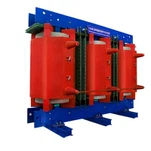
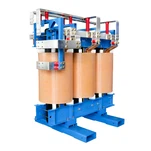
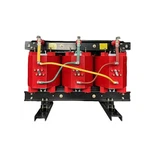
When discussing dry technology, you will often encounter the cast resin transformer vs dry type (open ventilated) debate. Open ventilated units rely on air circulation through the windings, which makes them cheaper but vulnerable to moisture and dust. Cast resin transformers, however, have their windings vacuum-encapsulated in epoxy resin. This encapsulation makes them virtually impervious to environmental contaminants and humidity-a critical feature for coastal projects or industrial plants with heavy dust loads. At Ryan, we almost exclusively recommend cast resin for high-stakes urban and industrial infrastructure.
Safety and Sustainability: Why Indoors Prefer Dry Type?
Sustainability isn't just a buzzword; it's an engineering requirement. As a proud Eaton partner, we focus on Class H insulation (180°C) as our baseline. Because there is no oil to leak, dry-type transformers are the preferred choice for ESG-conscious projects. They are self-extinguishing and do not release toxic gases during a fault. For high-rise buildings and hospitals, where evacuation is complex, this 'safe-fail' characteristic is the reason dry-type units are the only permitted technology in many local building codes.
Reliability: Your Dry type transformer maintenance checklist
Marketing brochures often claim dry-type units are 'maintenance-free.' As a dry type transformer manufacturer with decades of field experience, we prefer to call them 'low maintenance.' To reach that 30-year lifespan, you need a dry type transformer maintenance checklist. At a minimum, this includes: monthly visual inspections of air gaps, annual infrared thermography to catch hot spots, and checking terminal torques. Dust is the enemy of dry-type units-keeping the airflow clear is the single most important thing you can do for reliability.
 FAQ: What People Also Ask
How long does a dry type transformer last?
In a clean, temperature-controlled environment with proper maintenance, a high-quality dry-type unit will easily last 25 to 30 years. The insulation system is the heart of the transformer; once the resin or paper degrades due to excessive heat, the unit's life is over. That's why we emphasize not overloading the unit beyond its nameplate rating.
Are dry type transformers better than oil filled?
It depends on the application. For outdoor rural grids, oil-filled units are hard to beat on cost. But for indoor, high-density, or environmentally sensitive applications, dry-type is undeniably better. It's about choosing the right tool for the job.
Conclusion: The Future is Dry
As we look toward smarter, greener grids, the role of the dry-type transformer will only grow. Whether you are upgrading an existing facility or designing a new landmark, understanding the engineering behind these units is the first step toward a resilient power network.
Looking for an engineering-first partner? Consult with Ryan Electric's technical team today to find the perfect fit for your next indoor power project.