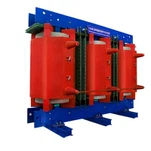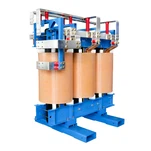


A cast resin transformer is named for its unique construction and insulation method. Here's why it's called that:
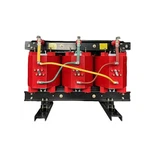
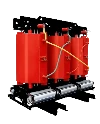
1. Resin Insulation: The transformer's windings are encapsulated in epoxy resin, a thermosetting polymer. This resin provides excellent electrical insulation, mechanical strength, and protection against environmental factors like moisture, dust, and chemicals.
2. Casting Process: The resin is poured or "cast" around the windings and then cured to form a solid, robust structure. This process ensures the windings are securely embedded within the resin, creating a durable and maintenance-free design.
3. Key Features:
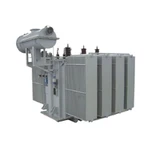
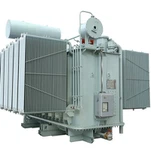
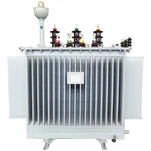
- Dry-Type Transformer: Unlike oil-filled transformers, cast resin transformers are dry-type, meaning they don't use liquid for cooling or insulation.
- Safety and Environmental Benefits: The absence of oil eliminates the risk of leaks, fires, or environmental contamination, making them safer and more eco-friendly.
In summary, the name "cast resin transformer" reflects its construction method (casting) and the use of resin as the primary insulating material.