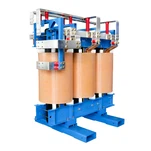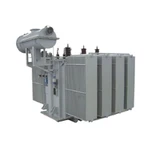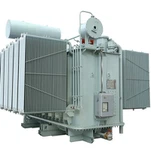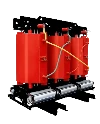


Transformers play a crucial role in power systems by facilitating the efficient transmission and distribution of electrical energy. Their primary functions include:
1. Voltage Transformation:
- Step-Up Transformers: Increase voltage levels for long-distance transmission, reducing energy losses (I²R losses) by lowering current.
- Step-Down Transformers: Decrease voltage levels to safer, usable levels for distribution to homes, businesses, and industries.
2. Impedance Matching:
- Transformers help match the impedance between different stages of the power system, optimizing power transfer and minimizing reflections.
3. Isolation:
- They provide electrical isolation between primary and secondary circuits, enhancing safety and protecting equipment.
4. Power Quality Improvement:
- Transformers help maintain voltage stability and reduce harmonic distortions, contributing to better power quality.
5. System Flexibility:
- They enable interconnection of power systems operating at different voltage levels, facilitating grid integration and flexibility.
6. Efficiency and Reliability:
- Modern transformers are designed for high efficiency and reliability, ensuring minimal energy loss and consistent performance.
In summary, transformers are essential for the efficient, safe, and reliable operation of power systems, enabling the effective generation, transmission, and distribution of electrical energy.