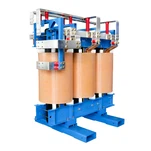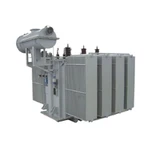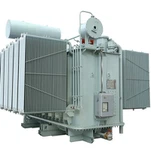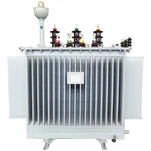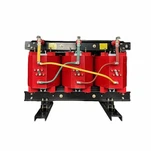


Electrical transformers have oil in them primarily for insulation and cooling purposes. The oil used in transformers is typically mineral oil or silicone-based oil, known as transformer oil or insulating oil.
Here are the main reasons why oil is used in electrical transformers:

01
Insulation
The primary function of the oil is to provide insulation between the transformer's high-voltage and low-voltage windings. The oil acts as a dielectric material, preventing the flow of electrical current between the windings and reducing the risk of short circuits.
02
Cooling
Transformers generate heat during operation due to the electrical losses that occur in the core and windings. The oil helps in dissipating this heat by absorbing it from the core and windings and transferring it to the transformer tank or radiators. The oil's high heat capacity and ability to flow freely aid in efficient heat transfer, preventing overheating of the transformer.
03
Arc suppression
In case of a fault or electrical breakdown within the transformer, such as an internal arc, the oil serves as a medium to extinguish the arc and prevent further damage. The oil's dielectric properties help to quench the arc and interrupt the fault current.
04
Contamination detection
The oil in transformers is monitored for any signs of contamination or degradation. The presence of certain gases (such as methane, ethylene, and acetylene) in the oil can indicate potential faults or problems within the transformer. Regular analysis of the oil sample allows for early detection of issues and maintenance planning.