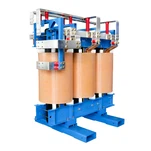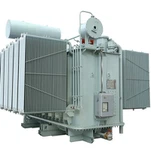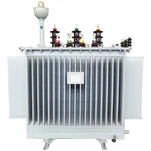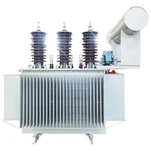


| Feature | VPI (Vacuum Pressure Impregnation) | Cast Resin |
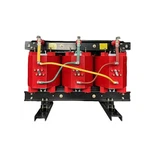
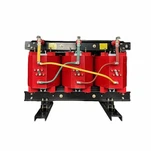
| Insulation Process | Coils are vacuum-impregnated with resin and cured | Windings are fully encapsulated in solid epoxy resin |
| Thermal Performance | Excellent heat dissipation due to better ventilation | Moderate heat dissipation (resin acts as an insulator) |
| Moisture Resistance | Good, but may degrade over time if not sealed properly | Excellent - fully sealed against moisture and humidity |
| Mechanical Strength | Good, flexible insulation | Very high - rigid structure resists vibration and shock |
| Repairability | Easier to repair or rewind | Difficult to repair - often requires complete replacement |
| Size Range | Suitable for a wide range of sizes and power ratings | Best for small to medium-sized machines |
| Environmental Durability | Needs protection in outdoor or harsh environments | Excellent durability in dusty, humid, or corrosive environments |
| Cost | Generally lower initial cost | Higher initial cost due to complex molding and curing |
| Weight | Lighter construction | Heavier due to fully encapsulated resin body |
When to Choose VPI:
- Indoor applications with controlled environments
- Large motors, generators, or transformers
- Where better cooling and efficiency are needed
- When future repair or rewinding is expected
When to Choose Cast Resin:
- Outdoor or harsh environments (e.g., coastal, industrial)
- Where moisture, dust, or corrosive gases are present
- Applications requiring high mechanical strength and minimal maintenance
- Compact installations with space constraints