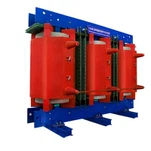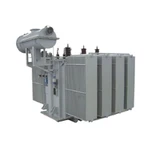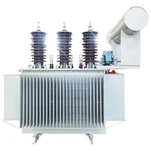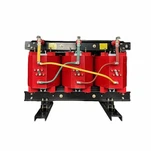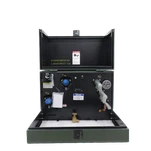


Dry-type transformers are widely used in various applications where safety, environmental concerns, and compact design are priorities. Here are the primary areas and industries where they are used:
1. Commercial Buildings and Real Estate
Office complexes, malls, and hotels: For lighting and HVAC systems.
Hospitals and schools: To power sensitive equipment with minimal risk of fire.
Residential buildings: When electrical infrastructure is installed indoors.
2. Industrial Applications
Factories and manufacturing plants: For operating machinery with low fire risk.
Mining industry: In hazardous locations with high dust levels or explosive gases.
Data centers and server farms: Reliable power supply for critical IT systems.
3. Renewable Energy and Utilities
Solar and wind power systems: For stepping up or down voltages.
Substations in urban areas: Where environmental and fire safety is critical.
4. Marine and Offshore Applications
Ships, oil platforms, and marine vessels: For powering onboard equipment, as they are moisture-resistant and compact.
5. Sensitive Environments
Airports and railways: To ensure stable power for communication systems and transportation.
Laboratories and research centers: Powering equipment with minimal noise and interference.
Why Use Dry-Type Transformers?
Fire Safety: No oil used, reducing the risk of fire.
Low Maintenance: No need for oil checks or refills.
Eco-friendly: No risk of oil leakage, making them suitable for environmentally sensitive areas.
Compact Design: Easily installed indoors.
Moisture Resistance: Suitable for high-humidity areas.
These qualities make them a popular choice in both urban and industrial settings where safety, reliability, and efficiency are essential.