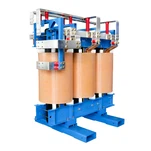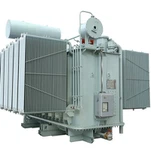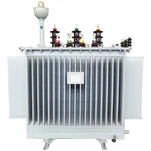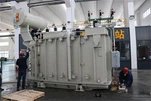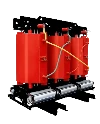


A dry-type transformer works by using the principles of electromagnetic induction to step up or step down voltage levels, similar to oil-filled transformers, but without the need for liquid cooling or insulation. Here's a breakdown of how it works:
Basic Working Principle
The dry-type transformer consists of three main parts:
Primary winding
Secondary winding
Magnetic core
These components interact through electromagnetic induction:
Primary Winding: When an alternating current (AC) flows through the primary winding, it generates a magnetic field.
Magnetic Core: The magnetic core, typically made from laminated steel, helps concentrate and guide the magnetic field generated by the primary winding. This core enhances the efficiency of transferring energy between the primary and secondary windings.
Secondary Winding: The magnetic field from the core induces a voltage in the secondary winding. The voltage level on the secondary winding is proportional to the number of turns in the coil compared to the primary winding, which allows the transformer to step up or step down the voltage.
For example:
Step-up transformer: More turns in the secondary winding than the primary, which increases the output voltage.
Step-down transformer: Fewer turns in the secondary winding, which decreases the output voltage.
Key Features of Dry-Type Transformers
Air Cooling: Dry-type transformers rely on air to cool the windings, rather than oil or another liquid. Natural or forced air flow removes the heat generated during operation. For higher capacities, cooling fans may be used to circulate air and maintain safe operating temperatures.
Insulation Materials:
Epoxy resin or varnish: The windings are coated with these insulating materials, which provide electrical insulation and protect the windings from moisture, dust, and contaminants.
Cast Resin Transformers: Some dry-type transformers use cast resin insulation, where the windings are encapsulated in solid resin, providing even greater resistance to environmental factors.
Voltage Transformation: The transformer steps up or steps down voltage levels depending on the application. This transformation is done without a direct electrical connection between the primary and secondary windings (isolation), making it safer for indoor and sensitive installations.
Advantages of Dry-Type Transformers
Safety: Since they don't use oil for cooling, the risk of fire and explosion is minimized.
Eco-friendly: No risk of oil spills or leaks, making them suitable for environmentally sensitive areas.
Low Maintenance: No oil means less maintenance related to leakage or contamination.
Indoor Use: Ideal for indoor applications where space is limited or safety is critical.
In summary, dry-type transformers work by using electromagnetic induction with air cooling, making them a reliable and safe option for many industrial, commercial, and residential applications.