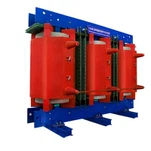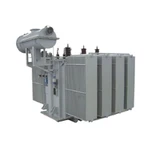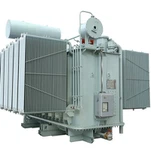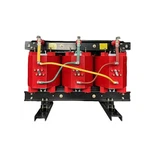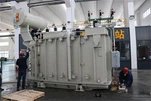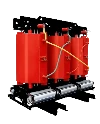


Dry-type transformers are used in locations where safety, fire resistance, low maintenance, and environmental concerns are critical. Because they don't use oil (no risk of oil leaks or fire hazards), they are ideal for many sensitive or public applications.
Here are the main places where dry-type transformers are commonly used:
1. Commercial Buildings
Shopping malls, hospitals, airports, hotels, and office complexes
Used indoors close to loads to minimize cable losses
Fire-resistant and low noise levels are critical
2. Industrial Facilities
Chemical plants, manufacturing plants, refineries
Suitable for dirty, dusty, or corrosive environments with protective enclosures
3. Underground and Subsurface Installations
Subways, tunnels, basements
No oil means reduced fire and explosion risk
4. Renewable Energy
Wind turbine towers and solar power plants
Handle variable and harsh conditions
5. Schools and Universities
Campuses, laboratories, and classrooms
Quiet operation and high safety standards
6. Marine and Offshore Applications
Ships, oil platforms, ports
Resistant to moisture and salt-laden environments (with proper enclosures)
7. Data Centers
Server farms and tech infrastructure
Critical for clean, reliable, and safe power supply with minimal fire risk
8. Residential Areas
High-rise apartments, gated communities
Safe to install indoors or close to buildings
🔹 Summary:
Dry-type transformers are preferred indoors, in fire-sensitive, high-reliability, and low-maintenance environments - basically where safety, environmental protection, and durability are important.