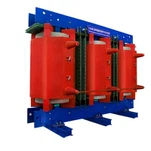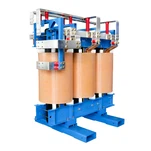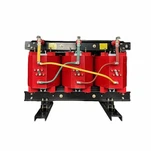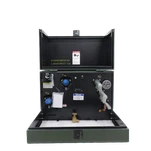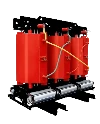


The requirements for a dry-type transformer cover several areas to ensure safe, reliable, and efficient operation. These requirements typically fall under design standards, installation practices, and operational needs.
Here's a clear breakdown:
1. Electrical Requirements
Rated Voltage: Primary and secondary voltages must match the system (e.g., 11kV/415V).
Rated Power Capacity: (e.g., 500 kVA, 2000 kVA) suitable for the connected load.
Frequency: Typically 50 Hz or 60 Hz depending on the country.
Insulation Class: (Class F, H, etc.) appropriate for ambient conditions and load.
Temperature Rise Limits: (e.g., 80°C or 115°C) according to standards.
Impedance Voltage: Must be suitable to limit short-circuit currents.
2. Mechanical Requirements
Enclosure Rating: (e.g., IP23, IP54) based on location - indoor, outdoor, dusty, or wet areas.
Cooling Type: Natural air-cooled (AN) or Forced air-cooled (AF).
Accessibility: Easy for maintenance, inspection, and replacement.
3. Safety Requirements
Fire Resistance: Non-flammable materials; must meet fire safety codes.
Overtemperature Protection: Sensors like PT100 or thermistors.
Short-Circuit Strength: Must withstand mechanical forces during faults.
Grounding: Proper grounding of the core, frame, and neutral (if applicable).
4. Environmental Requirements
Ambient Temperature: Typically -20°C to +40°C without performance derating.
Altitude: Standard ratings up to 1000 meters; derating required for higher altitudes.
Humidity Resistance: Especially important for tropical areas (may require heaters or special coatings).
5. Standards and Certifications
IEC 60076-11 (for dry-type power transformers)
IEEE C57.12.01 (for dry-type transformers in the U.S.)
UL Listed (for certain installations)
ANSI/IEEE, NEMA compliance depending on region
🔹 In short:
A dry-type transformer must meet electrical load needs, be safe, resist environmental conditions, and comply with international or national standards for quality and performance.