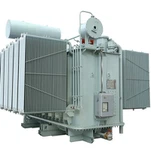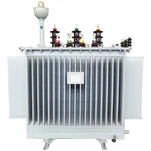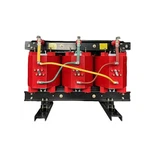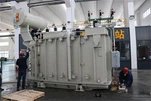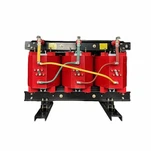


Power transformers used in substations are typically oil-filled transformers. They consist of primary and secondary windings wound around a core made of high permeability material like iron or steel.
Here are some key points about power transformers used in substations:
- Cooling System: Power transformers are often oil-immersed for cooling purposes. The oil helps dissipate heat generated during operation, ensuring the transformer operates within safe temperature limits.
- Insulation: Insulation is crucial in power transformers to prevent electrical breakdown. Materials such as paper, pressboard, and oil are used for insulation between the windings and around the conductors.
- Tap Changers: Some power transformers are equipped with tap changers to adjust the turns ratio and regulate the output voltage to compensate for fluctuations in the input voltage or load.
- Bushings: Bushings are used to connect the transformer windings to external circuits, providing electrical insulation and supporting the current-carrying conductors.
- Monitoring and Protection: Power transformers are equipped with monitoring and protection devices to ensure safe operation. These may include temperature sensors, pressure relief devices, and Buchholz relays for detecting internal faults.
- Efficiency: Power transformers are designed for high efficiency to minimize energy losses during voltage conversion and transmission.
- Maintenance: Regular maintenance, including oil testing, insulation resistance checks, and thermal imaging, is essential to ensure the reliable operation of power transformers in substations.
Power transformers are critical components of electrical substations, facilitating the efficient transmission and distribution of electricity from power plants to consumers.