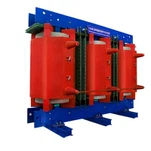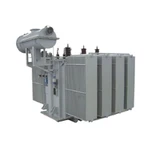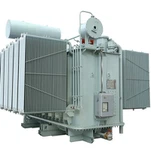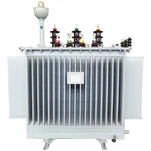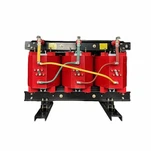


Partial Discharge (PD) in transformers refers to a phenomenon where localized dielectric breakdown occurs in a small portion of the insulation system under high voltage stress. These discharges do not bridge the electrodes but occur only in areas of insulation weaknesses. PD is typically very weak and cannot be detected by human senses, requiring specialized measurement equipment.
Causes of Partial Discharge in Transformers
The causes of partial discharge in transformers are multifaceted, encompassing several aspects:
1. Insulation Material and Structure:
Defects such as bubbles, impurities, and cracks: These defects impair the insulation performance of the material, leading to partial discharge.
Lower dielectric constant of bubbles: Bubbles endure higher electric field strength compared to the adjacent insulation material, making them more susceptible to breakdown and discharge.
Unreasonable insulation structure design: Excessive interlayer or turn field strength in dry-type transformers due to poor design can cause partial discharge.
Sharp edges and burrs: Insulating and metallic components with sharp edges or burrs can cause local electric field concentration, triggering partial discharge.
2. Operational Factors:
Long-term operation and load variations: These factors lead to aging and wear of the transformer's internal insulation materials, reducing their insulating properties and causing partial discharge.
Overvoltage: Overvoltage in the power system, caused by external factors (like lightning) or internal factors (like switching operations), can exceed the breakdown voltage of materials, leading to partial discharge.
3. Installation and Process Factors:
Inadequate manufacturing processes: Poor vacuum control during drying, inadequate drying time, and temperature requirements can leave residual gas in the coils.
Installation damage: Insulation may be damaged during installation, or long idle periods may increase the moisture content in insulation materials, affecting discharge levels.
Improper winding and assembly processes: Issues such as burrs on high and low voltage leads or improper distances during assembly can affect partial discharge levels.
Hazards of Partial Discharge
Although partial discharge in transformers is localized and weak, it poses significant long-term hazards, primarily through the damage to insulation materials:
1.Direct damage to insulation: Continuous partial discharge gradually erodes the insulation, potentially leading to complete breakdown over time. Electrochemical effects produce reactive gases like ozone and nitric oxide, further corroding the insulation.
2. Local heating: Partial discharge generates heat, which can increase the local temperature of the dielectric, even causing carbonization.
Detection Methods for Partial Discharge
Detection methods for partial discharge generally include electrical, ultrasonic, and chemical techniques:
1. Electrical Methods: Utilizing oscilloscopes, partial discharge detectors, or radio interference meters to observe discharge waveforms or radio interference levels.
2. Ultrasonic Methods: Detecting ultrasonic waves generated by discharge and converting these waves into electrical signals for analysis.
3. Chemical Methods: Analyzing the content and variation patterns of various gases dissolved in oil, commonly known as "chromatographic analysis."
Preventive Measures for Partial Discharge
To avoid the hazards of partial discharge, several preventive measures can be taken:
1.Selecting high-quality insulation materials.
2. Regular inspection and maintenance: Timely replacement of aged and severely worn components.
3. Installing overvoltage protection devices: To detect and suppress overvoltage conditions.
4. Installing temperature monitoring devices: Regularly checking temperature changes on the transformer's surface.
These measures effectively prevent and mitigate the occurrence of partial discharge, ensuring the safe and stable operation of transformers.