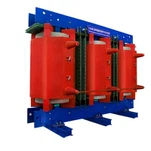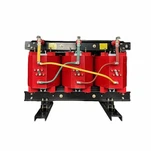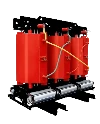


The winding direction refers to the direction in which the transformer windings are wound. The winding direction can affect the electrical performance and working principle of the transformer. There are two common types of winding directions:
Clockwise Winding:
Clockwise winding means the coil is wound starting from one end of the winding and proceeds in a clockwise direction. For the same winding, this direction is typically referred to when observing the end face of the coil.
Clockwise winding is often represented as "C" or marked with "clockwise" in diagrams.
Counterclockwise Winding:
Counterclockwise winding means the coil is wound starting from one end of the winding and proceeds in a counterclockwise direction. Counterclockwise winding is generally represented as "CC" or marked with "counterclockwise" in diagrams.
The choice of winding direction is very important for the working principle of the transformer, especially in the design of multi-winding or parallel transformers. The winding direction affects the electromagnetic coupling, phase relationship, and load sharing between different windings. It is typically essential to ensure that the windings of the same phase are wound in the same direction to maintain the correct phase relationship and electrical balance in the transformer.
Effects of Winding Direction on Transformers:
Phase Relationship: The winding direction directly affects the phase of the transformer. If two windings have opposite directions, their phase difference may not match the requirements, leading to improper transformer operation.
Current Direction: The winding direction determines the direction of current flow. Reverse winding directions can cause mismatched phase currents, affecting power transfer within the system.
Parallel Operation: For transformers operating in parallel, the winding directions must be consistent. If the directions are not matched, it can result in short circuits or uneven current distribution between the transformers.
Therefore, the selection of winding direction is crucial in transformer design and manufacturing, and it must be strictly controlled and standardized to ensure the transformer operates correctly and safely.