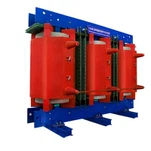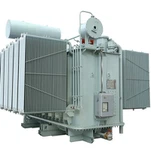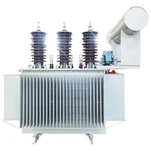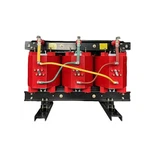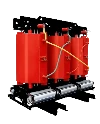


The production process of a transformer, including 3-phase pad-mounted transformers, involves multiple steps to ensure high efficiency, durability, and compliance with standards. Below is an outline of the key stages in the transformer manufacturing process:
1. Design and Engineering
Requirements Analysis: Determine the voltage, power rating, and application specifications.
Core Design: Choose the core material (usually silicon steel) and optimize the geometry for minimal energy losses.
Winding Design: Define the type, size, and arrangement of windings (copper or aluminum) to achieve desired electrical characteristics.
2. Core Manufacturing
Material Selection: High-grade electrical steel is cut into thin sheets.
Core Cutting: Use precision tools or lasers to cut the steel sheets into required shapes.
Lamination: Stack the sheets to form a laminated core, reducing eddy current losses.
Core Assembly: Assemble the core to form the magnetic pathway.
3. Winding
Material Preparation: Copper or aluminum conductors are insulated.
Winding Process: Coil the conductors using automated winding machines. Different winding configurations (e.g., layer, disk, or helical) may be used based on design.
Insulation: Apply insulation layers between windings to prevent short circuits.
4. Assembly
Mounting Windings on Core: Position the wound coils onto the core and secure them.
Lead Connection: Connect winding leads to bushings or terminals for external connections.
Insulation and Bracing: Use insulation and mechanical supports to protect the assembly and withstand mechanical stresses.
5. Tank and Enclosure Preparation
Tank Fabrication: Manufacture and weld the transformer tank (for liquid-filled transformers) or housing (for dry-type transformers).
Surface Treatment: Apply anti-corrosion coatings to protect against environmental factors.
Accessories Installation: Attach radiators, bushings, pressure relief devices, etc.
6. Vacuum Drying and Oil Filling (For Oil-Filled Transformers)
Vacuum Drying: Place the core-coil assembly in a vacuum oven to remove moisture.
Oil Filling: Fill the tank with dielectric oil under vacuum conditions to avoid air pockets and moisture.
7. Testing
Electrical Tests: Perform tests like winding resistance, turn ratio, and impedance checks.
Dielectric Tests: Test insulation strength under high voltages.
Thermal Tests: Measure heat dissipation and cooling performance.
Load Tests: Evaluate transformer behavior under simulated operating conditions.
8. Finishing
Sealing: Seal the transformer tank to ensure leak-proof operation.
Painting: Apply a protective paint layer for corrosion resistance.
Labeling: Add identification plates with specifications, ratings, and certifications.
9. Quality Assurance
Perform a final inspection to ensure compliance with standards like ANSI, IEC, or customer-specific requirements.
10. Packaging and Delivery
Packaging: Protect the transformer with suitable materials to prevent damage during transport.
Shipping: Use specialized transportation methods for large transformers.
This process may vary slightly depending on the transformer type (e.g., dry-type vs. oil-filled) and specific manufacturer practices.