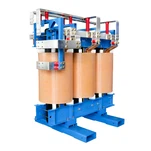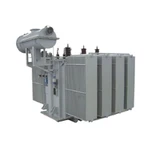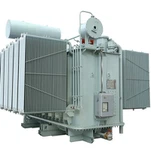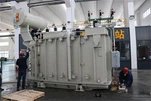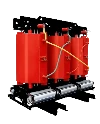


Installing a dry-type transformer requires careful planning and adherence to safety standards to ensure efficient operation and longevity. Here's a step-by-step guide for the installation process:
1. Pre-Installation Planning
- Inspect the Transformer:
- Verify that the transformer is free of physical damage.
- Check the nameplate for correct ratings and compatibility with your system.
- Site Preparation:
- Choose a clean, dry, and well-ventilated location.
- Ensure the site has a firm, level foundation to support the transformer's weight.
- Maintain clearance as per manufacturer recommendations for proper airflow and maintenance access.
2. Positioning the Transformer
- Transport Safely:
- Use appropriate equipment (e.g., forklifts, cranes) to move the transformer without causing damage.
- Mounting:
- Place the transformer on a non-flammable and vibration-resistant base, such as concrete or rubber pads.
- Use anti-vibration mounts if required, especially for indoor installations.
3. Electrical Connections
- Grounding:
- Connect the transformer's ground terminal to the facility's grounding system according to local electrical codes.
- Primary Connections:
- Connect the input cables to the primary terminals. Ensure proper torque is applied to terminal bolts.
- Check phase sequence and voltage levels.
- Secondary Connections:
- Connect the output cables to the secondary terminals. Verify polarity and phase alignment.
- Cable Management:
- Secure cables to prevent mechanical strain on the terminals.
4. Ventilation
- Ensure the transformer has adequate airflow:
- Keep air inlets and outlets unobstructed.
- Follow manufacturer-specified clearance distances from walls or other equipment.
5. Safety Checks
- Insulation Resistance Test:
- Test the insulation resistance of windings using a megohmmeter to confirm proper insulation levels.
- Polarity and Phase Testing:
- Verify the correct polarity and phase sequence of windings.
- Torque Check:
- Re-check all bolted connections to ensure they are secure.
6. Energizing the Transformer
- Initial Power-Up:
- Energize the transformer without load for a short time to verify no abnormal noises or overheating.
- Measure input and output voltages to ensure proper operation.
- Load Connection:
- Gradually connect the load and monitor transformer performance (e.g., temperature, voltage, and current).
7. Final Inspection
- Confirm all safety devices (e.g., temperature sensors, alarms) are operational.
- Attach any required labels or warning signs.
- Document the installation details and test results for future reference.
8. Maintenance Plan
- Schedule periodic inspections to clean vents, check connections, and test insulation resistance.