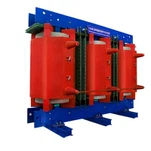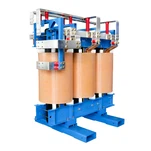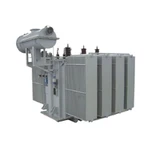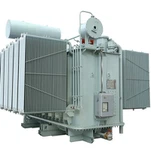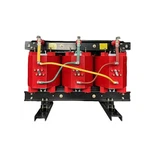


The quality of the wire has a significant impact on the transformer, as it directly affects the transformer's performance, efficiency, and lifespan. Here are some of the ways in which wire quality can affect a transformer:
Conductivity:
The conductivity of the wire determines the efficiency of current transmission within the transformer. High-quality wires typically use copper or aluminum with higher purity, ensuring lower resistance and reducing energy losses. Wires with low conductivity will have higher resistance, leading to greater power loss and decreased transformer efficiency.
Thermal Stability:
The thermal stability of the wire affects the transformer's heat dissipation performance. High-quality wires usually have better resistance to high temperatures and are less prone to overheating and insulation breakdown under long-term high-load operation. Poor-quality wires may cause excessive temperature rise, leading to insulation damage or even fire hazards.
Mechanical Strength:
The mechanical strength of the wire directly affects the transformer's stability and durability. High-quality wires generally have higher tensile strength and resistance to vibration, allowing them to withstand the mechanical stress generated during transformer operation. Poor-quality wires are more likely to break or fatigue, potentially causing internal transformer faults.
Insulation Performance:
The quality of the insulation layer on the wire is crucial for the transformer's safety. High-quality insulation materials effectively prevent short circuits between wires and reduce the risk of ground faults. Poor-quality wires may have inadequate insulation, leading to short circuits, ground faults, or transformer breakdown.
Anti-Oxidation Performance:
The ability of the wire to resist oxidation is another factor that impacts transformer performance. High-quality wires are often treated with coatings, such as tinning, silver plating, or other protective layers, to prevent oxidation, which can increase resistance. Oxidation of wires can raise contact resistance, reducing conductivity and transformer efficiency.
Lifespan and Reliability:
High-quality wires ensure the transformer operates stably over time and reduces the frequency of faults. Poor-quality wires can cause unstable current conduction, frequent breakdowns, or require maintenance, affecting the transformer's lifespan and reliability.
Electromagnetic Interference Resistance:
The wires in a transformer also need to have some level of electromagnetic interference resistance. High-quality wires are typically designed and manufactured with electromagnetic compatibility in mind, reducing the impact of external interference on transformer performance. Poor-quality wires may result in inadequate electromagnetic shielding, which could affect the transformer's operational stability.
In summary, the quality of the wire directly influences the transformer's electrical performance, thermal stability, mechanical strength, insulation effectiveness, and long-term reliability. Therefore, selecting and using high-quality wire materials is essential when designing, manufacturing, and maintaining transformers to ensure their safe, efficient, and stable operation.