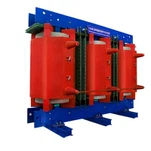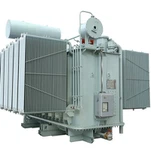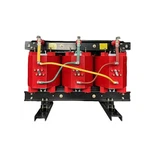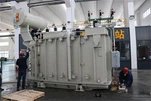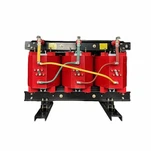


Creepage Distance in the context of transformers refers to the shortest path along the surface of an insulating material that an electrical current would travel in the event of a fault or electrical leakage. It is the physical distance over the insulating surface between conductive parts (such as windings, metal parts, etc.) that need to be electrically insulated from each other, to avoid breakdown or flashover due to high voltage.
The creepage distance is a critical factor in ensuring the insulation integrity of the transformer, especially in high-voltage transformers where high voltage gradients can cause insulation failure if the creepage distance is too short.
Key Points about Creepage Distance in Transformers
Creepage vs. Clearance:
Creepage distance refers to the distance along the surface of the insulation, such as along the body of the transformer or along the external insulating materials.
Clearance distance refers to the shortest air gap between two conductive parts (usually between live parts and grounded parts).
Both are essential for the transformer's design, especially in high-voltage environments, to ensure that the insulation can withstand the electrical stress and prevent breakdowns or arcing.
Factors Affecting Creepage Distance:
Voltage Level: The higher the voltage, the greater the creepage distance required to prevent flashover or electrical leakage. This is because high voltage creates higher electrical stress on the insulation.
Pollution Degree: Environmental factors like humidity, dust, and pollution can degrade the insulation's effectiveness. In polluted environments, the creepage distance must be longer to compensate for the potential conductive paths formed by dirt or moisture on the surface.
Insulation Material: The type of insulation material used (e.g., porcelain, epoxy, silicone rubber, etc.) also impacts the required creepage distance. Different materials have different dielectric properties and withstand voltage limits.
Climatic Conditions: Transformers installed in high-humidity or high-temperature environments may require longer creepage distances to ensure safe operation over their service life.
Standards for Creepage Distance: There are international standards that govern the minimum creepage distance for transformers. The most commonly referenced standards include:
IEC 60076: This standard provides guidelines for the design, testing, and insulation requirements of power transformers, including creepage distances based on the voltage rating and environmental conditions.
IEC 60815: This standard gives guidelines on the selection of insulation for outdoor electrical equipment, including the necessary creepage distances based on pollution levels.
Formula for Calculating Creepage Distance: The creepage distance is generally determined based on the nominal voltage of the transformer and the pollution degree of the installation environment. While specific calculations may depend on the local standards and the insulation material, a common rule of thumb for high-voltage transformers is:
Creepage Distance=Factor×Nominal Voltage\text{Creepage Distance} = \text{Factor} \times \text{Nominal Voltage}Creepage Distance=Factor×Nominal Voltage
The factor varies depending on the pollution level, material used, and installation environment. For example, under heavy pollution conditions, the creepage distance may need to be 1.5–2 times longer than for a clean environment.
Creepage Distance in Practice: For typical distribution transformers:
At lower voltage levels (e.g., 11 kV), the creepage distance might range from 10 cm to 20 cm.
For higher voltage levels (e.g., 110 kV), the creepage distance could be greater than 1 meter or more, depending on the factors mentioned above.
The specific design of the transformer, including the arrangement of the windings and the type of insulating material used, will also affect the creepage distance