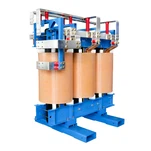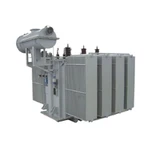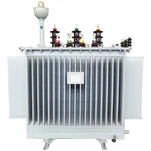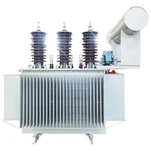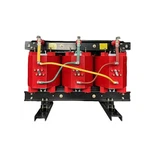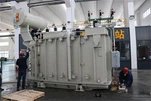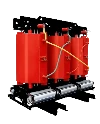


A Voltage Transformer (VT), also commonly called a Potential Transformer (PT), is a specialized instrument transformer designed to accurately measure or monitor alternating current (AC) voltage in high-voltage power systems. Its primary function is to step down a high primary system voltage (e.g., thousands of volts) to a much lower, standardized, and safely measurable secondary voltage, typically 110V, 115V, or 120V AC.
How it Works: Similar to a power transformer but optimized for accuracy, the VT has primary and secondary windings wound on a core. It operates on the principle of electromagnetic induction. The high primary voltage induces a precisely proportional, reduced voltage in the secondary winding, based on the turns ratio (e.g., 1000:1).
Key Characteristics & Importance:
Isolation: Provides vital electrical isolation between the dangerous high-voltage primary circuit and the low-voltage secondary instruments (meters, relays, controls) and personnel.
Accuracy: Designed for high accuracy within specified limits for both measurement (metering) and protection (relaying) applications, ensuring correct system monitoring and control.
Burden: The secondary circuit must be connected to a rated burden (load impedance). NEVER short-circuit a live VT secondary – unlike CTs, this risks overheating and damage. Open-circuit operation is generally safe.
Standardization: Delivers a standardized secondary voltage compatible with common measurement and protection devices.
Applications: VTs are essential for:
Energy metering (billing).
Protective relaying (detecting voltage-related faults like under/overvoltage).
Synchronization of generators.
System voltage monitoring and control.
In essence, VTs enable the safe, accurate, and reliable measurement and protection of electrical power systems by transforming high voltages to safe, usable levels for instruments and controls.