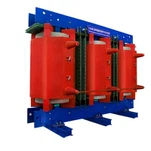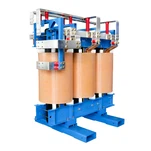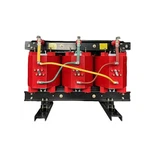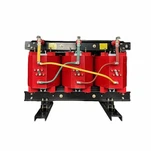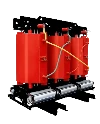


Dry-type transformers are great, but they're not perfect. Here are the main problems you should know about:
Lower Power Capacity:
Dry-type transformers usually can't handle as high voltage and current levels as oil-filled ones. They're typically limited to medium voltages (below ~36 kV).
Size and Weight:
They're bulkier and heavier for the same power rating compared to oil-filled transformers, which can be a big issue for space-constrained installations.
Cooling Limitations:
Since they rely on air for cooling (instead of oil), they can overheat more easily under heavy loads or in hot environments unless special ventilation is provided.
Higher Cost (upfront):
They cost more to manufacture and buy initially, mainly because of the special insulation materials and extra structural support needed.
Noise:
Dry-type transformers can be noisier than oil-filled transformers, especially at higher loads, due to vibrations in the coils.
Limited Overload Capability:
They tolerate overloads for less time because there's no liquid coolant to absorb and distribute the heat.
Moisture Sensitivity (some types):
If they're not properly sealed (like open ventilated designs), moisture can degrade their insulation over time, though cast resin types resist this better.
In short: dry-type transformers trade off higher safety and lower maintenance for lower power handling, bigger size, and higher initial cost.