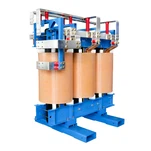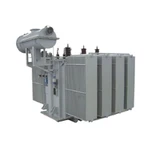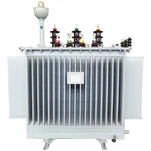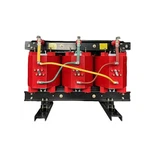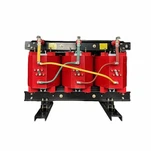


Transformer bushings are insulating devices used to guide or introduce current into or out of a transformer. The primary function of bushings is to bring high-voltage current from inside the transformer to the outside without causing discharge or short circuits, while also providing isolation and protection. Below are some basic aspects of transformer bushings:
1. Basic Structure of Bushings
Conductor: The conductive part is usually made of copper or aluminum and is used to conduct current.
Insulation: Insulation materials typically include paper, oil, epoxy resin, ceramics, or composite materials. This part is responsible for isolating the high-voltage current from the transformer casing and the ground.
Housing: The housing is typically made of ceramic or composite materials and is used to protect the internal structure and provide mechanical strength.
2. Classification of Bushings
By Voltage Level:
Low-Voltage Bushings: Used on the low-voltage side, typically for voltages below 1kV.
High-Voltage Bushings: Used on the high-voltage side for voltages above 1kV, such as 10kV, 35kV, 110kV, or even higher.
By Insulation Material:
Oil-Impregnated Paper Bushings: Traditional type using oil-impregnated paper as the insulation material, widely used in medium and high-voltage transformers.
Resin-Insulated Bushings: Use epoxy resin materials, characterized by being lightweight and resistant to pollution.
Gas-Insulated Bushings: Use sulfur hexafluoride (SF6) gas as the insulating medium, mainly used in high-voltage transmission systems.
3. Functions of Bushings
Electrical Isolation: The insulation part of the bushing effectively isolates the high-voltage part of the transformer from external equipment and the ground, preventing current leakage.
Mechanical Protection: The bushing structure is robust, capable of withstanding mechanical impacts, vibrations, and other external forces, thereby protecting the internal conductor.
Environmental Resistance: High-quality bushings can operate stably under harsh environmental conditions, such as high temperatures, humidity, and pollution.
4. Maintenance of Bushings
Regular Inspection: Inspect the bushing surface for cracks, discoloration, or other damage.
Leakage Check: For oil-impregnated paper bushings, regularly check for oil leakage.
Electrical Testing: Evaluate the electrical performance of the bushings through dielectric strength tests, insulation resistance tests, etc.
5. Common Issues
Partial Discharge: Insulation inside or outside the bushing may cause partial discharge under high voltage, which can lead to insulation damage over time.
Leakage: Bushings may experience oil or gas leakage due to aging or installation issues, affecting insulation performance.
Surface Contamination: Especially in areas with severe industrial pollution, conductive dust may accumulate on the bushing surface, increasing the risk of breakdown.
As a critical component of transformers, the correct selection, installation, and maintenance of bushings are essential for the safe and stable operation of transformers.