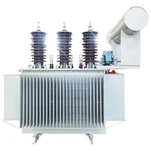


The conservator in an oil-type transformer is an essential component designed to manage the thermal expansion and contraction of the insulating oil within the transformer. Here's a detailed overview:
Function of the Conservator
Oil Volume Compensation:
The conservator serves as a reservoir for the insulating oil, allowing for the expansion and contraction of the oil as it heats up and cools down during the transformer's operation.
When the transformer load increases, the oil heats up and expands. The excess oil flows into the conservator. Conversely, when the oil cools and contracts, the conservator replenishes the oil in the main tank.
Protection from Contamination:
The conservator is usually equipped with a breather that contains silica gel or another desiccant to absorb moisture from the air entering the conservator. This prevents moisture from contaminating the insulating oil, which could degrade its insulating properties and lead to transformer failure.
Components of the Conservator
Conservator Tank:
This is an auxiliary tank mounted above the main transformer tank. It is connected to the main tank via a pipe or series of pipes.
The tank usually has a cylindrical shape and is partially filled with oil, leaving space for the oil to expand.
Breather:
The breather is connected to the conservator and contains silica gel to absorb moisture from the air that enters the tank as the oil level changes.
The silica gel changes color (typically from blue to pink) when it becomes saturated with moisture, indicating the need for replacement or regeneration.
Oil Level Indicator:
The conservator is equipped with an oil level indicator (also known as a gauge), which shows the current oil level inside the tank. This helps operators monitor the oil levels and detect any leaks or issues.
Air Release Valve:
Some conservators have an air release valve to expel trapped air that might enter the system, ensuring the proper functioning of the oil insulation.
Types of Conservators
Conventional Conservator:
A standard type where the air above the oil is in direct contact with the oil. This type requires regular maintenance of the breather to ensure the oil does not absorb moisture from the air.
Hermetically Sealed Conservator:
This type uses a rubber bladder or diaphragm inside the conservator tank. The oil is in contact with the bladder, and the air is outside it. This design prevents direct contact between the oil and air, reducing the risk of moisture contamination.
Advantages of Using a Conservator
Temperature Regulation: Helps in accommodating the expansion and contraction of oil due to temperature variations, preventing excessive pressure inside the transformer.
Reduced Risk of Oil Degradation: The use of a breather or sealed system minimizes the risk of moisture ingress, which could otherwise degrade the oil.
Monitoring and Maintenance: The oil level indicator and the color-changing breather provide visual cues for maintenance, ensuring the transformer operates efficiently.
Maintenance Considerations
Regular Breather Inspection: The silica gel in the breather should be regularly inspected and replaced or regenerated to maintain its effectiveness.
Oil Level Monitoring: Operators should routinely check the oil level indicator to ensure the oil is at an appropriate level. Low oil levels could indicate leaks or other issues.
Air Release Checks: Ensuring that air is not trapped in the system is crucial for maintaining proper insulation and avoiding potential failures.
In summary, the conservator in an oil-type transformer plays a crucial role in managing the thermal expansion of the oil, protecting the transformer from contamination, and ensuring long-term reliability. Proper maintenance of the conservator and its components is essential for the safe operation of the transformer.