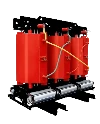


Transformer impedance is a critical parameter in the design and performance of distribution transformers. It regulates voltage, limits short-circuit currents, and ensures the power system's efficiency.
What is Transformer Impedance?
Impedance, expressed as a percentage, represents the total opposition a transformer provides to the flow of alternating current. It is the combination of resistance and reactance within the windings. The impedance value influences voltage regulation and short-circuit current levels in the system.
Why is Impedance Important?
- Voltage Regulation: A higher impedance results in a greater voltage drop under load, affecting power supply stability. Proper impedance selection ensures optimal voltage performance for end users.
- Short-Circuit Protection: Transformer impedance helps limit short-circuit currents. A well-designed impedance level reduces the stress on electrical components and enhances system reliability.
- System Coordination: The impedance value must align with network requirements to ensure compatibility with protective devices and prevent electrical disturbances.
Typical Impedance Values
The impedance of a distribution transformer typically ranges between 4% and 8%, depending on the voltage level and design specifications. Custom solutions may require adjustments to meet specific grid conditions.
Optimizing Transformer Selection
Choosing the right transformer impedance is essential for balancing efficiency, protection, and voltage stability. Jiangsu Ryan Electric offers advanced distribution transformers tailored to diverse industry needs, ensuring compliance with international standards such as IEC and IEEE.
For more information on optimizing your transformer selection, feel free to contact our team of experts: ryancustomerinquiry@redq.cc