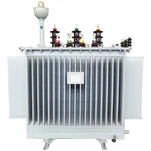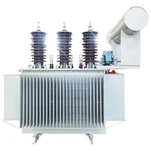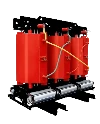


Transformers are vital components in electrical power systems, enabling voltage regulation and power distribution across long distances. One critical element within many transformers is the insulating oil. Let's dive into the importance of transformer oil, its types, and its key functions.
What is Transformer Oil?
Transformer oil, also known as insulating oil, is a highly refined mineral oil that remains stable at high temperatures. It serves multiple essential roles within the transformer, ensuring both electrical and mechanical reliability.
Key Functions of Transformer Oil
Insulation: The oil prevents electrical discharge between different components within the transformer, such as the windings and core.
Cooling: It dissipates the heat generated during the operation, maintaining the transformer's temperature within safe limits.
Arc Suppression: During switch operations or short circuits, the oil helps quench electrical arcs.
Moisture Protection: Transformer oil acts as a barrier against moisture, which can compromise the insulation properties of the windings.
Types of Transformer Oil
Mineral Oil: Derived from crude petroleum, mineral oil is the most commonly used type due to its cost-effectiveness and good performance.
Naphthenic Oil: Known for better low-temperature performance and oxidation stability.
Paraffinic Oil: Offers higher oxidation resistance but may form more sludge over time.
Synthetic Oils: These include silicone-based or ester-based oils, offering better fire resistance and biodegradability.
Silicone Oil: Flame-retardant and stable at high temperatures.
Natural and Synthetic Esters: Eco-friendly alternatives with excellent fire resistance.
Biodegradable Oils: Made from renewable sources like vegetable oils, they're increasingly popular for their environmental benefits.
Testing and Maintenance
Transformer oil requires periodic testing to ensure its performance remains optimal. Common tests include:
Dielectric Strength Test: Measures the oil's ability to withstand electrical stress.
Moisture Content Test: Ensures minimal water content to prevent insulation failure.
Acid Number Test: Determines the degree of oil degradation.
Dissolved Gas Analysis (DGA): Detects gases formed due to insulation breakdown, indicating potential faults.
Conclusion
Transformer oil is an indispensable part of oil-filled transformers, contributing to their efficient and safe operation. Selecting the right type of oil and ensuring regular maintenance can significantly extend the life of the transformer while preventing costly failures. As technology evolves, the rise of biodegradable and synthetic oils promises a more sustainable future without compromising performance.
Whether you're in the power industry or simply curious about how transformers work, understanding the role of transformer oil highlights the impressive engineering behind our electric grids.