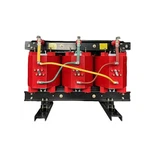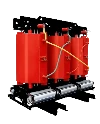


Current transformers (CTs) and potential transformers (PTs) in a substation can typically be identified by their physical characteristics, labels, and their locations within the substation. Here are some ways to identify CTs and PTs in a substation:
1. Physical Characteristics:
CTs (Current Transformers): CTs are typically larger in size compared to PTs. They usually have a circular opening where the current-carrying conductor passes through.
PTs (Potential Transformers): PTs are generally smaller in size compared to CTs. They often have multiple terminals for connections.
2. Labels and Markings:
- CTs and PTs are usually labeled with their ratings, ratios, manufacturer details, and other relevant information. Look for labels or nameplates attached to the devices.
3. Location within the Substation:
- CTs are usually installed on the line side of the protection relays or meters, where they can measure the current flowing through the conductors.
- PTs are typically placed on the bus side of the protection relays or meters, where they can step down the voltage to a level that can be accurately measured.
4. Wiring and Connections:
- CTs are connected in series with the circuit conductor whose current is to be measured.
- PTs are connected in parallel with the circuit to be measured, allowing the voltage to be stepped down for measurement purposes.
5. Consulting Substation Diagrams:
- Substation diagrams or schematics often show the locations and connections of CTs and PTs. Refer to these diagrams for detailed information.
6. Consulting Substation Maintenance Documents:
- Maintenance manuals or documents for the substation equipment may also provide information on the location and identification of CTs and PTs.