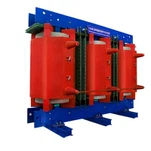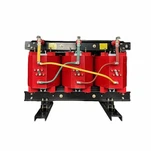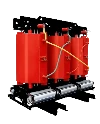


Temperature monitoring in a dry-type transformer ensures safe operation by preventing overheating, which can damage insulation, reduce efficiency, and shorten the transformer's lifespan. Here's how temperature monitoring typically works:
1. Key Components of Temperature Monitoring
Temperature Sensors:
PT100 or Thermistors (e.g., PTC, NTC): These sensors are embedded in the transformer windings or core to measure temperature directly.
Infrared Sensors: In some cases, external sensors measure the surface temperature of components.
Temperature Relay or Controller:
A device that receives signals from the sensors and activates alarms or cooling systems when thresholds are exceeded.
Cooling System (Optional):
Fans or blowers that may be automatically triggered to dissipate heat.
Display Panel:
A control panel to display real-time temperatures and alert statuses.
2. Operating Principle
Sensing Temperature:
Sensors (e.g., PT100) installed in or near windings measure the actual temperature.
The resistance of these sensors changes with temperature, which is translated into a temperature reading.
Signal Transmission:
The sensor sends the temperature data to the monitoring device (relay or controller).
The data is processed to determine if the temperature is within safe limits.
Threshold-Based Actions:
Warning Stage: If the temperature exceeds a predefined limit, a warning signal or light is activated.
Cooling Activation: At higher thresholds, cooling systems like fans may start automatically.
Tripping: At critical temperature levels, the transformer may shut down to prevent damage.
Temperature Display:
Real-time temperatures are displayed on a panel, allowing operators to monitor conditions.
3. Common Monitoring Methods
Winding Temperature Monitors (WTMs):
Measure and monitor winding temperatures directly, often including programmable alarms and outputs.
Core Temperature Monitoring:
Focuses on core hotspots to prevent localized overheating.
Ambient Temperature Monitoring:
Ensures external environmental conditions are considered in operational decisions.
4. Advanced Features
Data Logging:
Modern systems record temperature trends over time for analysis and predictive maintenance.
Remote Monitoring:
Systems with IoT capabilities allow temperature monitoring and control from remote locations.
Self-Diagnostics:
Some systems include features to diagnose sensor or system faults.
5. Importance of Temperature Monitoring
Protects the insulation from thermal degradation.
Prevents transformer failures by triggering alarms or protective actions.
Improves efficiency and extends the transformer's operational life.
Enhances safety in critical applications.