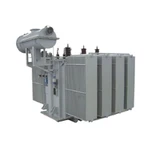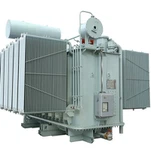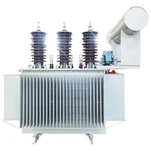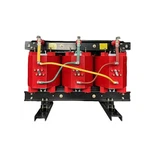


Cooling fans in a dry-type transformer enhance heat dissipation, ensuring the transformer operates within safe temperature limits and maintains efficiency. Here's a breakdown of how cooling fans work in dry-type transformers:
1. Purpose of Cooling Fans
Dry-type transformers rely on natural air circulation to dissipate heat generated during operation. However, in high-load or high-temperature conditions, natural cooling may not suffice.
Cooling fans provide forced air circulation, increasing the rate of heat transfer from the transformer windings and core to the surrounding air.
2. Components of the Cooling Fan System
Fans:
Axial or centrifugal fans are mounted near the transformer to direct airflow over the windings or the enclosure.
Temperature Sensors:
PT100 sensors, thermistors, or other temperature-sensing devices monitor the transformer's operating temperature.
Fan Controller/Relay:
A control unit receives input from temperature sensors and triggers the fans when temperature thresholds are exceeded.
Control Panel:
Provides manual and automatic control options for fan operation, along with fault indication.
3. Working Principle
Monitoring Temperature:
Temperature sensors embedded in the transformer windings or core detect rising temperatures as the transformer load increases.
Fan Activation:
When the temperature exceeds a predefined setpoint (e.g., 80°C), the controller automatically activates the fans.
Fans force air across the transformer windings or surface, accelerating heat dissipation.
Cooling Process:
The forced air cools the windings and reduces their temperature.
Heat from the transformer is transferred to the surrounding environment more efficiently than with natural convection.
Fan Deactivation:
Once the temperature drops below a lower threshold, the controller switches the fans off, conserving energy.
4. Operation Modes
Automatic Mode:
Fans operate only when temperature thresholds are exceeded.
Manual Mode:
Fans can be turned on or off manually, typically used during testing or maintenance.
Continuous Mode:
Fans run continuously, often in transformers operating under constant heavy loads or in high-temperature environments.
5. Advanced Features
Variable Speed Control:
Some systems adjust fan speed based on the temperature rise, optimizing energy use.
Redundancy:
Multiple fans may be installed to ensure continuous operation in case of a fan failure.
Remote Monitoring:
Fans integrated into IoT-based systems allow monitoring and control from remote locations.
6. Benefits of Cooling Fans
Prevents overheating, protecting insulation and extending transformer life.
Enables higher loading without compromising safety or performance.
Enhances reliability in harsh or high-temperature environments.