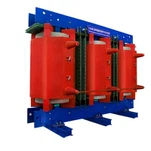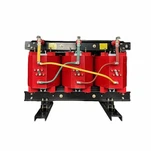


Installing an oil-immersed transformer requires careful handling, adherence to safety protocols, and proper preparation to ensure efficient operation and longevity. Here's a step-by-step guide:
1. Pre-Installation Preparation
Inspect the Transformer:
Check for Damage: Inspect for dents, oil leaks, or missing components.
Verify Specifications: Confirm the transformer's nameplate details match your requirements (voltage, current, power rating).
Oil Level: Check the oil level and ensure it meets the manufacturer's recommendations.
Prepare the Installation Site:
Foundation:
Use a level, robust, and vibration-free concrete base to support the transformer.
Ensure the foundation can bear the transformer's weight.
Drainage:
Provide a containment system or oil pit to collect oil in case of leaks or spills.
Clearance:
Maintain adequate space around the transformer for cooling, inspection, and maintenance.
Ventilation:
Ensure good airflow around the transformer to dissipate heat.
2. Positioning the Transformer
Transporting:
Use cranes, rollers, or forklifts with appropriate lifting points as indicated by the manufacturer.
Avoid tilting the transformer more than the recommended angle.
Mounting:
Place the transformer on vibration-dampening pads if required.
Bolt the transformer to the foundation or mounting platform if specified.
3. Electrical Connections
Grounding:
Connect the transformer's grounding terminal to the site's grounding system.
Ensure the tank and core are properly grounded.
Primary and Secondary Connections:
Primary Side:
Connect high-voltage input cables to the primary terminals.
Ensure bushings and connections are clean and tight.
Secondary Side:
Connect low-voltage output cables to the secondary terminals.
Confirm correct torque on terminals.
Cable Supports:
Use strain reliefs to prevent stress on the terminals.
4. Filling or Topping Up Oil (If Required)
Check Oil Type: Use the transformer manufacturer's recommended dielectric oil.
Filling Under Vacuum (if specified):
Use a vacuum pump to remove air from the tank and ensure oil fully penetrates windings and core.
Monitor Oil Level:
Fill the oil to the correct level marked on the gauge.
Dehydration Process:
If necessary, heat and filter the oil to remove moisture before filling.
5. Initial Testing and Safety Checks
Insulation Resistance Testing: Use a megohmmeter to test insulation resistance between windings and ground.
Polarity and Ratio Test: Verify the transformer's polarity and turns ratio.
Connection Tightness: Recheck all electrical and mechanical connections.
6. Energizing the Transformer
No-Load Test:
Energize the transformer without any load.
Monitor for abnormal sounds, vibrations, or overheating.
Measure primary and secondary voltages to ensure proper operation.
Load Test:
Gradually connect the load and monitor performance parameters like voltage, current, oil temperature, and pressure.
7. Auxiliary System Setup
Cooling System:
Connect and test cooling devices such as radiators, fans, or oil pumps if applicable.
Temperature Monitoring:
Ensure temperature gauges, alarms, and relays are functional.
Breather and Conservator:
Install and check silica gel breathers for proper function.
Ensure the conservator tank is operational and properly filled.
8. Final Inspection
Confirm that protective devices like Buchholz relays, pressure relief valves, and surge arresters are functioning.
Verify labels, warning signs, and safety clearances.
9. Maintenance Plan
Schedule regular checks for oil levels, temperatures, and insulation resistance.
Replace silica gel in the breather as needed.
Periodically test protective devices.