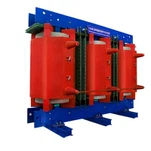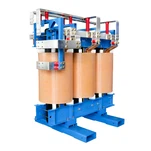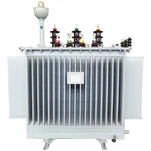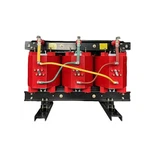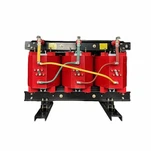


An oil-filled transformer, also known as a liquid-filled transformer, works by utilizing oil as both an electrical insulator and a coolant. Here's a general overview of how an oil-filled transformer operates:

Core and Windings
The transformer consists of a core made of laminated steel and two sets of windings-an inner primary winding and an outer secondary winding. The windings are typically made of copper or aluminum and are insulated from each other and the core.
Oil Insulation
The transformer is immersed in a special type of oil known as transformer oil or insulating oil. The oil serves as an electrical insulator, preventing the windings and core from making direct contact with each other and forming short circuits.


Electrical Transfer
The primary winding is connected to a power source, while the secondary winding is connected to the load or electrical system that requires the transformed voltage. When an alternating current (AC) flows through the primary winding, it creates a magnetic field in the core.
Magnetic Induction
The magnetic field induced by the primary winding in the core causes a voltage to be induced in the secondary winding. The transformer operates based on the principle of electromagnetic induction, where changes in the magnetic field induce voltage in nearby conductors (the windings).

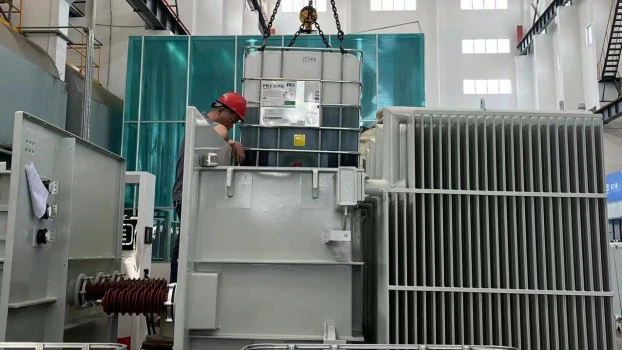
Cooling
As the transformer operates, it generates heat due to electrical losses and magnetic core losses. The transformer oil plays a crucial role in dissipating this heat and keeping the temperature within acceptable limits. The oil absorbs heat from the windings and transfers it to the transformer tank, where it dissipates into the surrounding environment through convection and radiation.
Insulating Properties
Apart from providing electrical insulation, the transformer oil also helps to suppress arcing and corona discharges that can occur within the transformer. These phenomena can damage the insulation and affect the transformer's performance.

Overall, the oil-filled transformer ensures efficient electrical transfer, provides insulation, and facilitates cooling to ensure the reliable and safe operation of the electrical system.