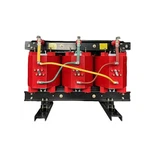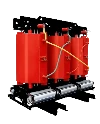


Pad-mounted transformers and substation transformers are two types of electrical transformers that serve different purposes and are designed for different installation locations. Here's an overview of the key differences between them:
1. Installation Location
-
Pad-mounted transformers: These transformers are designed to be installed at ground level, often on a concrete pad or platform. They are typically found in residential, commercial, or industrial areas, where they provide local power distribution.
-
Substation transformers: These transformers are installed within a power substation, which is a dedicated facility that receives high-voltage electricity from transmission lines and converts it to lower voltages for distribution. Substations are usually located on the outskirts of cities or in rural areas.
2. Size and Capacity
-
Pad-mounted transformers: They are generally smaller in size and have lower capacity compared to substation transformers. They are designed to handle lower voltage levels, usually up to a few thousand volts.
-
Substation transformers: These transformers are much larger and have higher capacity. They are capable of handling high-voltage electricity, often ranging from tens of thousands to hundreds of thousands of volts.
3. Purpose and Function
-
Pad-mounted transformers: They are primarily used for local distribution of power to homes, businesses, and other smaller loads. They step down the voltage from the distribution lines to a level suitable for consumption by end-users.
-
Substation transformers: They play a crucial role in the transmission and distribution of electricity. They step down the voltage received from the transmission lines to a level appropriate for distribution to the local power grid. Substation transformers also provide voltage regulation and ensure the efficient flow of electricity through the grid.
4. Design and Features
-
Pad-mounted transformers: These transformers are designed to be compact and aesthetically pleasing since they are often located in residential or commercial areas. They may have features such as tamper-resistant enclosures and noise reduction measures.
-
Substation transformers: They are built with robust construction to withstand high voltages, harsh environmental conditions, and heavy electrical loads. They may include additional features like cooling systems, monitoring equipment, and protective devices to ensure reliable operation within the substation.
In summary, pad-mounted transformers are smaller, lower-capacity transformers installed at ground level for local power distribution, while substation transformers are larger, higher-capacity transformers installed within dedicated power substations to handle high-voltage transmission and distribution.