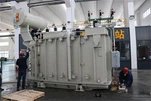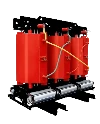


Insulation in transformers refers to the materials and systems used to separate conductive components, such as windings and cores, to prevent unintended electrical contact. It serves two primary purposes:
Electrical Insulation: To block the flow of current between conductive parts, ensuring that electricity flows only through the intended paths.
Thermal Insulation: To withstand and dissipate heat generated during operation, preventing overheating and damage to the transformer.
Without proper insulation, transformers would suffer from short circuits, energy losses, and potential failures, leading to costly repairs or even hazardous situations.
Types of Insulation in Transformers
Transformer insulation can be categorized into two main types:
1. Solid Insulation
Solid insulation consists of non-conductive materials that physically separate conductive components. Common materials include:
Paper and Pressboard: These cellulose-based materials are widely used due to their excellent dielectric strength and thermal stability. They are often impregnated with oil to enhance their performance.
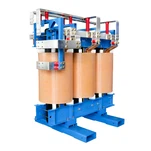
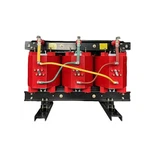
Epoxy Resin: Used in dry-type transformers, epoxy resin provides robust insulation and is resistant to moisture, chemicals, and mechanical stress.
Mica: Known for its high thermal and electrical resistance, mica is often used in high-temperature applications.
Fiberglass: This material offers strong mechanical and thermal properties, making it suitable for demanding environments.
2. Liquid Insulation
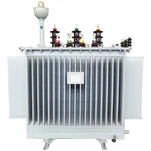
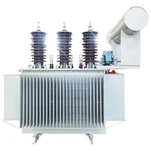
Liquid insulation, typically in the form of oil, is used in oil-immersed transformers. The oil serves multiple purposes:
Electrical Insulation: It acts as a dielectric medium, preventing arcing between conductive parts.
Cooling: It absorbs and dissipates heat generated by the transformer windings and core.
Protection: It helps protect solid insulation materials from moisture and contaminants.
Common types of transformer oil include mineral oil, silicone oil, and synthetic esters, each with specific properties suited to different applications.
Key Functions of Insulation in Transformers
Preventing Electrical Breakdown: Insulation ensures that high-voltage windings do not come into contact with low-voltage windings or the transformer core, preventing short circuits.
Managing Heat Dissipation: Insulation materials help transfer heat away from the windings and core, maintaining safe operating temperatures.
Protecting Against Environmental Factors: Insulation shields the transformer from moisture, dust, and other contaminants that could degrade performance.
Enhancing Durability: High-quality insulation materials extend the lifespan of the transformer by reducing wear and tear caused by electrical and thermal stress.
Challenges in Transformer Insulation
While insulation is critical, it is not immune to challenges:
Aging: Over time, insulation materials degrade due to thermal, electrical, and mechanical stress, reducing their effectiveness.
Moisture Ingress: Water can compromise the dielectric strength of insulation, leading to failures.
Contamination: Dust, dirt, and chemical contaminants can weaken insulation properties.
Partial Discharge: Small electrical discharges within the insulation can cause gradual deterioration, eventually leading to failure.
To address these challenges, regular maintenance, monitoring, and testing (e.g., insulation resistance tests, dissolved gas analysis) are essential.