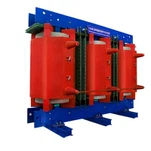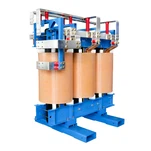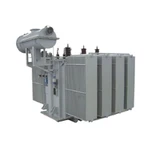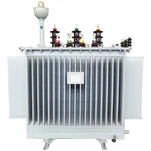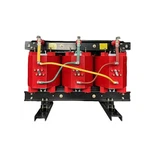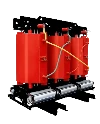


A distribution transformer is an essential component of electrical power systems, responsible for converting high-voltage electricity to lower voltages suitable for use in homes, businesses, and industries. Let's break down the key points about distribution transformers and their differences from power transformers, as well as their various classifications.
1. **Definition of Distribution Transformer**:
- A distribution transformer is a static electrical appliance that transmits AC electrical energy by converting AC voltage and current according to the law of electromagnetic induction in a power distribution system.
- In essence, it transforms high-voltage electricity from the transmission lines into lower voltages suitable for use.
2. **Difference Between Distribution Transformer and Power Transformer**:
- Distribution transformers are primarily used in distribution networks to provide power to various users, typically operating at voltages up to 66 kV and stepping down to lower voltages like 380/220 V, 3 kV, 6 kV, or 10 kV.
- Power transformers, on the other hand, are used for transmitting electrical energy between power grids of different voltage levels, such as between regional substations operating at 500 kV and 220 kV.
3. **Classification of Distribution Transformers**:
- **According to the Number of Phases**:
- Single-phase transformers: For single-phase loads and in three-phase transformer configurations.
- Three-phase transformers: Used in three-phase systems for voltage transformation.
- **According to Cooling Method**:
- Dry-type transformers: Air-cooled, suitable for small capacity applications like local lighting and electronic circuits.
- Oil-immersed transformers: Rely on oil as a cooling medium, with variations like self-cooling, air cooling, cooling, forced oil circulation, etc.
- **According to Use**:
- Power transformers: For voltage transformation in transmission and distribution systems.
- Instrument transformers: Voltage and current transformers for measuring instruments and relay protection devices.
- Test transformers: Used for generating high voltages and conducting tests on electrical equipment.
- Special transformers: Like furnace transformers, rectifier transformers, and regulating transformers.
- **According to Winding Form**:
- Double-winding transformers: Connect two voltage levels in the power system.
- Three-winding transformers: Found in regional power system substations, connecting three voltage levels.
- Autotransformers: Used for connecting power systems with different voltages or for step-up/step-down purposes.
- **According to the Form of Iron Core**:
- Core transformers: Power transformers for high voltage applications.
- Shell transformers: Specialized for high current applications like electric furnaces or for electronic instruments like TVs and radios.
These classifications help in selecting the appropriate transformer for specific applications, taking into account factors like voltage requirements, cooling methods, and usage scenarios.