

What happens when a transformer blows?
Inside the Transformer
A:Internal Fault or Overload
An overload, insulation failure, lightning surge, or physical impact can trigger a short circuit or electrical arcing within the transformer.This leads to a sudden buildup of high temperature and pressure.
B:Oil or Gas Reaction (if oil-filled)
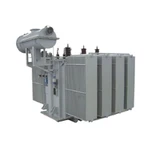
In oil-filled transformers, the heat turns the insulating oil into vapor, causing pressure to rise. This may cause the tank to burst, discharging oil and gases-potentially with explosive force.
C:Windings & Core Damage
The tank can rupture under pressure, releasing oil and gases, sometimes violently.
The heat and magnetic forces can deform or damage the steel core.
The outcome is usually complete failure, leaving the transformer inoperable.
What You See or Hear
A pressure vessel ruptured or circuits arced, leading to a powerful explosion.
A sudden bright light caused by an electrical arc from failed insulation.
A potential fire hazard originating from the combustion of insulating materials or lubricants.
A power outage occurs when the transformer fails, interrupting the circuit it supplies.
Safety & Aftermath
Protective relays activate circuit breakers or fuses to de-energize the faulted circuit, thereby containing the damage and safeguarding the broader network.
Emergency response teams must be deployed to mitigate fires and contain hazardous material spills.
Repair or replacement of the transformer by the utility is a process that can take anywhere from hours to several days, largely dependent on the unit's size and accessibility.