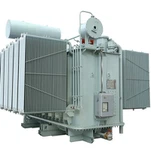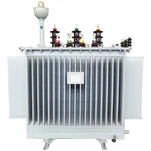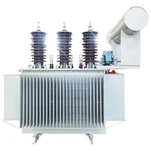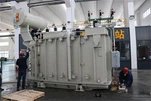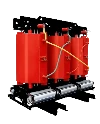


Transformer oil, also known as insulating oil, plays several crucial functions in electrical transformers. The three primary functions of transformer oil are:
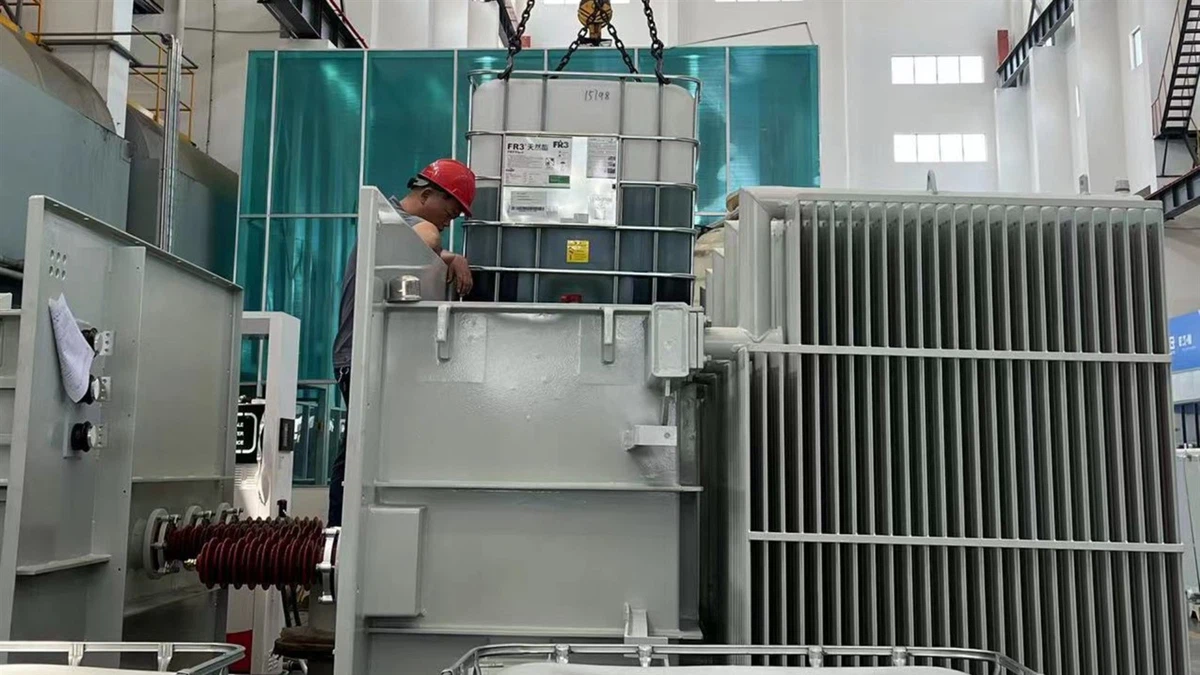
-
Insulation: Transformer oil serves as an electrical insulator, preventing the flow of electrical current between the live parts of the transformer and the grounded components. It has high dielectric strength, meaning it can withstand high voltages without breaking down. By effectively insulating the transformer's conductive components, the oil helps maintain proper electrical isolation and prevents short circuits or electrical arcing.
-
Cooling: Transformers generate heat during operation due to electrical losses and magnetic flux. Transformer oil acts as a cooling agent, dissipating the heat produced and maintaining the temperature within optimal limits. The oil absorbs heat from the transformer windings and other hot parts, transfers it to the transformer tank, and then dissipates it to the surrounding environment through natural convection or forced cooling systems. Efficient cooling helps prevent overheating, which can damage the transformer's insulation and reduce its lifespan.
-
Arc suppression: In the event of an electrical fault or internal discharge within the transformer, transformer oil plays a vital role in suppressing and extinguishing arcs. During a fault, the oil vaporizes around the arc, creating a gas bubble that displaces the oxygen needed to sustain the arc. This process, known as arc quenching, helps protect the transformer from severe damage and prevents catastrophic failures. The oil's chemical composition and specific additives enhance its arc suppression properties.
These functions collectively contribute to the reliable and safe operation of electrical transformers, ensuring the insulation integrity, temperature control, and protection against electrical faults.