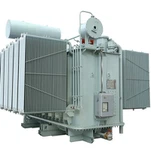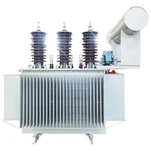


Pad-mounted transformers are generally considered safe when they are installed and maintained properly. Pad-mounted transformers are outdoor electrical devices that are commonly used to step down high-voltage electricity to a lower voltage suitable for distribution to homes, businesses, and other facilities.

Here are some reasons why pad-mounted transformers are considered safe:
-
Enclosed Design: Pad-mounted transformers are typically housed in a weatherproof and fire-resistant enclosure, which helps protect the electrical components from environmental factors such as rain, snow, and dust. The enclosure also provides a barrier against accidental contact with live parts.
-
Grounding: Pad-mounted transformers are grounded to prevent the buildup of dangerous electrical voltages. The grounding system directs any fault currents safely into the ground, reducing the risk of electrical shock or fire.
-
Safety Features: Pad-mounted transformers are equipped with various safety features such as overcurrent protection devices, surge arresters, and temperature sensors. These features help prevent potential issues like overloading, voltage surges, and overheating, enhancing the overall safety of the transformer.
-
Installation Codes and Standards: Pad-mounted transformers must be installed in accordance with electrical codes and standards, which specify the requirements for their safe installation, grounding, and protection. Compliance with these regulations helps ensure the safe operation of the transformers.
However, it's important to note that like any electrical equipment, pad-mounted transformers can pose risks if they are mishandled, damaged, or not properly maintained. It is crucial to follow safety guidelines, conduct regular inspections, and address any issues promptly to maintain their safety.